THE ADVENTURE COLLECTIVE® · Independent discovery and booking for outdoor travel

Custom treks through Annapurna, Langtang, Everest and Upper Mustang cover a range of terrain, culture and altitude. This practical guide explains what to expect on day hikes and multi-day routes, plus essential planning tips.
Custom treks through Annapurna, Langtang, Everest and Upper Mustang cover a range of terrain, culture and altitude. This practical guide explains what to expect on day hikes and multi-day routes, plus essential planning tips.
You step off the jeep into high, dry air and the mountains respond—rock faces and glaciers shifting light like a slow, deliberate tide. Trails rise and breathe, carrying yak bells, prayer flags and the steady chatter of teahouses as you move between forests, moraine scars and open ridgelines.
Verified experiences and guided adventures in the surrounding area.
Operated by Trekking Nepal with Raju - certified & professional guide · Pokhara, Gandaki Province
You step off the jeep into high, dry air and the mountains respond—rock faces and glaciers shifting light like a slow, deliberate tide. Trails rise and breathe, carrying yak bells, prayer flags and the steady chatter of teahouses as you move between forests, moraine scars and open ridgelines.
These routes thread the central Himalaya: Annapurna’s terraced valleys and tropical foothills; Langtang’s glacial bowls carved from uplifted granite; Everest’s high, wind-scoured approach to the Khumbu icefall; and Upper Mustang’s rain-shadow canyons where Tibetan culture and arid geology meet. Historically these paths were trade arteries—salt and wool moving between Tibet and Nepal—and today local Gurung, Sherpa and Thakali communities keep that corridor of hospitality alive in small lodges.
Expect changing terrain: muddy, root-strewn forest in lower reaches, then steep stone staircases and scree at higher altitudes. Weather can flip quickly—sunny, then driven snow or drizzle—so pace for altitude: acclimatize, add a rest day above 3,000–4,000 m, and watch for acute symptoms.
Practicalities: permits vary by region (ACAP for Annapurna, TIMS and Sagarmatha for Everest, restricted-area permits for Upper Mustang); hire a registered guide for safety and local navigation. Typical itineraries range from single-day ridge walks to multi-day, multi-week treks—most operators offer custom plans to match fitness and timeframe. Bring layered clothing, reliable boots, and plan water purification and waste management with the group. With preparation the trails deliver honest, elemental mountain time—challenging, communal, and quietly transformative.
moderate.
2 hours–14 days.
Suitable for travelers with moderate fitness; endurance for long days and proper acclimatization required for high-altitude routes
Independent trekking is possible in some Annapurna trails with permits, but guides are strongly recommended for route-finding, altitude safety and managing permits—Upper Mustang always requires organized permission and often a guide.
Spring (Mar–May) and autumn (Sep–Nov) offer the most stable weather and clear views; monsoon summer brings landslides and damp trails, while winter is cold and better for experienced, well-equipped trekkers.
Permits vary: Annapurna requires ACAP and TIMS, Everest requires Sagarmatha National Park permit and TIMS, and Upper Mustang requires a special restricted-area permit and often a fixed itinerary and licensed guide.
Symptoms include headache, nausea, fatigue and breathlessness; management is rest, halting ascent, hydration, and descent if symptoms worsen—carry altitude medication if advised by a physician.
These trails were historic trade routes linking Nepal and Tibet; settlements here retain strong Tibetan-influenced culture and centuries-old salt-trading traditions.
Permit fees and local taxes fund conservation and community projects; practice leave-no-trace, pack out waste and use established teahouses to limit impact.
Trekking Nepal with Raju - certified & professional guide operates guided outdoor trips and adventures with an emphasis on safety, stewardship, and memorable experiences.
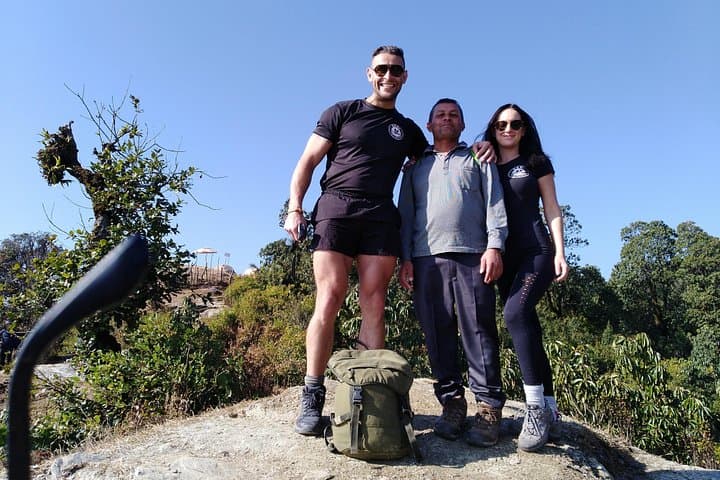
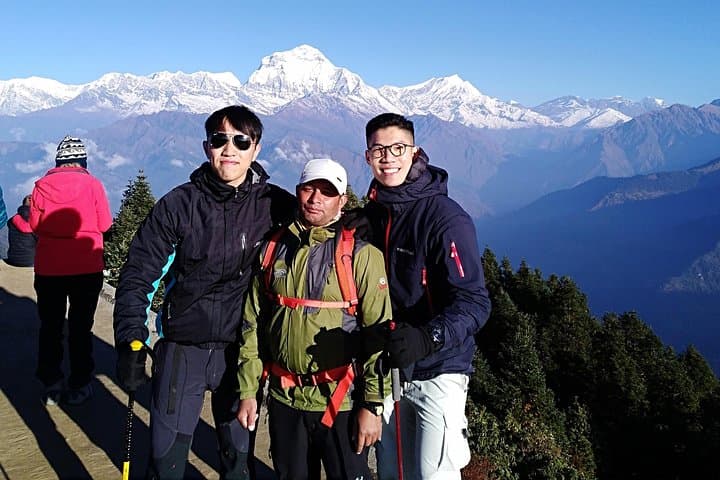
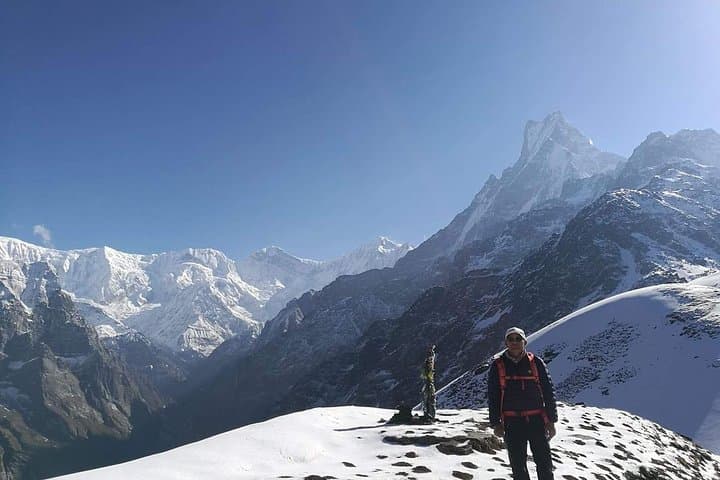
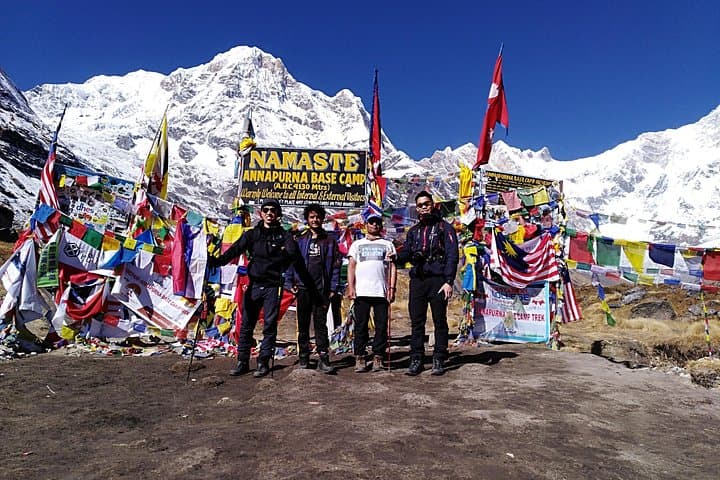
You step off the jeep into high, dry air and the mountains respond—rock faces and glaciers shifting light like a slow, deliberate tide. Trails rise and breathe, carrying yak bells, prayer flags and the steady chatter of teahouses as you move between forests, moraine scars and open ridgelines.
You step off the jeep into high, dry air and the mountains respond—rock faces and glaciers shifting light like a slow, deliberate tide. Trails rise and breathe, carrying yak bells, prayer flags and the steady chatter of teahouses as you move between forests, moraine scars and open ridgelines.
These routes thread the central Himalaya: Annapurna’s terraced valleys and tropical foothills; Langtang’s glacial bowls carved from uplifted granite; Everest’s high, wind-scoured approach to the Khumbu icefall; and Upper Mustang’s rain-shadow canyons where Tibetan culture and arid geology meet. Historically these paths were trade arteries—salt and wool moving between Tibet and Nepal—and today local Gurung, Sherpa and Thakali communities keep that corridor of hospitality alive in small lodges.
Expect changing terrain: muddy, root-strewn forest in lower reaches, then steep stone staircases and scree at higher altitudes. Weather can flip quickly—sunny, then driven snow or drizzle—so pace for altitude: acclimatize, add a rest day above 3,000–4,000 m, and watch for acute symptoms.
Practicalities: permits vary by region (ACAP for Annapurna, TIMS and Sagarmatha for Everest, restricted-area permits for Upper Mustang); hire a registered guide for safety and local navigation. Typical itineraries range from single-day ridge walks to multi-day, multi-week treks—most operators offer custom plans to match fitness and timeframe. Bring layered clothing, reliable boots, and plan water purification and waste management with the group. With preparation the trails deliver honest, elemental mountain time—challenging, communal, and quietly transformative.