THE ADVENTURE COLLECTIVE® · Independent discovery and booking for outdoor travel

Design your own three-hour private tour of Tokyo: choose 1–2 stops from temples, markets, gardens, and observation decks. A local English-speaking guide connects history, culture, and practical tips for a compact, walkable introduction to the city.
Design your own three-hour private tour of Tokyo: choose 1–2 stops from temples, markets, gardens, and observation decks. A local English-speaking guide connects history, culture, and practical tips for a compact, walkable introduction to the city.
The city opens in motion: a guide waits with a map, neon and timber shifting around them as you step from a quiet shrine approach into a river of commuters at Shibuya. In three hours Tokyo compresses centuries—stone lanterns and Edo-era gates rubbing shoulders with glass towers and a 24-hour market that still smells of sea.
Verified experiences and guided adventures in the surrounding area.
Operated by gotcha · Tokyo, Tokyo
The city opens in motion: a guide waits with a map, neon and timber shifting around them as you step from a quiet shrine approach into a river of commuters at Shibuya. In three hours Tokyo compresses centuries—stone lanterns and Edo-era gates rubbing shoulders with glass towers and a 24-hour market that still smells of sea.
Tokyo sits on the Kantō Plain where volcanic soils and reclaimed shorelines shape parks, rivers, and the raised embankments of former river channels. The itinerary options—Asakusa’s temple alleys, Meiji Shrine’s cedar avenues, Tsukiji Outer Market’s stalls, the high viewpoint of Tokyo Skytree—trace social and economic layers: merchant districts, imperial grounds, and postwar reconstruction. A private guide connects these threads, explaining Meiji-era modernization one moment and pointing out retro game arcades the next.
Expect rhythm shifts: shaded, gravel paths through shrine forests; tiled streets for browsing; noisy market lanes where vendors call out fresh catches. Culture here is small courtesies—bowing, removing shoes at specific spots, queuing precisely—and cash remains useful at older stalls.
Practical edge: pick one or two stops to keep a relaxed pace. Transportation and admissions are paid separately, so factor in a prepaid Suica or small bills. Wear comfortable shoes for 2–3 miles of walking, bring a portable charger for constant photo stops, and plan morning or late-afternoon starts to avoid peak heat and crowds. In short: this tour is a fast, flexible primer on Tokyo, built to fit your interests without losing the city’s tactile details.
easy.
2–3 hours.
Suitable for most fitness levels; requires steady mobility for city walking and some standing.
No; transportation and any admission fees are paid by the traveler on the day of the tour.
Yes; the guide can often incorporate other nearby spots upon request, subject to timing and access.
Hotel pickup is listed as an inclusion—confirm exact pickup location when finalizing the itinerary.
An English-speaking guide is provided; request additional language support at booking though availability may vary.
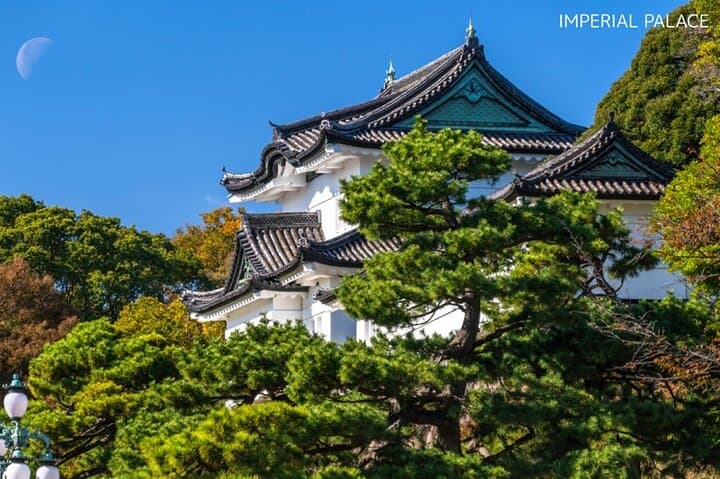
Stops like Asakusa and the East Gardens reflect Edo- and Meiji-period layers of Tokyo’s urban growth, from merchant quarters to imperial estates.
Visitors are expected to follow local rules: dispose of trash at designated stations, respect shrine etiquette, and stay on marked paths to protect historic gardens.
gotcha operates guided outdoor trips and adventures with an emphasis on safety, stewardship, and memorable experiences.


The city opens in motion: a guide waits with a map, neon and timber shifting around them as you step from a quiet shrine approach into a river of commuters at Shibuya. In three hours Tokyo compresses centuries—stone lanterns and Edo-era gates rubbing shoulders with glass towers and a 24-hour market that still smells of sea.
The city opens in motion: a guide waits with a map, neon and timber shifting around them as you step from a quiet shrine approach into a river of commuters at Shibuya. In three hours Tokyo compresses centuries—stone lanterns and Edo-era gates rubbing shoulders with glass towers and a 24-hour market that still smells of sea.
Tokyo sits on the Kantō Plain where volcanic soils and reclaimed shorelines shape parks, rivers, and the raised embankments of former river channels. The itinerary options—Asakusa’s temple alleys, Meiji Shrine’s cedar avenues, Tsukiji Outer Market’s stalls, the high viewpoint of Tokyo Skytree—trace social and economic layers: merchant districts, imperial grounds, and postwar reconstruction. A private guide connects these threads, explaining Meiji-era modernization one moment and pointing out retro game arcades the next.
Expect rhythm shifts: shaded, gravel paths through shrine forests; tiled streets for browsing; noisy market lanes where vendors call out fresh catches. Culture here is small courtesies—bowing, removing shoes at specific spots, queuing precisely—and cash remains useful at older stalls.
Practical edge: pick one or two stops to keep a relaxed pace. Transportation and admissions are paid separately, so factor in a prepaid Suica or small bills. Wear comfortable shoes for 2–3 miles of walking, bring a portable charger for constant photo stops, and plan morning or late-afternoon starts to avoid peak heat and crowds. In short: this tour is a fast, flexible primer on Tokyo, built to fit your interests without losing the city’s tactile details.