THE ADVENTURE COLLECTIVE® · Independent discovery and booking for outdoor travel

Trade the tour-bus loop for alleys, temples, and market stalls on a private, customizable walking tour of central Seoul. Choose a 3.5- or 6.5-hour route tailored to food, culture, or K-drama spots and move like a local—on foot and by subway.
Trade the tour-bus loop for alleys, temples, and market stalls on a private, customizable walking tour of central Seoul. Choose a 3.5- or 6.5-hour route tailored to food, culture, or K-drama spots and move like a local—on foot and by subway.
You step off the subway into a street lined with low eaves and the soft clack of market life—Seoul here feels intimate, not rushed. Your guide folds a transit map and points the way: a temple gate that breathes centuries, a narrow hanok alley where rooflines lean in like curious neighbors, and a river channel that nudges you along its paved promenade.
Verified experiences and guided adventures in the surrounding area.
Operated by Suha · Seoul, Seoul
You step off the subway into a street lined with low eaves and the soft clack of market life—Seoul here feels intimate, not rushed. Your guide folds a transit map and points the way: a temple gate that breathes centuries, a narrow hanok alley where rooflines lean in like curious neighbors, and a river channel that nudges you along its paved promenade.
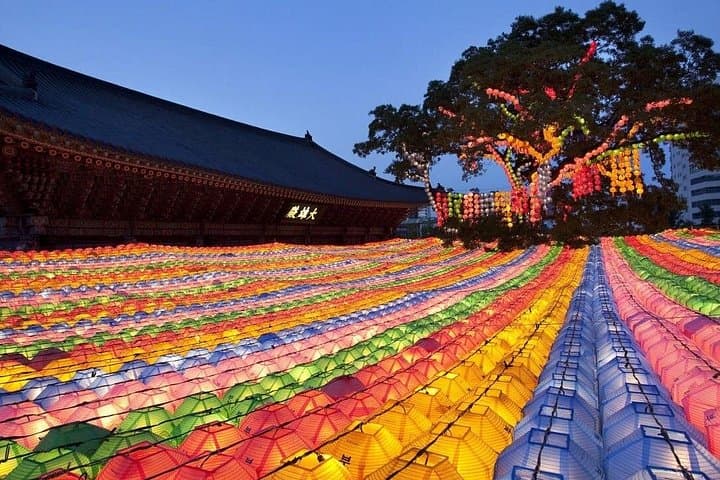
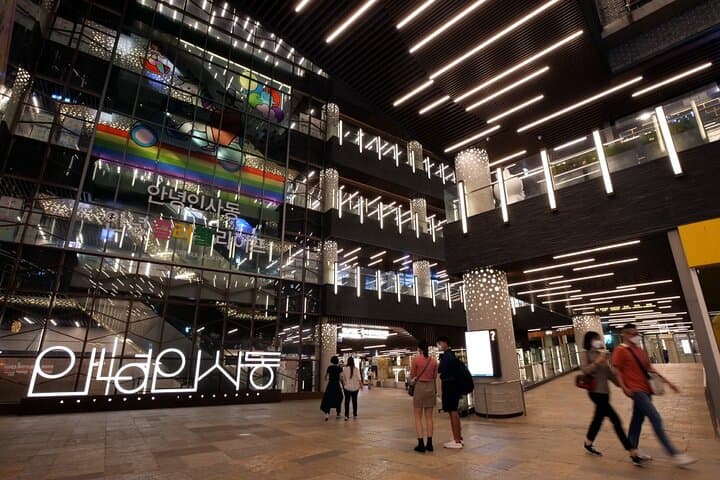
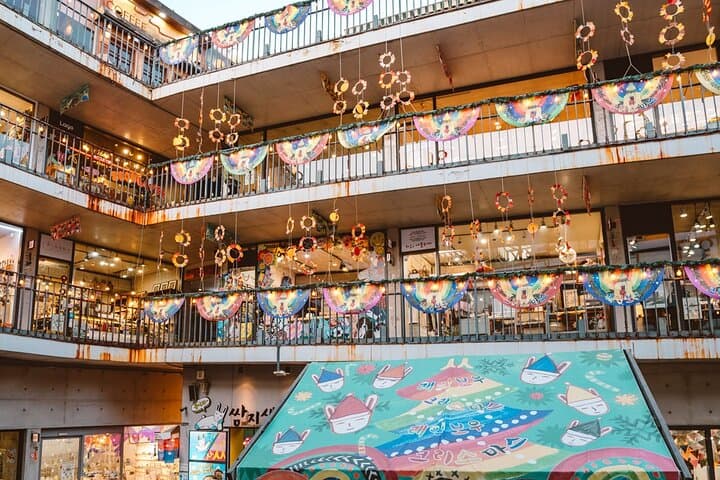
This private walking tour threads through Jongno’s living history: Jogyesa’s central role in Korean Buddhism, Bukchon’s preserved Joseon-era hanok grid, and Insadong’s concentration of crafts and antiques born from long trade routes and artisan lineages. Geology is subtle but present—the city sits on low hills and the Cheonggyecheon stream cuts a cool corridor through modern concrete, providing relief in summer and reflections in winter.
Culturally, expect close-up encounters with neighborhood artisans, tea houses, and street-food stalls where flavors map to family recipes. Guides tailor the route to your interests—K-drama locations, food, shopping, or quiet temple time—moving mainly by foot and subway.
Practical guidance: bring comfortable shoes and a light daypack, carry small bills for snacks and shrine offerings, and download a T-money transit app or pick up a card at any station. Tours run 3.5 or 6.5 hours; pace is local—frequent stops, fewer forced pushes. Blend curiosity with respect: remove hats in temples, avoid loud phone calls in small alleys, and ask before photographing people. With a local guide shaping each turn, the city opens not as a checklist but as an invitation to move and notice.
easy.
3.5–6.5 hours.
Suitable for most fitness levels; expect 4–10 km of walking with frequent stops and stair sections
Most neighborhood sites like Bukchon and Insadong are public; specific paid attractions (museums, palaces) are usually not included unless specified.
No—this experience is walking and subway-based to keep routes authentic and avoid vehicle traffic.
Yes—the tour is fully customizable; mention preferences when booking or via the requested WhatsApp contact.
The tour is labeled physical-easy and suits most ages, but contact the operator about mobility restrictions—some alleyways and temple steps are uneven.
Jongno has been Seoul’s cultural core since the Joseon dynasty; its temples and hanok reflect centuries of civic and artistic life.
Support small, local artisans and avoid single-use plastics; follow temple etiquette and stick to marked paths to protect fragile historic fabric.
Suha operates guided outdoor trips and adventures with an emphasis on safety, stewardship, and memorable experiences.
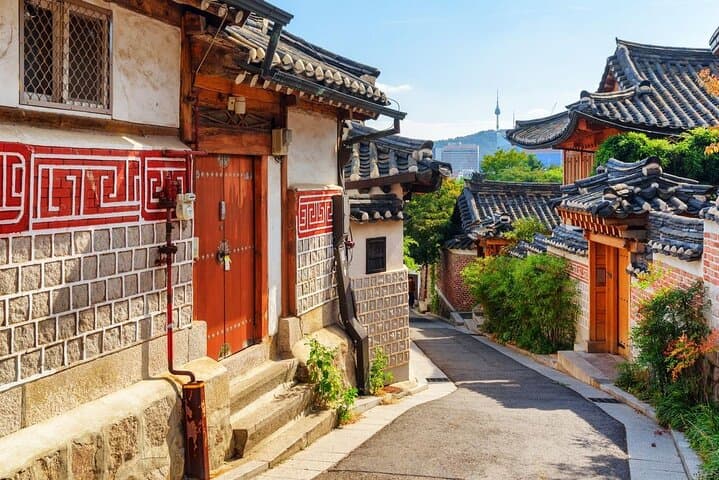
You step off the subway into a street lined with low eaves and the soft clack of market life—Seoul here feels intimate, not rushed. Your guide folds a transit map and points the way: a temple gate that breathes centuries, a narrow hanok alley where rooflines lean in like curious neighbors, and a river channel that nudges you along its paved promenade.
You step off the subway into a street lined with low eaves and the soft clack of market life—Seoul here feels intimate, not rushed. Your guide folds a transit map and points the way: a temple gate that breathes centuries, a narrow hanok alley where rooflines lean in like curious neighbors, and a river channel that nudges you along its paved promenade.
This private walking tour threads through Jongno’s living history: Jogyesa’s central role in Korean Buddhism, Bukchon’s preserved Joseon-era hanok grid, and Insadong’s concentration of crafts and antiques born from long trade routes and artisan lineages. Geology is subtle but present—the city sits on low hills and the Cheonggyecheon stream cuts a cool corridor through modern concrete, providing relief in summer and reflections in winter.
Culturally, expect close-up encounters with neighborhood artisans, tea houses, and street-food stalls where flavors map to family recipes. Guides tailor the route to your interests—K-drama locations, food, shopping, or quiet temple time—moving mainly by foot and subway.
Practical guidance: bring comfortable shoes and a light daypack, carry small bills for snacks and shrine offerings, and download a T-money transit app or pick up a card at any station. Tours run 3.5 or 6.5 hours; pace is local—frequent stops, fewer forced pushes. Blend curiosity with respect: remove hats in temples, avoid loud phone calls in small alleys, and ask before photographing people. With a local guide shaping each turn, the city opens not as a checklist but as an invitation to move and notice.