THE ADVENTURE COLLECTIVE® · Independent discovery and booking for outdoor travel

Skip the guidebook circuit and walk Busan with a local who tailors the day to your interests—markets, film culture, and seaside views on a private three-hour tour. Expect crowded lanes, fresh seafood, and insider tips that help you navigate the city like a resident.
Skip the guidebook circuit and walk Busan with a local who tailors the day to your interests—markets, film culture, and seaside views on a private three-hour tour. Expect crowded lanes, fresh seafood, and insider tips that help you navigate the city like a resident.
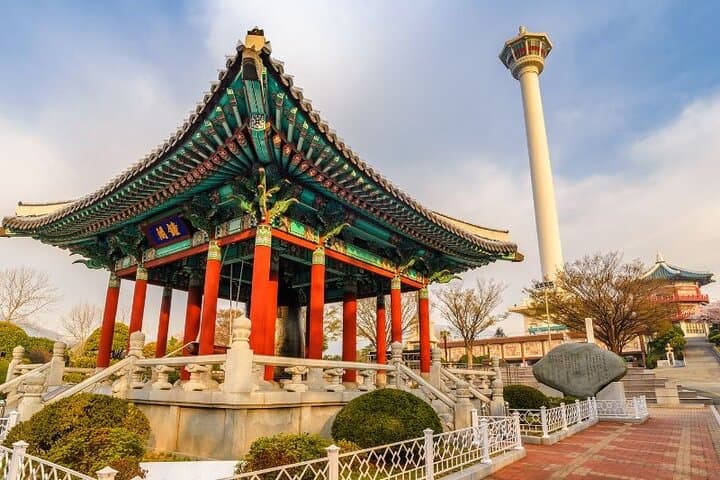
You step out from your hotel into the immediate heave of Busan: salt on the air, vendors calling in clipped Korean, and alleys that cut like tramlines between old tenements and neon storefronts. A local guide folds the map away and starts to tell you where the city really lives—through food stalls, film squares and the working port. The walking tour threads historical layers: from Busan’s role as a maritime gateway and Korean War refuge to the modern boom of film festivals and seaside development.
Verified experiences and guided adventures in the surrounding area.
Operated by Guydeez · Busan, Busan
You step out from your hotel into the immediate heave of Busan: salt on the air, vendors calling in clipped Korean, and alleys that cut like tramlines between old tenements and neon storefronts. A local guide folds the map away and starts to tell you where the city really lives—through food stalls, film squares and the working port. The walking tour threads historical layers: from Busan’s role as a maritime gateway and Korean War refuge to the modern boom of film festivals and seaside development.
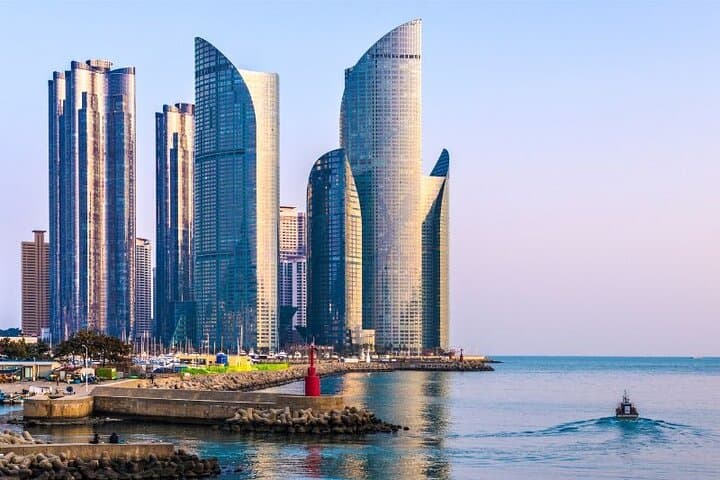
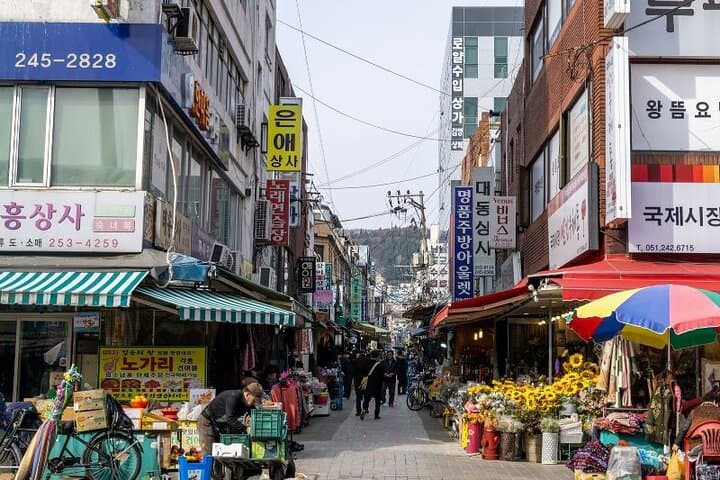
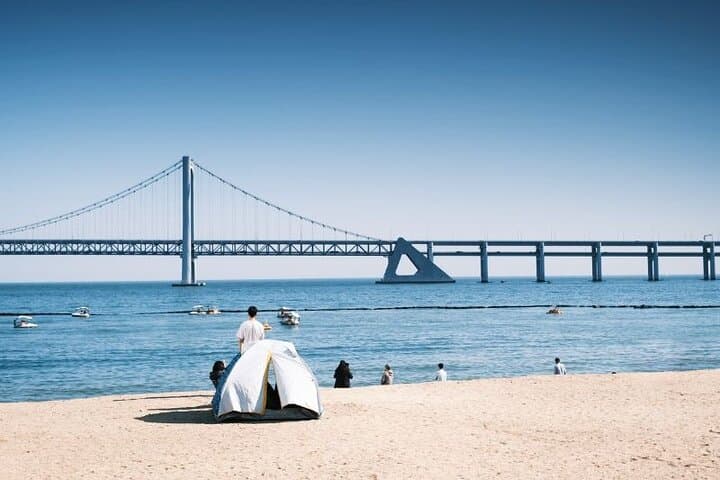
Geologically, Busan clings to rocky headlands and inlets where currents shape the coast; the city’s bridges and promontories are reminders that land and sea are always negotiating. Culture here is practical and public—markets where bargaining is a language, and seafood hauled ashore minutes before your plate. Expect stops at Gukje Market’s dense lanes, BIFF Square’s filmic plaques, Jagalchi Fish Market’s slippery ramps, and views toward Gwangan Bridge arching over the bay.
Practical guidance: the route is mostly paved and flat but includes crowded market surfaces and short stair sections. Wear grippy shoes, carry a lightweight daypack, and plan for three hours. Midday is hot in summer; early morning or late afternoon offers cooler light for photos and more comfortable walking.
The private, customizable format means you can focus on street food, history, or urban views. Ask your guide about local dining etiquette and the best time to visit the markets—small choices make the difference between a tourist snapshot and an informed stride through the city.
easy.
3 hours.
Suitable for most fitness levels; involves continuous walking with short stair sections and standing at markets
Yes — this private tour is fully customizable; tell the operator your focus (food, history, photography) when booking.
Meet-up at accommodation or the cruise terminal is available within the city; confirm your pickup point when booking.
Many main market aisles are accessible, but some older alleys and fish market ramps can be uneven; notify operators of accessibility needs in advance.
Guides commonly speak English and Korean; request other language support at booking but availability may vary.
Busan developed as Korea’s primary southern port and later served as a critical refuge and logistics hub during the Korean War, shaping its cosmopolitan character.
Busan’s coastal areas face marine pollution and heavy coastal use—carry out rubbish, avoid single-use plastics, and choose locally owned vendors to support sustainable economies.
Guydeez operates guided outdoor trips and adventures with an emphasis on safety, stewardship, and memorable experiences.
You step out from your hotel into the immediate heave of Busan: salt on the air, vendors calling in clipped Korean, and alleys that cut like tramlines between old tenements and neon storefronts. A local guide folds the map away and starts to tell you where the city really lives—through food stalls, film squares and the working port. The walking tour threads historical layers: from Busan’s role as a maritime gateway and Korean War refuge to the modern boom of film festivals and seaside development.
You step out from your hotel into the immediate heave of Busan: salt on the air, vendors calling in clipped Korean, and alleys that cut like tramlines between old tenements and neon storefronts. A local guide folds the map away and starts to tell you where the city really lives—through food stalls, film squares and the working port. The walking tour threads historical layers: from Busan’s role as a maritime gateway and Korean War refuge to the modern boom of film festivals and seaside development.
Geologically, Busan clings to rocky headlands and inlets where currents shape the coast; the city’s bridges and promontories are reminders that land and sea are always negotiating. Culture here is practical and public—markets where bargaining is a language, and seafood hauled ashore minutes before your plate. Expect stops at Gukje Market’s dense lanes, BIFF Square’s filmic plaques, Jagalchi Fish Market’s slippery ramps, and views toward Gwangan Bridge arching over the bay.
Practical guidance: the route is mostly paved and flat but includes crowded market surfaces and short stair sections. Wear grippy shoes, carry a lightweight daypack, and plan for three hours. Midday is hot in summer; early morning or late afternoon offers cooler light for photos and more comfortable walking.
The private, customizable format means you can focus on street food, history, or urban views. Ask your guide about local dining etiquette and the best time to visit the markets—small choices make the difference between a tourist snapshot and an informed stride through the city.