THE ADVENTURE COLLECTIVE® · Independent discovery and booking for outdoor travel

An 8‑hour private walking tour that stitches together Tokyo’s iconic landmarks and neighborhood secrets. Fully customizable—choose food, temples, shopping, or tranquil parks and let a local English-speaking guide design the route.
An 8‑hour private walking tour that stitches together Tokyo’s iconic landmarks and neighborhood secrets. Fully customizable—choose food, temples, shopping, or tranquil parks and let a local English-speaking guide design the route.
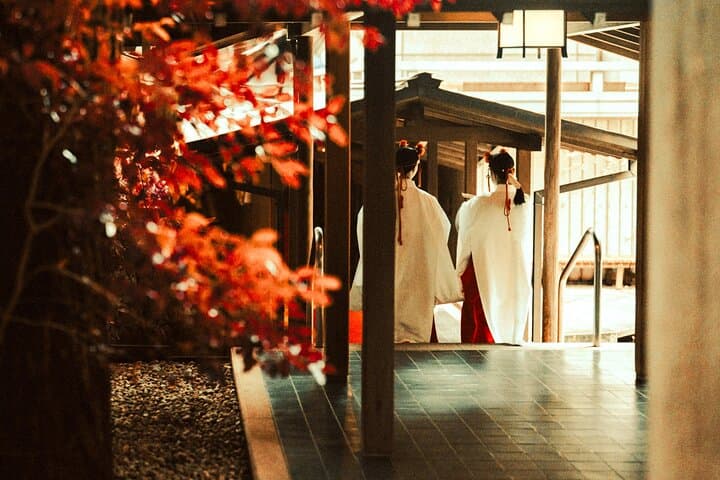
You step from a quiet side street into the flow of Tokyo: neon signs give way to wooden eaves, and the city’s pulse shifts from rush-hour urgency to a slower, human rhythm.
Verified experiences and guided adventures in the surrounding area.
Operated by Hinomaru One · Tokyo, Tokyo
You step from a quiet side street into the flow of Tokyo: neon signs give way to wooden eaves, and the city’s pulse shifts from rush-hour urgency to a slower, human rhythm.
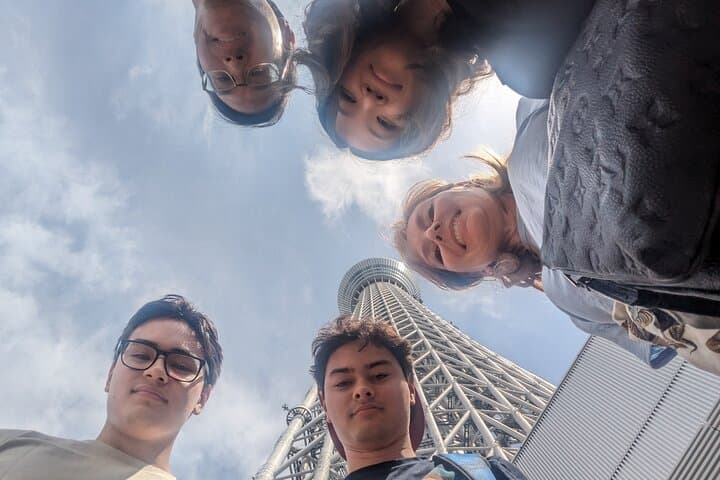
This private, customizable eight-hour walking tour threads through neighborhoods where Edo-era lanes meet postwar commerce. Guides lead you through Asakusa’s Nakamise approach to Senso-ji, past Tsukiji’s remaining food stalls, across Shibuya’s scramble, and into the green calm of Shinjuku Gyoen—each stop chosen to echo a facet of Tokyo’s history and daily life.
Tokyo’s past is layered: the merchant culture of Edo, the Meiji Restoration’s rapid modernization, and postwar reinvention. Geologically, much of Tokyo sits on alluvial plains and artificial reclaimed land along Tokyo Bay, which shaped how neighborhoods developed and where parks and shrines survived the city’s growth.
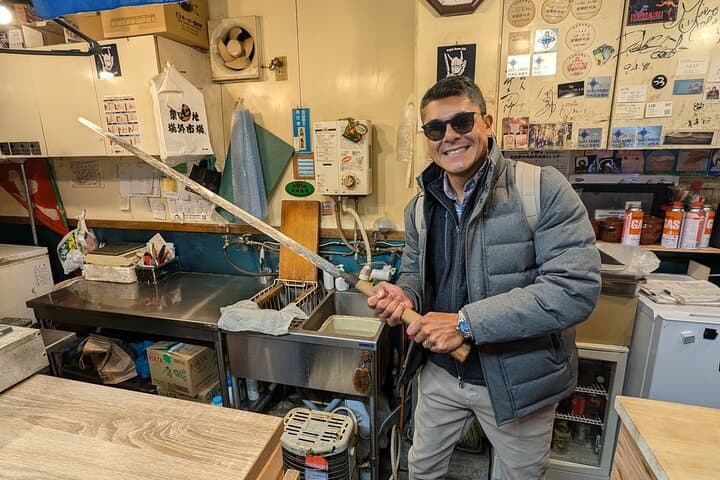
Local culture is tactile: street food vendors, tiny shrine rituals, neighborhood izakaya banter, and meticulous urban gardens. Your guide can tailor the balance of food, architecture, shopping, and quiet green spaces to your interests.
Practical guidance: expect several miles of walking on mixed surfaces—sidewalks, tiled temple approaches, and a few stairways. Bring comfortable shoes, a portable charger, and a rain shell in season. Plan for midday crowds at major nodes (Shibuya, Asakusa) and save small bills for vendors.
A private tour maximizes flexibility: start time between 9–11AM, optional hotel pickup, and the ability to shorten or refocus the route if you want more food stops, museum time, or rooftop views.
moderate.
8 hours.
Should be comfortable walking 8–10 km over a day with some standing and stairs; light stamina required.
Fully customizable—guides will plan 4–6 stops based on your interests, and you can prioritize food, history, shopping, or green spaces.
Yes—convenient pickup within Tokyo proper is included; confirm your exact pickup point when booking.
Many areas included are wheelchair accessible, but certain temple approaches or alleyways may be narrow—discuss accessibility needs before booking.
For a full refund cancel at least 24 hours before the scheduled departure; within 24 hours there's no refund.
Tokyo evolved from Edo, a merchant city under the Tokugawa shogunate, into the Meiji-era capital that rapidly modernized Japan after 1868.
High visitor volumes strain small market vendors and shrine spaces—support local shops, avoid single-use plastics, and follow posted rules at sacred sites.
Hinomaru One operates guided outdoor trips and adventures with an emphasis on safety, stewardship, and memorable experiences.

You step from a quiet side street into the flow of Tokyo: neon signs give way to wooden eaves, and the city’s pulse shifts from rush-hour urgency to a slower, human rhythm.
You step from a quiet side street into the flow of Tokyo: neon signs give way to wooden eaves, and the city’s pulse shifts from rush-hour urgency to a slower, human rhythm.
This private, customizable eight-hour walking tour threads through neighborhoods where Edo-era lanes meet postwar commerce. Guides lead you through Asakusa’s Nakamise approach to Senso-ji, past Tsukiji’s remaining food stalls, across Shibuya’s scramble, and into the green calm of Shinjuku Gyoen—each stop chosen to echo a facet of Tokyo’s history and daily life.
Tokyo’s past is layered: the merchant culture of Edo, the Meiji Restoration’s rapid modernization, and postwar reinvention. Geologically, much of Tokyo sits on alluvial plains and artificial reclaimed land along Tokyo Bay, which shaped how neighborhoods developed and where parks and shrines survived the city’s growth.
Local culture is tactile: street food vendors, tiny shrine rituals, neighborhood izakaya banter, and meticulous urban gardens. Your guide can tailor the balance of food, architecture, shopping, and quiet green spaces to your interests.
Practical guidance: expect several miles of walking on mixed surfaces—sidewalks, tiled temple approaches, and a few stairways. Bring comfortable shoes, a portable charger, and a rain shell in season. Plan for midday crowds at major nodes (Shibuya, Asakusa) and save small bills for vendors.
A private tour maximizes flexibility: start time between 9–11AM, optional hotel pickup, and the ability to shorten or refocus the route if you want more food stops, museum time, or rooftop views.