THE ADVENTURE COLLECTIVE® · Independent discovery and booking for outdoor travel

Customize a private half- or full-day tour of Nagasaki with a local guide and private car. Visit the Atomic Bomb Museum, Suwa Shrine, Mount Inasa, and quieter streets while tailoring pacing and stops to your interests.
Customize a private half- or full-day tour of Nagasaki with a local guide and private car. Visit the Atomic Bomb Museum, Suwa Shrine, Mount Inasa, and quieter streets while tailoring pacing and stops to your interests.
Morning light slides across Nagasaki Harbor as your private car slips through narrow streets, a mosaic of colonial facades and green hills leaning toward the sea.
Your local guide opens a paper map more like a ledger of stories—Dutch merchants, hidden Christian households, and August mornings that changed everything.
Verified experiences and guided adventures in the surrounding area.
Operated by NAGASAKI Trek · Nagasaki, Nagasaki Prefecture
Morning light slides across Nagasaki Harbor as your private car slips through narrow streets, a mosaic of colonial facades and green hills leaning toward the sea.
Your local guide opens a paper map more like a ledger of stories—Dutch merchants, hidden Christian households, and August mornings that changed everything.
Nagasaki's layers are visible in stone and skyline: Dejima's reclaimed trading post recalls the 17th-century window to the outside world; the Atomic Bomb Museum and Peace Park record 1945's rupture and the city's painstaking recovery; the Suwa Shrine and Teramachi alleys keep older rituals alive.
From Mount Inasa the harbor fans into a scatter of islands, while steep volcanic ridges focus rain into narrow rivers that carved the neighborhoods.
Culinary culture is a short step from history—Champon noodles and castella cake show Chinese and Portuguese threads in local food.
This private tour is flexible: choose a 2-hour half-day for highlights or expand to a 4-hour full-day to include Glover Garden and quieter temple streets.
Expect gentle walking, some stairs, and a mix of indoor exhibits and open-air viewpoints, all reachable by air-conditioned vehicle.
Practical tips: dress modestly for memorials, carry small cash for shrine offerings and snacks, and bring a charged camera — guides often offer to take and send snapshots.
Plan morning or late-afternoon visits to avoid cruise-day crowds and to catch the harbor in the best light.
Move respectfully through the sites; the city asks visitors to be mindful of memory and place.
Allow pause between stops for reflection always.
easy.
2–4 hours.
Light walking ability; comfortable on short stairs and uneven sidewalks
Very customizable—the tour can be shortened or extended, and you can prioritize sites like the Peace Park, Mount Inasa, Glover Garden, or local food stops.
Yes, private air-conditioned transport is provided for the duration chosen (half-day or full-day).
Entrance fees are included where specified in the booking details, but small local fees or donations at shrines may not be covered.
Yes—the tour is rated physically easy, but inform the operator of mobility needs so routes and pacing can be adjusted.
Nagasaki was Japan's primary window to foreign trade during the Edo period and later suffered an atomic bombing in 1945; both eras have shaped the city's built and cultural landscape.
Visitors are asked to respect memorial sites, minimize litter in coastal areas, and support local businesses to keep cultural districts vibrant.
NAGASAKI Trek operates guided outdoor trips and adventures with an emphasis on safety, stewardship, and memorable experiences.
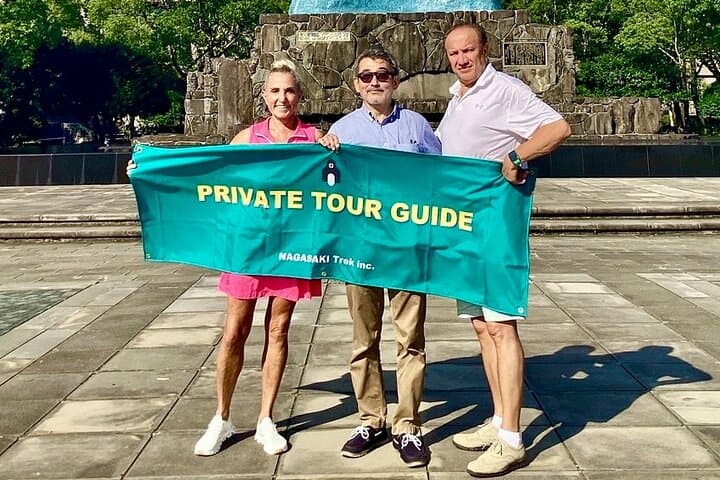
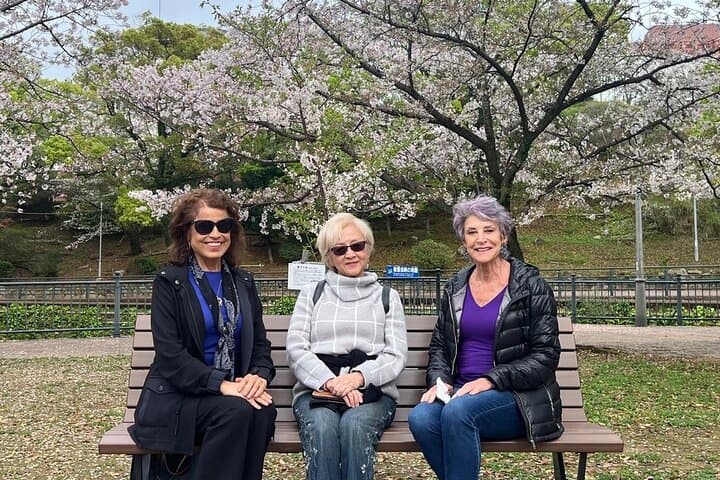
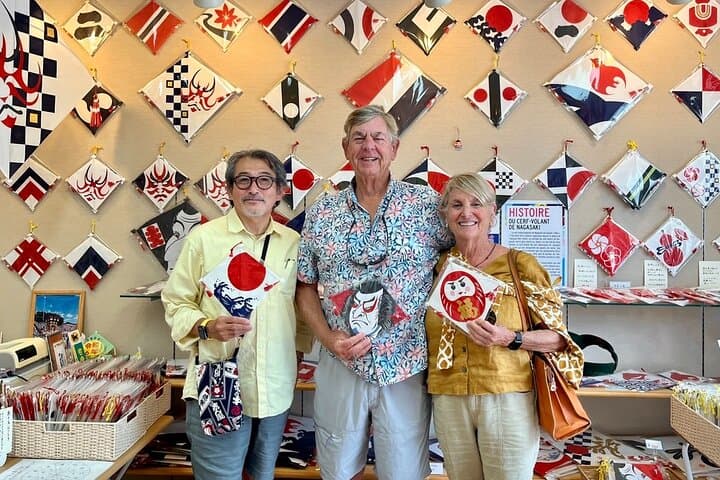
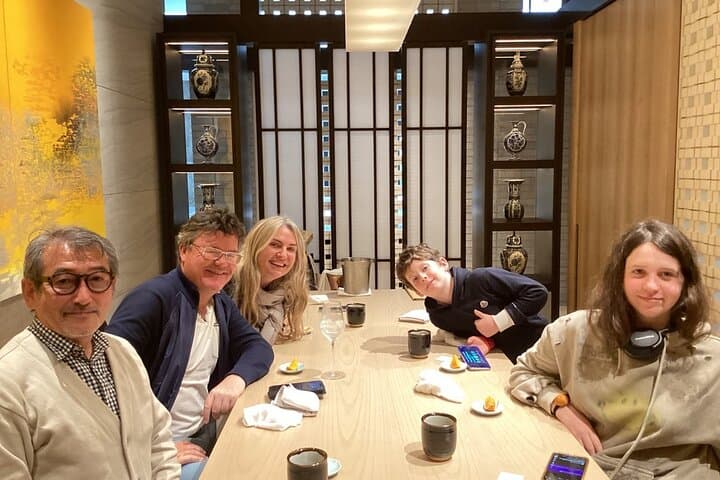
Morning light slides across Nagasaki Harbor as your private car slips through narrow streets, a mosaic of colonial facades and green hills leaning toward the sea.
Your local guide opens a paper map more like a ledger of stories—Dutch merchants, hidden Christian households, and August mornings that changed everything.
Morning light slides across Nagasaki Harbor as your private car slips through narrow streets, a mosaic of colonial facades and green hills leaning toward the sea.
Your local guide opens a paper map more like a ledger of stories—Dutch merchants, hidden Christian households, and August mornings that changed everything.
Nagasaki's layers are visible in stone and skyline: Dejima's reclaimed trading post recalls the 17th-century window to the outside world; the Atomic Bomb Museum and Peace Park record 1945's rupture and the city's painstaking recovery; the Suwa Shrine and Teramachi alleys keep older rituals alive.
From Mount Inasa the harbor fans into a scatter of islands, while steep volcanic ridges focus rain into narrow rivers that carved the neighborhoods.
Culinary culture is a short step from history—Champon noodles and castella cake show Chinese and Portuguese threads in local food.
This private tour is flexible: choose a 2-hour half-day for highlights or expand to a 4-hour full-day to include Glover Garden and quieter temple streets.
Expect gentle walking, some stairs, and a mix of indoor exhibits and open-air viewpoints, all reachable by air-conditioned vehicle.
Practical tips: dress modestly for memorials, carry small cash for shrine offerings and snacks, and bring a charged camera — guides often offer to take and send snapshots.
Plan morning or late-afternoon visits to avoid cruise-day crowds and to catch the harbor in the best light.
Move respectfully through the sites; the city asks visitors to be mindful of memory and place.
Allow pause between stops for reflection always.