THE ADVENTURE COLLECTIVE® · Independent discovery and booking for outdoor travel

Design your own half‑ or full‑day exploration of Kyoto with a private local guide. Choose historic shrines, market lanes, gardens or culinary stops and let an expert pace a route that fits your energy and interests.
Design your own half‑ or full‑day exploration of Kyoto with a private local guide. Choose historic shrines, market lanes, gardens or culinary stops and let an expert pace a route that fits your energy and interests.
You step off the train into a city that keeps its past close—the air near the Kamo River carries the brisk pulse of commuters while the water itself dares you to slow down and look. A private guide meets you, and the streets of Kyoto unfold as a layered map of wood, stone, and ritual: torii gates stacking into bright tunnels, a golden temple catching light like a coin, narrow alleyways that still remember festival footfalls.
Verified experiences and guided adventures in the surrounding area.
Operated by OMAKASE · Kyoto, Kyoto Prefecture
You step off the train into a city that keeps its past close—the air near the Kamo River carries the brisk pulse of commuters while the water itself dares you to slow down and look. A private guide meets you, and the streets of Kyoto unfold as a layered map of wood, stone, and ritual: torii gates stacking into bright tunnels, a golden temple catching light like a coin, narrow alleyways that still remember festival footfalls.
Kyoto was Japan’s imperial capital for over a millennium; its temples and gardens reflect shifts in power, religion and landscape management. Geologically the city sits in a basin ringed by low hills; rivers carved trade routes and now frame photographic views such as Togetsu-kyo on the Katsura. Culturally, expect tea ceremony traditions, carefully preserved shrine etiquette and markets where raw ingredients shape seasonal cuisine.
This private option lets you design the pace—choose 2–3 stops for a 4-hour half-day or 4–5 for a full 8-hour day. Guides speak English, can recommend off-peak routing to avoid crowds, and offer either public-transit itineraries or a private car. Practicalities matter: many smaller shops take cash, staircases and compact streets demand steady shoes, and some temples require advance booking.
Prepare to walk on varied surfaces, sip matcha in century-old tea houses, and watch koi circle temple ponds. Hydrate between shrines, carry local currency, and coordinate via WhatsApp or email before arrival. With a seasoned local guide you’ll move efficiently through history while leaving space for the small discoveries that make Kyoto an active, living city.
moderate.
4–8 hours.
Moderate fitness—comfortable with several hours of walking and stairs; short urban hikes may be included.
Yes — pickup logistics are flexible; provide your hotel name and preferred time when booking so the guide can arrange the best meeting point.
Entrance fees and meal costs are typically not included unless specified; your guide can advise and handle purchases on the day if arranged in advance.
Infants and small children in strollers are accommodated, but some temple sites have stairs or narrow paths—consult your guide to plan an accessible route.
Expect 2–3 places in a 4‑hour half day and 4–5 in a full 8‑hour day, depending on travel method and time spent at each site.
Kyoto served as Japan’s imperial capital from 794 to 1868; many temples and gardens were established or reshaped across centuries of court and samurai patronage.
Respect religious sites by staying on paths, observing no-flash rules in interiors, and supporting local artisans rather than buying mass-produced souvenirs.
OMAKASE operates guided outdoor trips and adventures with an emphasis on safety, stewardship, and memorable experiences.
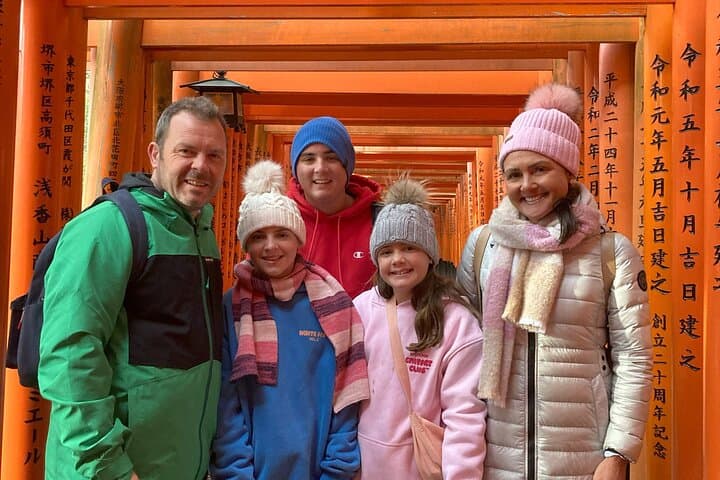
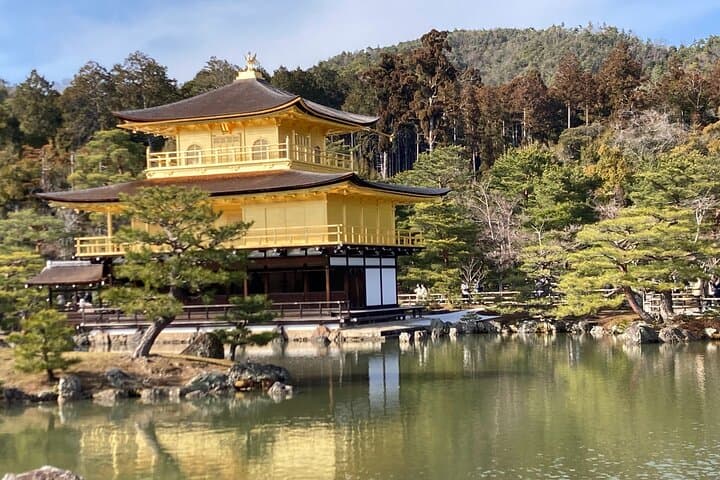
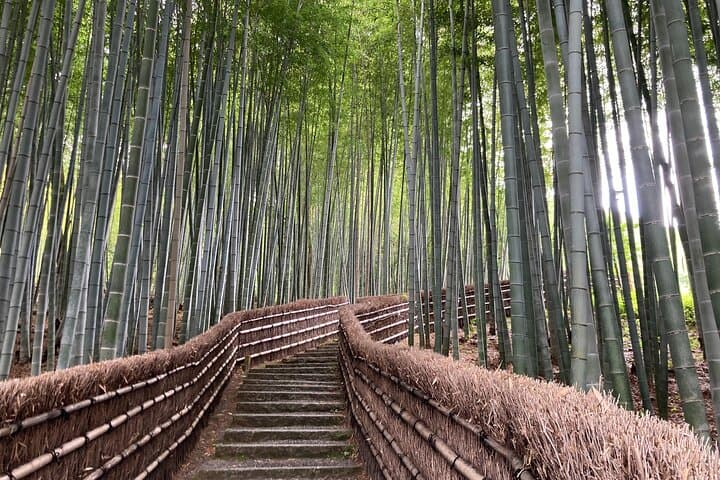
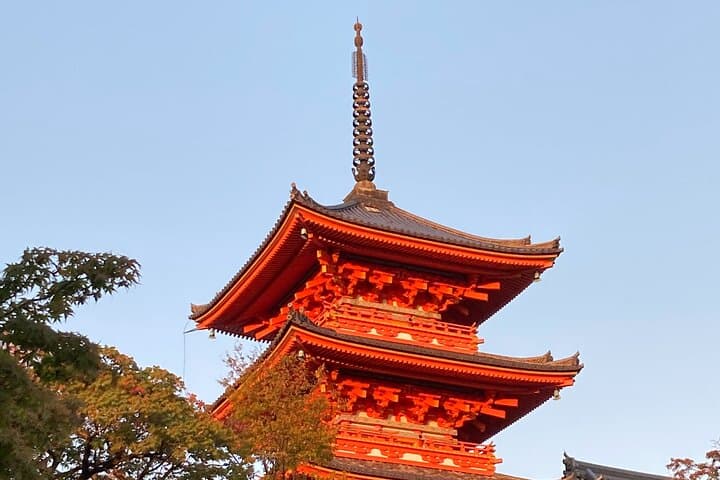
You step off the train into a city that keeps its past close—the air near the Kamo River carries the brisk pulse of commuters while the water itself dares you to slow down and look. A private guide meets you, and the streets of Kyoto unfold as a layered map of wood, stone, and ritual: torii gates stacking into bright tunnels, a golden temple catching light like a coin, narrow alleyways that still remember festival footfalls.
You step off the train into a city that keeps its past close—the air near the Kamo River carries the brisk pulse of commuters while the water itself dares you to slow down and look. A private guide meets you, and the streets of Kyoto unfold as a layered map of wood, stone, and ritual: torii gates stacking into bright tunnels, a golden temple catching light like a coin, narrow alleyways that still remember festival footfalls.
Kyoto was Japan’s imperial capital for over a millennium; its temples and gardens reflect shifts in power, religion and landscape management. Geologically the city sits in a basin ringed by low hills; rivers carved trade routes and now frame photographic views such as Togetsu-kyo on the Katsura. Culturally, expect tea ceremony traditions, carefully preserved shrine etiquette and markets where raw ingredients shape seasonal cuisine.
This private option lets you design the pace—choose 2–3 stops for a 4-hour half-day or 4–5 for a full 8-hour day. Guides speak English, can recommend off-peak routing to avoid crowds, and offer either public-transit itineraries or a private car. Practicalities matter: many smaller shops take cash, staircases and compact streets demand steady shoes, and some temples require advance booking.
Prepare to walk on varied surfaces, sip matcha in century-old tea houses, and watch koi circle temple ponds. Hydrate between shrines, carry local currency, and coordinate via WhatsApp or email before arrival. With a seasoned local guide you’ll move efficiently through history while leaving space for the small discoveries that make Kyoto an active, living city.