THE ADVENTURE COLLECTIVE® · Independent discovery and booking for outdoor travel

Design your own route through Yamaguchi with a private, English-speaking guide—choose two to three sites and explore at your own pace. This half-day option pairs cultural highlights like Ruriko-ji and local museums with nearby karst landscapes for a compact, flexible itinerary.
Design your own route through Yamaguchi with a private, English-speaking guide—choose two to three sites and explore at your own pace. This half-day option pairs cultural highlights like Ruriko-ji and local museums with nearby karst landscapes for a compact, flexible itinerary.
On a clear morning in Yamaguchi, the five-story pagoda of Ruriko-ji rises above maple trees, its silhouette cutting a precise line against the sky.
The city smells of damp stone and green tea; streets open onto compact temples, small museums and market alleys.
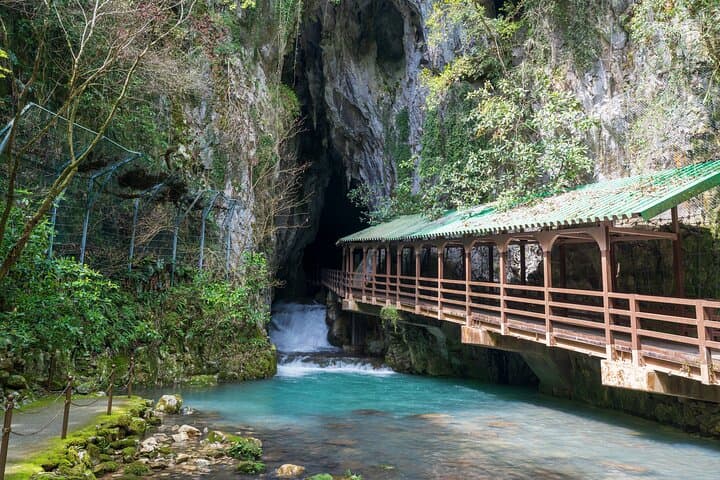
A private, customizable half-day tour lets travelers pick two to three sites — from the Muromachi-era pagoda and Sesshū-designed Jōei-ji garden to the karst ridges of Akiyoshidai and the caverns of Akiyoshidō — and move at their own pace with an English-speaking guide.
Verified experiences and guided adventures in the surrounding area.
Operated by Japan Awaits · Yamaguchi, Yamaguchi Prefecture
On a clear morning in Yamaguchi, the five-story pagoda of Ruriko-ji rises above maple trees, its silhouette cutting a precise line against the sky.
The city smells of damp stone and green tea; streets open onto compact temples, small museums and market alleys.
A private, customizable half-day tour lets travelers pick two to three sites — from the Muromachi-era pagoda and Sesshū-designed Jōei-ji garden to the karst ridges of Akiyoshidai and the caverns of Akiyoshidō — and move at their own pace with an English-speaking guide.
Yamaguchi’s history is visible in stone: Tenmangu shrines dedicated to Sugawara no Michizane, Meiji-era townscapes and Buddhist temple complexes reflect a city shaped by scholarship and regional trade.
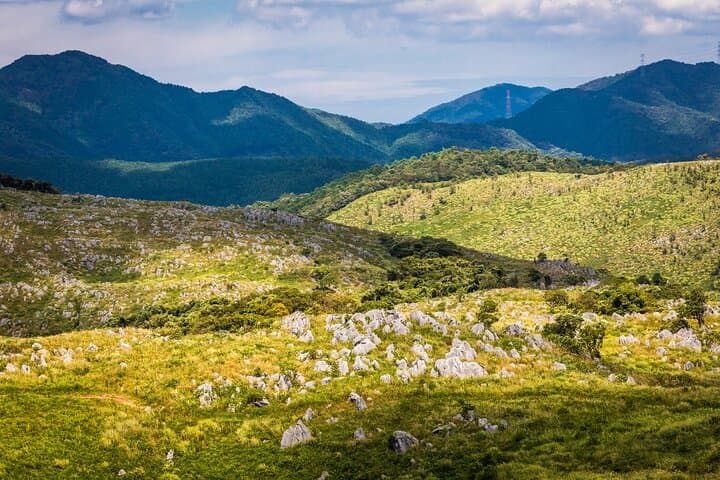
Geology becomes literal on Akiyoshidai, where limestone plateaus and sinkholes expose ancient seabeds and feed caves that drip with slow, patient formations.
Local culture favors compact hospitality — tea houses, small sake breweries and seasonal festivals that reward timing and curiosity.
Plan this tour by filling the custom itinerary form at booking and choose sites that match your energy level.
Expect city walking, short stairs and the occasional gravel path; bring comfortable shoes, a light rain jacket and a portable charger.
If you want photos without crowds, aim for early morning or late afternoon.
Hotels in central Yamaguchi or nearby Hofu make convenient bases, and public transport connects most stops within the city.
Complete the custom tour form at least seven days before departure; short-notice requests may limit options.
Guides wait up to thirty minutes.
moderate.
4 hours.
Moderate — able to walk several kilometers with short stair sections and light uneven surfaces
Very — after booking you receive a custom tour form to select preferences and 2–3 sites; guides will plan logistics and reservations as requested.
Pickup and drop-off are available if your hotel is within the city center; confirm pickup details on the custom form.
The operator has a staged cancellation fee structure; check your booking confirmation for time-based penalties and note that reservations may be nonrefundable closer to the date.
The tour notes stroller access for many stops, but some temples and cave sites have stairs or uneven paths—confirm specific stops when planning.
Yamaguchi grew as a regional center of scholarship and culture; its five-story Ruriko-ji pagoda dates to Muromachi-period patronage and Hofu Tenmangu honors the scholar Sugawara no Michizane.
Akiyoshidai’s karst landscape and Akiyoshidō cave are fragile—stay on marked trails, avoid touching formations and follow local site rules to limit impact.
Japan Awaits operates guided outdoor trips and adventures with an emphasis on safety, stewardship, and memorable experiences.
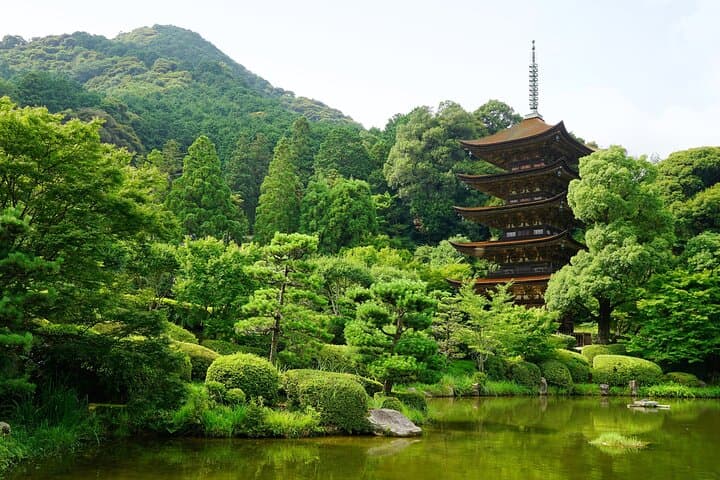
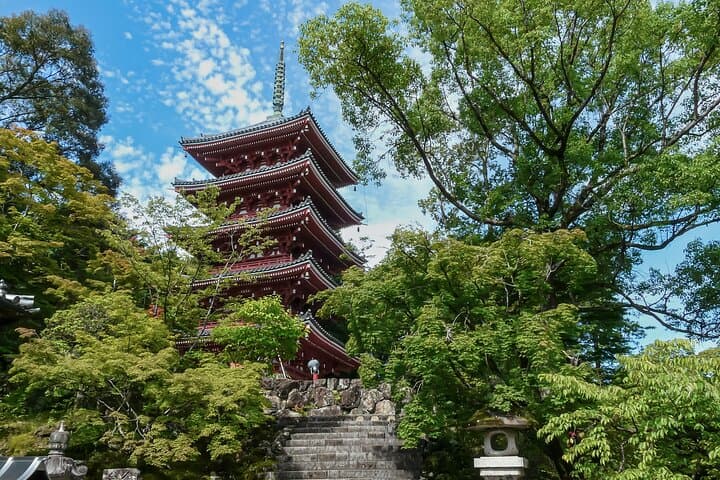
On a clear morning in Yamaguchi, the five-story pagoda of Ruriko-ji rises above maple trees, its silhouette cutting a precise line against the sky.
The city smells of damp stone and green tea; streets open onto compact temples, small museums and market alleys.
A private, customizable half-day tour lets travelers pick two to three sites — from the Muromachi-era pagoda and Sesshū-designed Jōei-ji garden to the karst ridges of Akiyoshidai and the caverns of Akiyoshidō — and move at their own pace with an English-speaking guide.
On a clear morning in Yamaguchi, the five-story pagoda of Ruriko-ji rises above maple trees, its silhouette cutting a precise line against the sky.
The city smells of damp stone and green tea; streets open onto compact temples, small museums and market alleys.
A private, customizable half-day tour lets travelers pick two to three sites — from the Muromachi-era pagoda and Sesshū-designed Jōei-ji garden to the karst ridges of Akiyoshidai and the caverns of Akiyoshidō — and move at their own pace with an English-speaking guide.
Yamaguchi’s history is visible in stone: Tenmangu shrines dedicated to Sugawara no Michizane, Meiji-era townscapes and Buddhist temple complexes reflect a city shaped by scholarship and regional trade.
Geology becomes literal on Akiyoshidai, where limestone plateaus and sinkholes expose ancient seabeds and feed caves that drip with slow, patient formations.
Local culture favors compact hospitality — tea houses, small sake breweries and seasonal festivals that reward timing and curiosity.
Plan this tour by filling the custom itinerary form at booking and choose sites that match your energy level.
Expect city walking, short stairs and the occasional gravel path; bring comfortable shoes, a light rain jacket and a portable charger.
If you want photos without crowds, aim for early morning or late afternoon.
Hotels in central Yamaguchi or nearby Hofu make convenient bases, and public transport connects most stops within the city.
Complete the custom tour form at least seven days before departure; short-notice requests may limit options.
Guides wait up to thirty minutes.