THE ADVENTURE COLLECTIVE® · Independent discovery and booking for outdoor travel

Spend a day with a certified local guide exploring Hakone’s steam‑marked valleys, cedar avenues, and lakeside shrines. This private, customizable tour blends geology, history, and craft with optional hot spring time.
Spend a day with a certified local guide exploring Hakone’s steam‑marked valleys, cedar avenues, and lakeside shrines. This private, customizable tour blends geology, history, and craft with optional hot spring time.
You step off the train into a valley where steam sighs from the earth and the lake holds a slow, reflective hush. The guide waits with a name board; within minutes you’re moving through cedar avenues that once marked the Tokaido, a route set by shoguns to link Tokyo and Kyoto. The air carries soot from volcanic vents and the soft scent of tea from a 400‑year family tea house where you’ll pause for amazake.
Verified experiences and guided adventures in the surrounding area.
Operated by Explore Hakone · Hakone, Kanagawa Prefecture
You step off the train into a valley where steam sighs from the earth and the lake holds a slow, reflective hush. The guide waits with a name board; within minutes you’re moving through cedar avenues that once marked the Tokaido, a route set by shoguns to link Tokyo and Kyoto. The air carries soot from volcanic vents and the soft scent of tea from a 400‑year family tea house where you’ll pause for amazake.
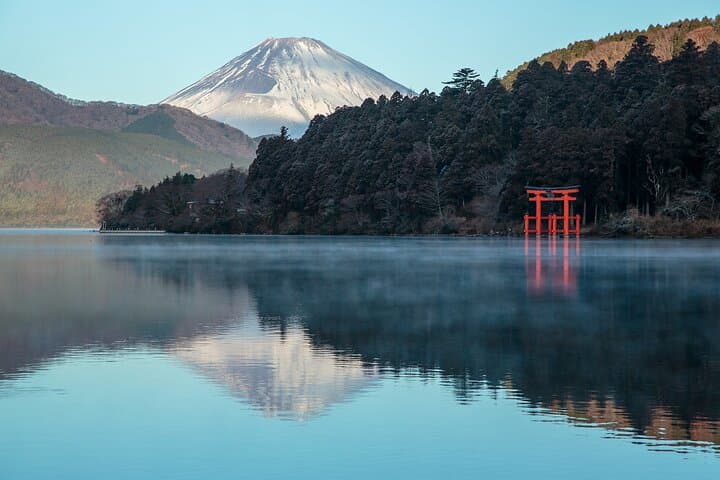
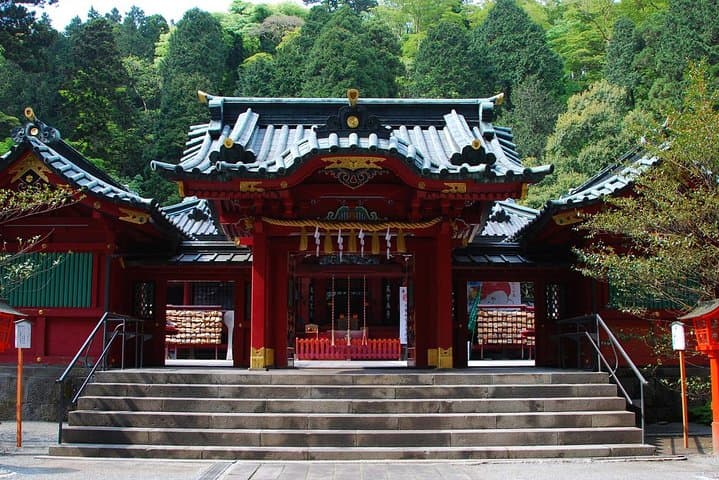
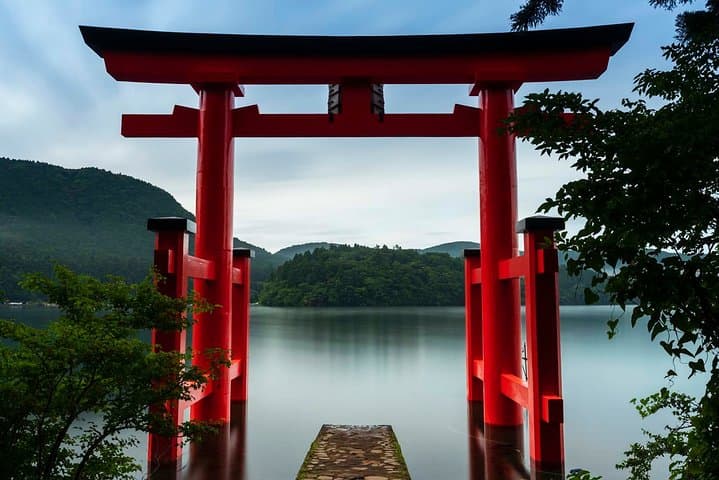
Hakone’s geology is loud and readable: sulfurous fumaroles at Owakudani, glacially scoured basins now filled by Lake Ashi, and ridgelines that frame Mt. Fuji on clear mornings. Cultural layers sit atop that geology—Hakone Shrine’s torii leaning toward the lake, imperial villas-turned-parks, and artisans keeping yosegi zaiku marquetry alive. Your certified local guide stitches these threads together, bringing folklore, shrine etiquette, and woodworking technique into a single day.
Expect a measured, customizable pace—short walks between sites, a possible ropeway ride above steam pits, and optional boat time on Lake Ashi. The tour is suitable for most fitness levels but involves standing, short stair sections, and uneven paths at shrines and garden sites. Practical planning: aim for clear weather to see Mt. Fuji, carry local cash, and allow time for soy‑based snacks and shrine rituals. Bring layers; mountain weather can cool quickly. The guide can arrange a private onsen if you choose—book that selection at reservation time. With the right gear and timing, Hakone delivers geology, history, and quiet moments—all translated by a guide who knows where the view and the story meet.
easy.
7 hours.
Suitable for most walkers; involves short walks, some stairs, and standing at viewpoints
The meeting point is typically at the designated Hakone station exit where your guide will hold a name board; the tour usually returns to the same location.
Yes—this private tour is rated easy and can be paced for families and older travelers, though there is some walking and stairs at shrine and garden sites.
Yes—private hot spring access is optional and must be selected at booking; note that some onsen have age, tattoo, or health restrictions.
Possibly—Mt. Fuji is visible from several viewpoints on clear days, especially in the morning; visibility depends on weather and season.
Hakone has been a strategic checkpoint since the Edo period; the Tokaido road and Hakone Shrine reflect centuries of travel, worship, and imperial retreats.
Hakone’s ecosystems and hot springs are sensitive—stay on paths, limit single‑use plastics, and follow posted rules at shrines and onsen to reduce visitor impact.
Explore Hakone operates guided outdoor trips and adventures with an emphasis on safety, stewardship, and memorable experiences.
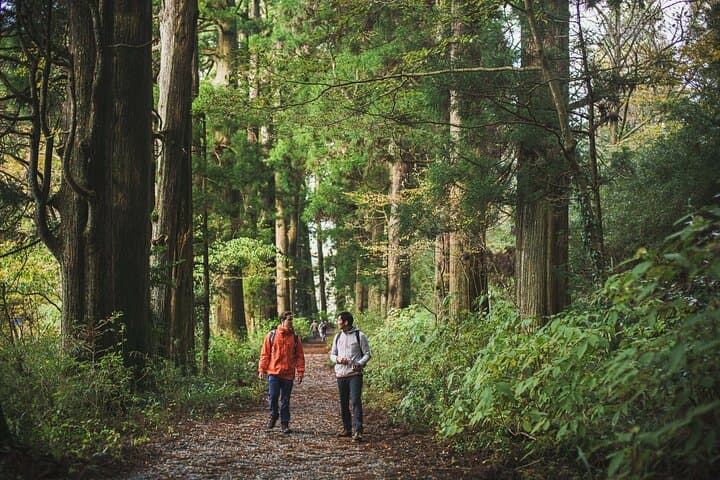
You step off the train into a valley where steam sighs from the earth and the lake holds a slow, reflective hush. The guide waits with a name board; within minutes you’re moving through cedar avenues that once marked the Tokaido, a route set by shoguns to link Tokyo and Kyoto. The air carries soot from volcanic vents and the soft scent of tea from a 400‑year family tea house where you’ll pause for amazake.
You step off the train into a valley where steam sighs from the earth and the lake holds a slow, reflective hush. The guide waits with a name board; within minutes you’re moving through cedar avenues that once marked the Tokaido, a route set by shoguns to link Tokyo and Kyoto. The air carries soot from volcanic vents and the soft scent of tea from a 400‑year family tea house where you’ll pause for amazake.
Hakone’s geology is loud and readable: sulfurous fumaroles at Owakudani, glacially scoured basins now filled by Lake Ashi, and ridgelines that frame Mt. Fuji on clear mornings. Cultural layers sit atop that geology—Hakone Shrine’s torii leaning toward the lake, imperial villas-turned-parks, and artisans keeping yosegi zaiku marquetry alive. Your certified local guide stitches these threads together, bringing folklore, shrine etiquette, and woodworking technique into a single day.
Expect a measured, customizable pace—short walks between sites, a possible ropeway ride above steam pits, and optional boat time on Lake Ashi. The tour is suitable for most fitness levels but involves standing, short stair sections, and uneven paths at shrines and garden sites. Practical planning: aim for clear weather to see Mt. Fuji, carry local cash, and allow time for soy‑based snacks and shrine rituals. Bring layers; mountain weather can cool quickly. The guide can arrange a private onsen if you choose—book that selection at reservation time. With the right gear and timing, Hakone delivers geology, history, and quiet moments—all translated by a guide who knows where the view and the story meet.