THE ADVENTURE COLLECTIVE® · Independent discovery and booking for outdoor travel

Take control of your day from Aswan with a private car and English-speaking driver—travel to Philae, Abu Simbel, Luxor or Hurghada on your schedule. Perfect for visitors who want comfort, flexibility, and scenic drives between Egypt’s most iconic sites.
Take control of your day from Aswan with a private car and English-speaking driver—travel to Philae, Abu Simbel, Luxor or Hurghada on your schedule. Perfect for visitors who want comfort, flexibility, and scenic drives between Egypt’s most iconic sites.
The sun slides above the Nile and the driver’s silhouette appears at your hotel door—this is how a day leaving Aswan often begins: a cool, air-conditioned car, a local driver with routes mapped by experience, and an open itinerary that you control.
Verified experiences and guided adventures in the surrounding area.
Operated by Eyes of Egypt · Aswan, Aswan Governorate
The sun slides above the Nile and the driver’s silhouette appears at your hotel door—this is how a day leaving Aswan often begins: a cool, air-conditioned car, a local driver with routes mapped by experience, and an open itinerary that you control.
This private transport service threads modern comfort through ancient landscapes. From the granite quarries and river bends of Aswan to the colossal temples at Abu Simbel, the route follows the layered history of Pharaonic engineering, Roman-era forts, and 20th‑century hydrological projects like the Aswan High Dam. Geologically the road crosses Nubian sandstone and desert pavements where wind has carved the horizon; culturally, villages and roadside stalls offer glimpses of Nubian life and crafts.
Expect long but scenic drives: Aswan–Abu Simbel is roughly 280 km (3–4 hours), Aswan–Luxor about 220–230 km (≈3 hours), and Aswan–Hurghada nearer to 350 km (4–5 hours). The service is transportation-only—entrance fees and licensed guides are separate—so plan your museum or temple time and permits in advance.
Practical guidance: start early (pickups often 5–7 AM), confirm any permits 24–48 hours ahead, and carry cash for tickets and roadside purchases. Bring sun protection, a refillable water bottle, and a neck pillow for long stretches; stop requests are welcomed and common. This option is ideal when you want control over timing and comfort while crossing some of Egypt’s most compelling historical ground.
easy.
8–9 hours.
Low physical demand overall; suitable for travelers who can tolerate multiple hours sitting with short bouts of walking at sites.
No—the service provides private transportation and a driver only. Licensed guides and site tickets must be arranged and paid for separately.
Abu Simbel is approximately 280 km from Aswan and typically takes about 3–4 hours each way by car, depending on stops and traffic.
Yes—the operator offers pickup from hotels, cruise docks, the train station, and the airport—specify your pickup point when booking.
Vehicles and service are noted as wheelchair accessible; confirm vehicle type and any special assistance needs when you book.
Aswan has been a strategic Nile crossing since antiquity; nearby temples and monuments reflect millennia of Egyptian, Nubian, and classical interactions.
High visitor volumes and road traffic can strain fragile desert and riverine environments—minimize waste, stick to marked areas, and use local providers who support community stewardship.
Eyes of Egypt operates guided outdoor trips and adventures with an emphasis on safety, stewardship, and memorable experiences.
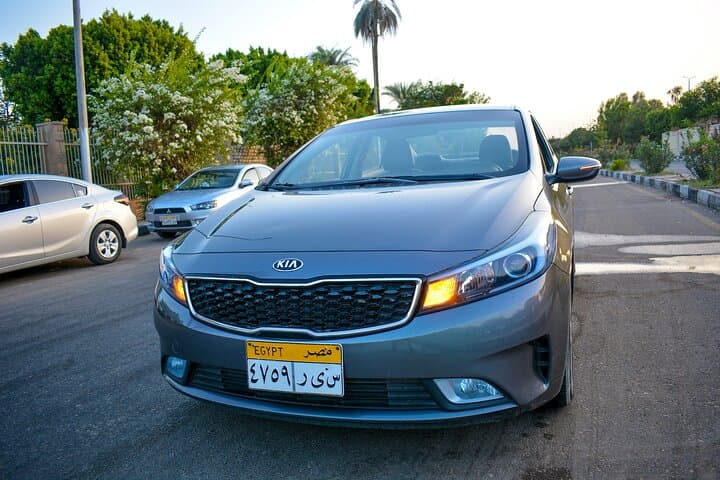
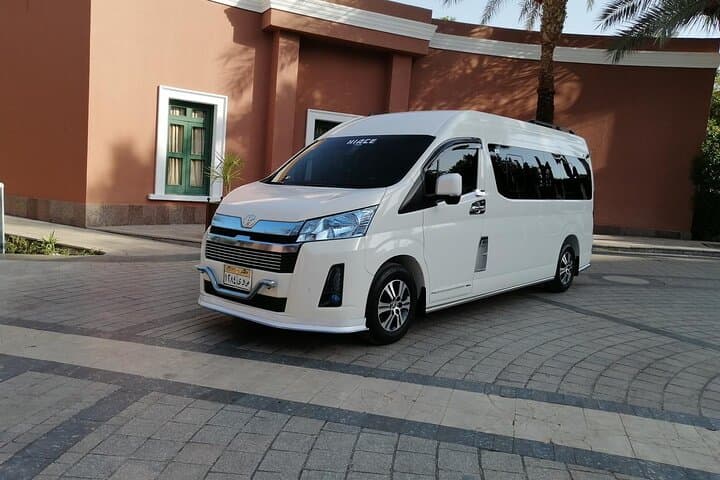
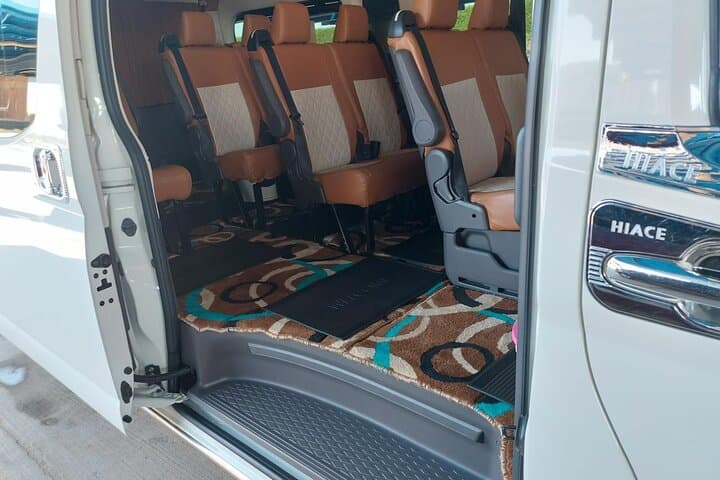
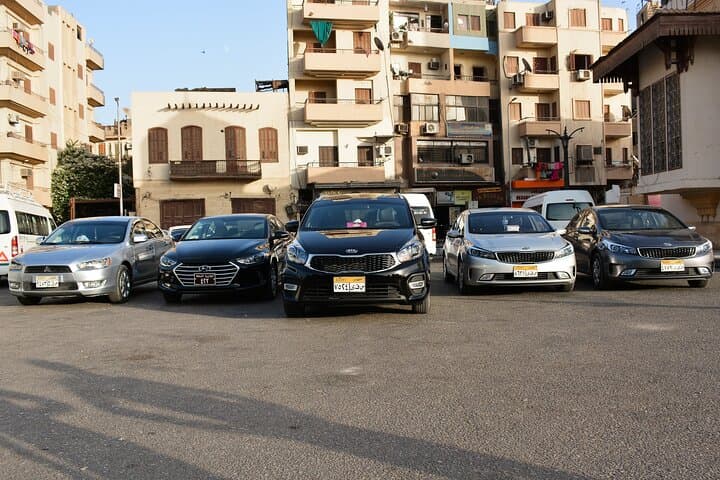
The sun slides above the Nile and the driver’s silhouette appears at your hotel door—this is how a day leaving Aswan often begins: a cool, air-conditioned car, a local driver with routes mapped by experience, and an open itinerary that you control.
The sun slides above the Nile and the driver’s silhouette appears at your hotel door—this is how a day leaving Aswan often begins: a cool, air-conditioned car, a local driver with routes mapped by experience, and an open itinerary that you control.
This private transport service threads modern comfort through ancient landscapes. From the granite quarries and river bends of Aswan to the colossal temples at Abu Simbel, the route follows the layered history of Pharaonic engineering, Roman-era forts, and 20th‑century hydrological projects like the Aswan High Dam. Geologically the road crosses Nubian sandstone and desert pavements where wind has carved the horizon; culturally, villages and roadside stalls offer glimpses of Nubian life and crafts.
Expect long but scenic drives: Aswan–Abu Simbel is roughly 280 km (3–4 hours), Aswan–Luxor about 220–230 km (≈3 hours), and Aswan–Hurghada nearer to 350 km (4–5 hours). The service is transportation-only—entrance fees and licensed guides are separate—so plan your museum or temple time and permits in advance.
Practical guidance: start early (pickups often 5–7 AM), confirm any permits 24–48 hours ahead, and carry cash for tickets and roadside purchases. Bring sun protection, a refillable water bottle, and a neck pillow for long stretches; stop requests are welcomed and common. This option is ideal when you want control over timing and comfort while crossing some of Egypt’s most compelling historical ground.