THE ADVENTURE COLLECTIVE® · Independent discovery and booking for outdoor travel

Explore Osaka on a private, customizable walking tour that blends iconic neighborhoods like Namba and Dotonbori with off-the-beaten-path food stops. Ideal for first-timers and repeat visitors wanting an insider’s route through the city’s culinary and cultural highlights.
Explore Osaka on a private, customizable walking tour that blends iconic neighborhoods like Namba and Dotonbori with off-the-beaten-path food stops. Ideal for first-timers and repeat visitors wanting an insider’s route through the city’s culinary and cultural highlights.
The neon of Dotonbori slashes through evening fog while a guide steers you toward a steaming takoyaki stall—this is Osaka in motion: loud, flavorful, and surprising at every turn.
Verified experiences and guided adventures in the surrounding area.
Operated by japan local and fun experiences · Osaka, Osaka Prefecture
The neon of Dotonbori slashes through evening fog while a guide steers you toward a steaming takoyaki stall—this is Osaka in motion: loud, flavorful, and surprising at every turn.
Start with the city’s living history: Shitenno-ji’s wooden gates and tiled roofs date back over a millennium, a quiet counterpoint to the buzzing arcades of Namba. Geology here is not dramatic—soft coastal plains of the Osaka Bay—yet the city’s layout reflects centuries of river trade and reclaimed land that turned Osaka into Japan’s commercial heart. Culture is felt through senses: merchants’ calls in Kuromon Market, the clang of hot plates at okonomiyaki shops, and the friendly bluntness of local banter.
A private, customizable walking tour gives you time to linger in Shinsekai’s retro streets, sample street food in Kuromon, and navigate Dotonbori’s canal-side promenades. Guides typically tailor route and pacing via a pre-tour questionnaire, and options run from brisk two-hour samplers to full-day explorations with hotel pickup for the four-hour choice.
Practical edge: wear broken-in walking shoes, carry a small umbrella (sudden rain is common), and bring cash for small stalls—many vendors prefer it. Use an IC transit card (ICOCA/Suica) for quick subway hops if you want to stray between neighborhoods. Aim for mornings or early evenings to avoid the heaviest crowds; midday in markets is best for food stalls. Keep an open schedule—the value of this tour is the guide’s local know-how, which turns everyday blocks into memorable discoveries.
easy.
2–8 hours.
Light to moderate—comfortable walking for several hours with regular stops; stairs and crowded sidewalks expected
Yes—this private tour is designed around your interests; guides can alter stops and pacing subject to time and local opening hours.
Tipping is not customary in Japan; excellent service is part of the experience—simply thank your guide and vendors.
Food purchases are generally not included; the guide will point out recommended stalls and restaurants and explain typical prices.
Some streets, markets, and shrines have steps or narrow sections; contact the provider ahead to confirm accessible routes or alternatives.
Osaka grew from a set of river ports into the Tokugawa-era trade hub nicknamed the “nation’s kitchen,” with sites like Shitenno-ji tracing roots back over 1,400 years.
High foot traffic concentrates impact in markets and narrow alleys—visit local vendors responsibly, minimize single-use plastics, and follow guides’ directions to protect fragile temple grounds.
japan local and fun experiences operates guided outdoor trips and adventures with an emphasis on safety, stewardship, and memorable experiences.
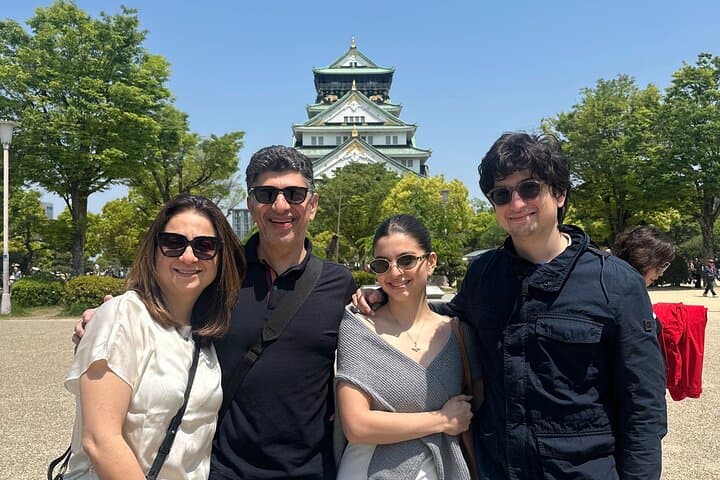

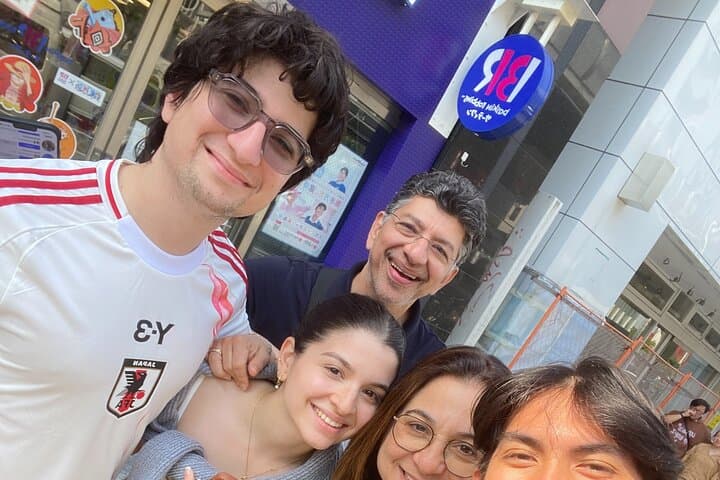
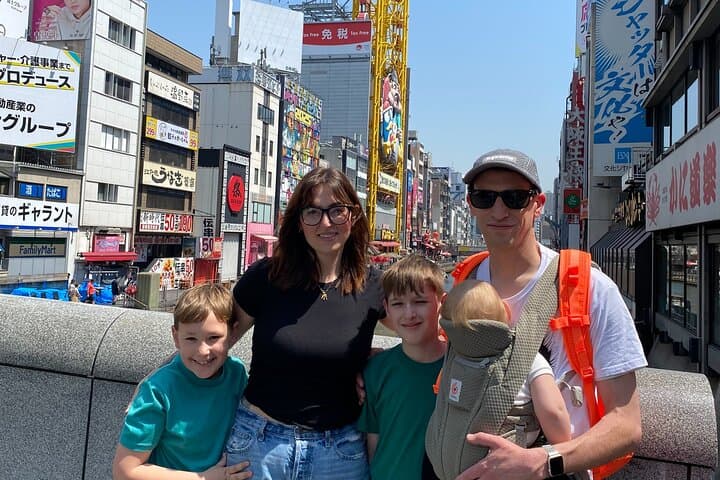
The neon of Dotonbori slashes through evening fog while a guide steers you toward a steaming takoyaki stall—this is Osaka in motion: loud, flavorful, and surprising at every turn.
The neon of Dotonbori slashes through evening fog while a guide steers you toward a steaming takoyaki stall—this is Osaka in motion: loud, flavorful, and surprising at every turn.
Start with the city’s living history: Shitenno-ji’s wooden gates and tiled roofs date back over a millennium, a quiet counterpoint to the buzzing arcades of Namba. Geology here is not dramatic—soft coastal plains of the Osaka Bay—yet the city’s layout reflects centuries of river trade and reclaimed land that turned Osaka into Japan’s commercial heart. Culture is felt through senses: merchants’ calls in Kuromon Market, the clang of hot plates at okonomiyaki shops, and the friendly bluntness of local banter.
A private, customizable walking tour gives you time to linger in Shinsekai’s retro streets, sample street food in Kuromon, and navigate Dotonbori’s canal-side promenades. Guides typically tailor route and pacing via a pre-tour questionnaire, and options run from brisk two-hour samplers to full-day explorations with hotel pickup for the four-hour choice.
Practical edge: wear broken-in walking shoes, carry a small umbrella (sudden rain is common), and bring cash for small stalls—many vendors prefer it. Use an IC transit card (ICOCA/Suica) for quick subway hops if you want to stray between neighborhoods. Aim for mornings or early evenings to avoid the heaviest crowds; midday in markets is best for food stalls. Keep an open schedule—the value of this tour is the guide’s local know-how, which turns everyday blocks into memorable discoveries.