THE ADVENTURE COLLECTIVE® · Independent discovery and booking for outdoor travel

Tailor four hours in Seoul with a local guide who can pair royal palaces, bustling markets, and hanok neighborhoods to your interests. Pick 2–4 stops to build a focused, walkable half-day that blends history, food, and urban culture.
Tailor four hours in Seoul with a local guide who can pair royal palaces, bustling markets, and hanok neighborhoods to your interests. Pick 2–4 stops to build a focused, walkable half-day that blends history, food, and urban culture.
Morning light over Gwanghwamun bleeds across stone gates and taxi cabs as a local guide meets you curbside, ready to shape four hours around the parts of Seoul you most want to see.
Verified experiences and guided adventures in the surrounding area.
Operated by Lee's Zest of Korea · Seoul, Seoul
Morning light over Gwanghwamun bleeds across stone gates and taxi cabs as a local guide meets you curbside, ready to shape four hours around the parts of Seoul you most want to see.
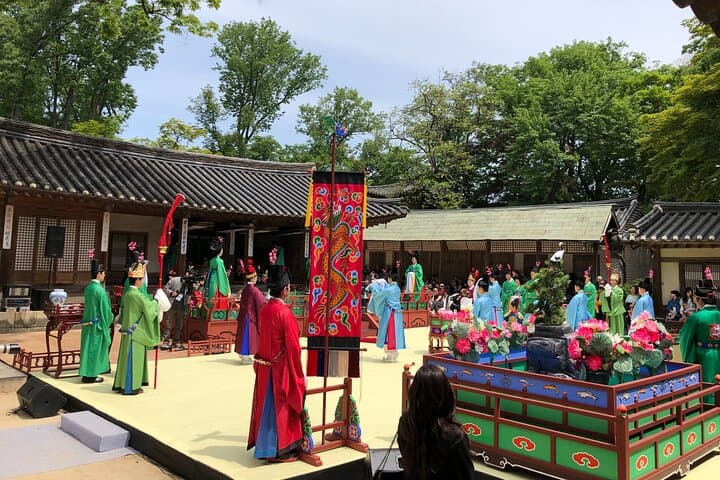
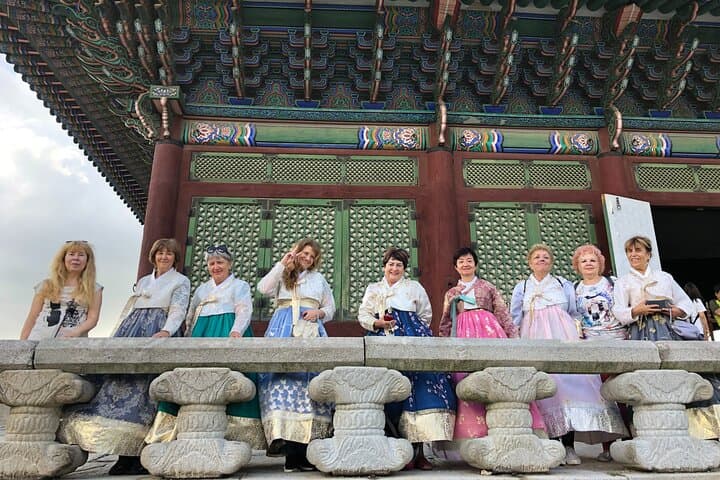
This half-day private tour threads modern avenues with Joseon-era palaces, hanok alleys, and crowded market stalls. The city sits on ancient granite outcrops beside the Han River; its low ridgelines—Namsan and the distant Bukhansan foothills—frame neighborhoods where wooden hanok roofs sit cheek-by-jowl with glass towers. Expect quick shifts in tempo: a reverent hour at Gyeongbokgung’s royal courtyards, the tactile chaos of Gwangjang Market, and a stroll through Bukchon’s narrow lanes lined with traditional houses.
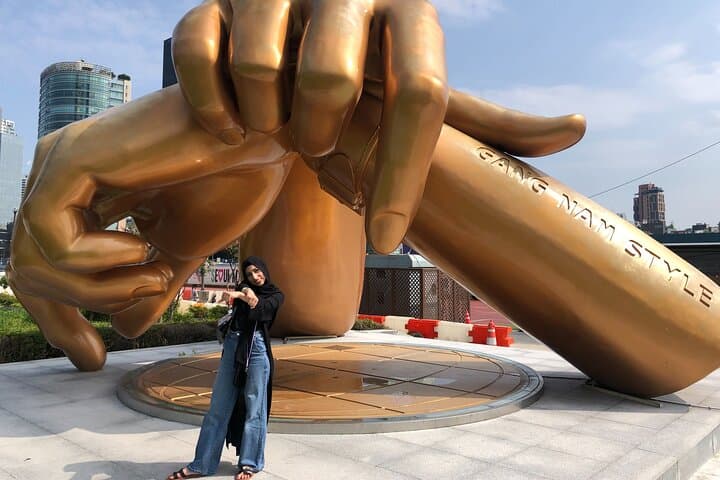
Culturally, the tour highlights Seoul’s layered history—from the Joseon dynasty courtcraft to modern design at the Dongdaemun Design Plaza—and offers a primer on Korea’s food culture via street snacks and market stalls.
Practically, choose 2–4 stops to keep walking manageable; most visits involve 15–40 minutes of on-foot exploration between sites. Wear sturdy walking shoes for cobbled alleys and palace steps, carry a small reusable bottle, and plan for public-transport segments or taxis between distant points. Guides typically speak fluent English and can arrange hotel meet-ups on request; entrance fees to highlighted palaces are usually separate. Peak times: arrive early at palaces to avoid crowds and mid-afternoon for markets. Hydrate, keep valuables secure in busy markets, and allow flexibility—Seoul’s urban rhythm moves fast, but a good local guide slows the best parts down long enough to notice them.
moderate.
4 hours.
Moderate—comfortable walking for several hours with short bursts of stairs and standing; suitable for travelers who can manage urban walking.
Entrance fees are usually not included; the guide can advise and help purchase tickets or direct you to ticket counters where required.
Yes—hotel meet-up can often be arranged on request; provide the pickup point during booking to coordinate timing.
Expect moderate walking—several short walks between sites and up to an hour of on-foot exploration at some stops; choose fewer sites to reduce walking.
The tour includes a fluent English-speaking guide who specializes in private VIP-style itineraries; other languages may be available on request.
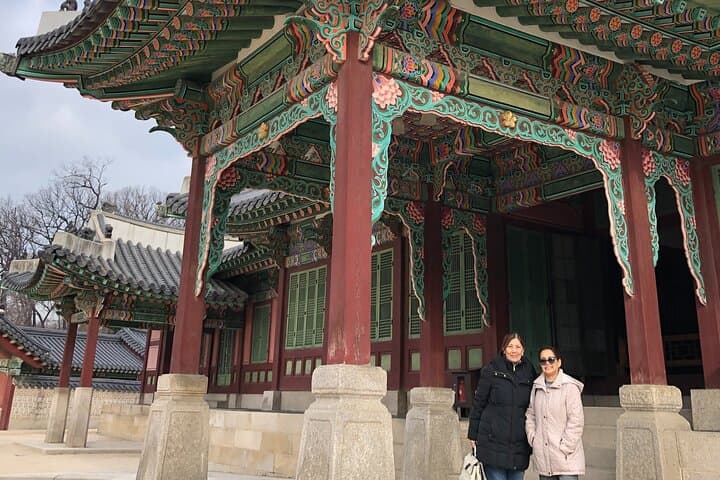
Seoul’s core grew during the Joseon dynasty; major palaces like Gyeongbokgung and Changdeokgung reflect royal court life and Confucian urban planning.
Seoul emphasizes public transit, green corridors along the Han River, and heritage preservation programs for hanok neighborhoods; visitors are encouraged to follow waste-separation rules and respect historic sites.
Lee's Zest of Korea operates guided outdoor trips and adventures with an emphasis on safety, stewardship, and memorable experiences.
Morning light over Gwanghwamun bleeds across stone gates and taxi cabs as a local guide meets you curbside, ready to shape four hours around the parts of Seoul you most want to see.
Morning light over Gwanghwamun bleeds across stone gates and taxi cabs as a local guide meets you curbside, ready to shape four hours around the parts of Seoul you most want to see.
This half-day private tour threads modern avenues with Joseon-era palaces, hanok alleys, and crowded market stalls. The city sits on ancient granite outcrops beside the Han River; its low ridgelines—Namsan and the distant Bukhansan foothills—frame neighborhoods where wooden hanok roofs sit cheek-by-jowl with glass towers. Expect quick shifts in tempo: a reverent hour at Gyeongbokgung’s royal courtyards, the tactile chaos of Gwangjang Market, and a stroll through Bukchon’s narrow lanes lined with traditional houses.
Culturally, the tour highlights Seoul’s layered history—from the Joseon dynasty courtcraft to modern design at the Dongdaemun Design Plaza—and offers a primer on Korea’s food culture via street snacks and market stalls.
Practically, choose 2–4 stops to keep walking manageable; most visits involve 15–40 minutes of on-foot exploration between sites. Wear sturdy walking shoes for cobbled alleys and palace steps, carry a small reusable bottle, and plan for public-transport segments or taxis between distant points. Guides typically speak fluent English and can arrange hotel meet-ups on request; entrance fees to highlighted palaces are usually separate. Peak times: arrive early at palaces to avoid crowds and mid-afternoon for markets. Hydrate, keep valuables secure in busy markets, and allow flexibility—Seoul’s urban rhythm moves fast, but a good local guide slows the best parts down long enough to notice them.