THE ADVENTURE COLLECTIVE® · Independent discovery and booking for outdoor travel

Customize a single-day exploration of Kyoto with a local guide who builds an itinerary around your interests—temples, torii gates, gardens or market culture. This private tour balances walking and transit to show the city’s cultural highlights with practical tips for timing, attire, and admissions.
Customize a single-day exploration of Kyoto with a local guide who builds an itinerary around your interests—temples, torii gates, gardens or market culture. This private tour balances walking and transit to show the city’s cultural highlights with practical tips for timing, attire, and admissions.
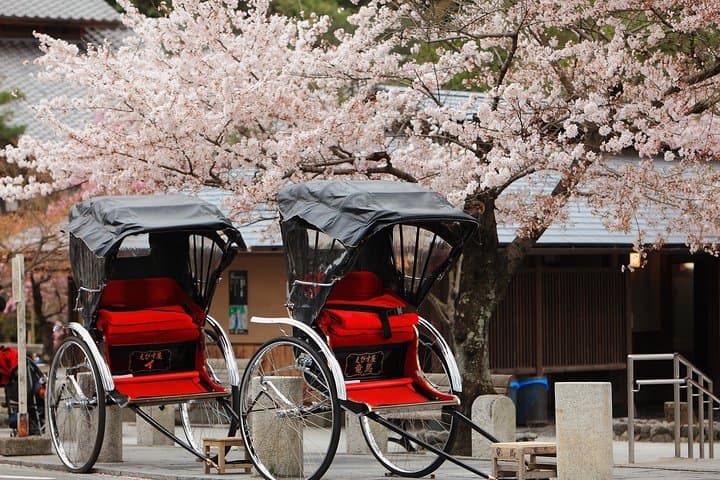
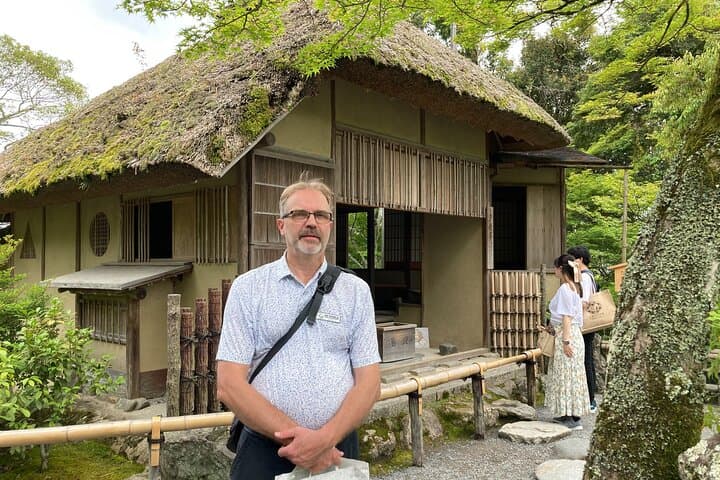
The morning air in Kyoto cuts clean along the Kamo River as your guide waits with a map and a plan shaped by your interests. Strolling past wooden machiya and lantern-lit side streets, the city reveals layers: a golden temple’s glint, a corridor of vermilion torii, and a quiet garden pond where carp circle like living coins.
Verified experiences and guided adventures in the surrounding area.
Operated by Venture · Kyoto, Kyoto Prefecture
The morning air in Kyoto cuts clean along the Kamo River as your guide waits with a map and a plan shaped by your interests. Strolling past wooden machiya and lantern-lit side streets, the city reveals layers: a golden temple’s glint, a corridor of vermilion torii, and a quiet garden pond where carp circle like living coins.
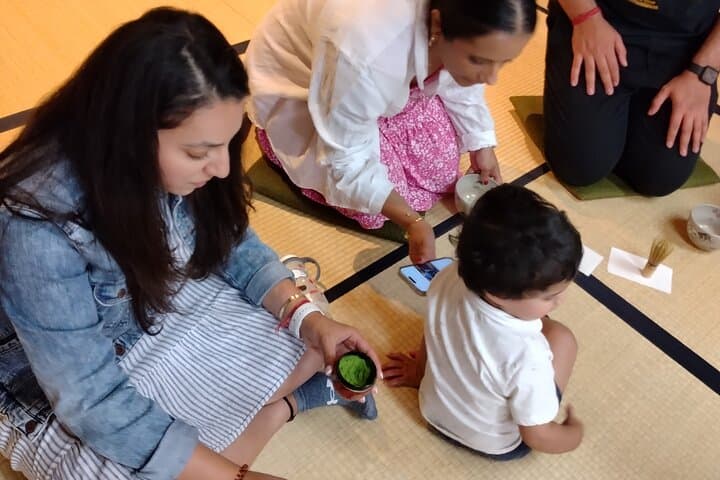
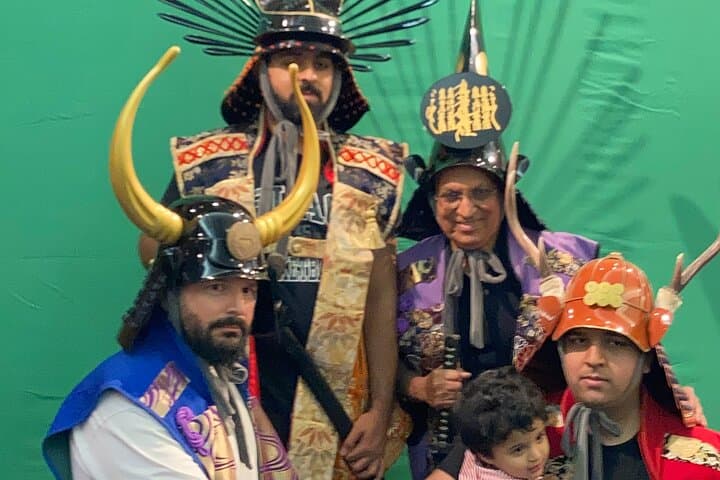
Kyoto was Japan’s imperial heart for over a thousand years; its streets are a record of court life, Buddhist practice, and samurai power. Geologically, the city sits on an alluvial plain hemmed by low mountains, which feed small rivers and create the ponded gardens that define many temples. Culturally, expect rituals—tea, bowing, silence—woven into everyday movement; your guide will translate those customs into context.
A private, customizable tour lets visitors choose intensity and focus: Zen temples and strolling gardens, the medieval castle precincts, Fushimi Inari’s torii tunnels, or neighborhood markets and craft shops. Because routes vary, walkers should be ready for urban pavements, temple stairs, and occasional narrow alleyways.
Practical guidance: book the tour for the day after arrival to manage jetlag; wear supportive shoes and bring a light rain layer. Many sites require modest dress and small admission fees—carry cash. Plan for 4 hours (half day) to 8 hours (full day) depending on interests; your guide can arrange transport by public transit or a private car for extra mobility. Aim to start early to avoid crowds at major shrines and leave time for unplanned discoveries—off-the-beaten-track shrines, a tea shop, or a quiet garden bench.
moderate.
4–8 hours.
Suitable for most fitness levels; be comfortable walking 3–7 miles with stairs and intermittent standing.
Not always—many temple entries and special activities require separate fees; your guide will indicate which admissions are extra.
Yes, but guides will contact you beforehand to design the best route; last-minute changes may be constrained by opening hours and transit time.
Hotel pickup and public-transport guided routes are included; private car service is available on request but may cost extra.
This listing provides an English-speaking guide; confirm availability of other languages when booking.
Kyoto served as Japan’s imperial capital from 794 to 1868 and preserves many UNESCO-listed temples and gardens from that era.
Respect temple rules, stay on designated paths, and support local businesses and artisans to help sustain Kyoto’s cultural landscape.
Venture operates guided outdoor trips and adventures with an emphasis on safety, stewardship, and memorable experiences.
The morning air in Kyoto cuts clean along the Kamo River as your guide waits with a map and a plan shaped by your interests. Strolling past wooden machiya and lantern-lit side streets, the city reveals layers: a golden temple’s glint, a corridor of vermilion torii, and a quiet garden pond where carp circle like living coins.
The morning air in Kyoto cuts clean along the Kamo River as your guide waits with a map and a plan shaped by your interests. Strolling past wooden machiya and lantern-lit side streets, the city reveals layers: a golden temple’s glint, a corridor of vermilion torii, and a quiet garden pond where carp circle like living coins.
Kyoto was Japan’s imperial heart for over a thousand years; its streets are a record of court life, Buddhist practice, and samurai power. Geologically, the city sits on an alluvial plain hemmed by low mountains, which feed small rivers and create the ponded gardens that define many temples. Culturally, expect rituals—tea, bowing, silence—woven into everyday movement; your guide will translate those customs into context.
A private, customizable tour lets visitors choose intensity and focus: Zen temples and strolling gardens, the medieval castle precincts, Fushimi Inari’s torii tunnels, or neighborhood markets and craft shops. Because routes vary, walkers should be ready for urban pavements, temple stairs, and occasional narrow alleyways.
Practical guidance: book the tour for the day after arrival to manage jetlag; wear supportive shoes and bring a light rain layer. Many sites require modest dress and small admission fees—carry cash. Plan for 4 hours (half day) to 8 hours (full day) depending on interests; your guide can arrange transport by public transit or a private car for extra mobility. Aim to start early to avoid crowds at major shrines and leave time for unplanned discoveries—off-the-beaten-track shrines, a tea shop, or a quiet garden bench.