THE ADVENTURE COLLECTIVE® · Independent discovery and booking for outdoor travel

Spend a flexible day exploring Bali with a private English-speaking driver who handles logistics while you choose the sights: rice terraces, sacred water temples, hidden waterfalls, and coastal viewpoints. Perfect for travelers who want local options and comfortable, air-conditioned transport.
Spend a flexible day exploring Bali with a private English-speaking driver who handles logistics while you choose the sights: rice terraces, sacred water temples, hidden waterfalls, and coastal viewpoints. Perfect for travelers who want local options and comfortable, air-conditioned transport.
The day begins before most cafés open: a compact, air-conditioned car idles at a hotel gate while a smiling English-speaking driver scans the guest list and maps a route around Bali’s congested arteries. As the city yields to green—paddy fields flattening into stepped terraces, temples rising out of ponds—the island’s rhythms shift. The driver becomes a quiet facilitator: opening doors, handling parking, and smoothing the inevitable logistics so visitors can focus on walking paths that wind between rice paddies, stepping stones across sacred springs, and shaded trails to waterfalls.
Verified experiences and guided adventures in the surrounding area.
Operated by BTA (Bali Tour and Activities) · Ubud, Bali
The day begins before most cafés open: a compact, air-conditioned car idles at a hotel gate while a smiling English-speaking driver scans the guest list and maps a route around Bali’s congested arteries. As the city yields to green—paddy fields flattening into stepped terraces, temples rising out of ponds—the island’s rhythms shift. The driver becomes a quiet facilitator: opening doors, handling parking, and smoothing the inevitable logistics so visitors can focus on walking paths that wind between rice paddies, stepping stones across sacred springs, and shaded trails to waterfalls.
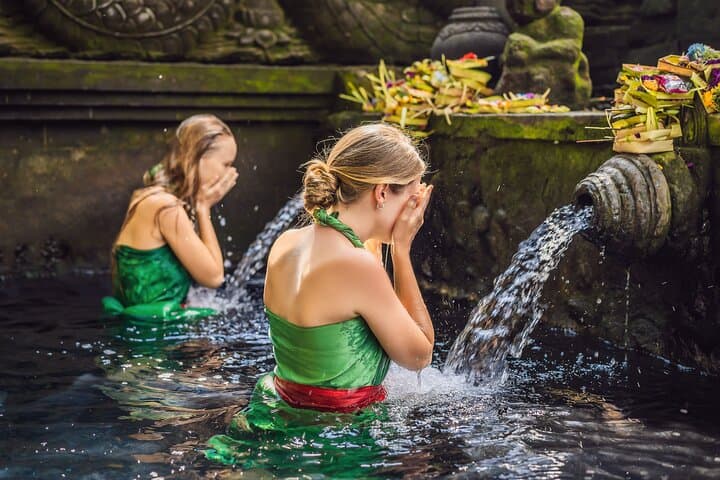
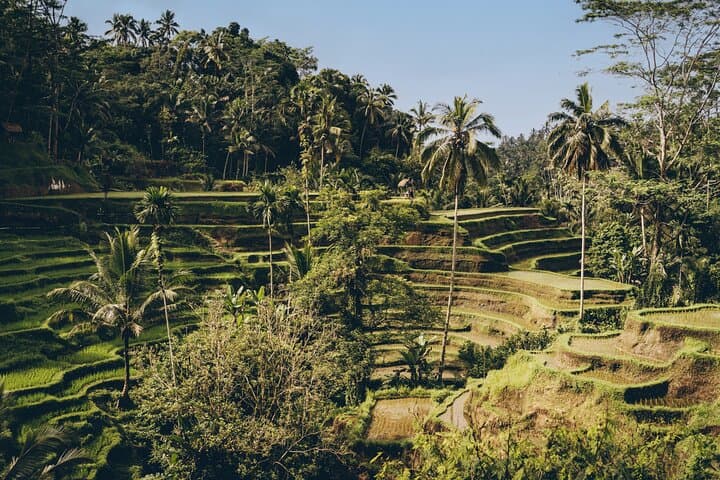
Bali is a living archive of Hindu practice and agrarian engineering. The subak irrigation system—centuries-old, community-run water management—still dictates the layout of terraces like Tegallalang, where stone paths slice the green into geometric waves. Temple sites such as Tirta Empul and Ulun Danu Beratan combine volcanic geology with ritual: springs and lakes fed by highland aquifers, temples placed where the land meets water, and offerings left at carved shrines.
Culture here is not a museum exhibit but public life: priests carrying canang offerings at dawn, farmers tending rice with hand tools, and macaques slipping through village courtyards looking for a coconut snack. Drivers are local fixers who can explain etiquette—how to wear a sarong for temple visits, where to remove shoes, and why licensed guides are required inside certain sanctuaries. Choosing a private, customizable tour means time is the traveler’s to spend: linger at a secluded waterfall, skip the busiest viewpoints, or prioritize early starts for iconic shots at Lempuyang’s gate.
Practicalities matter. Bali’s roads can stretch an hour between highlights; expect 8–10 hours in the vehicle with 2–4 sites comfortably visited. Bring cash—many rural entrances and warungs are cash-only—plus a lightweight sarong for temple visits and non-slip shoes for wet rocks. Hydration is essential in the tropics; bottled water is provided but refillable bottles are smarter for the environment.
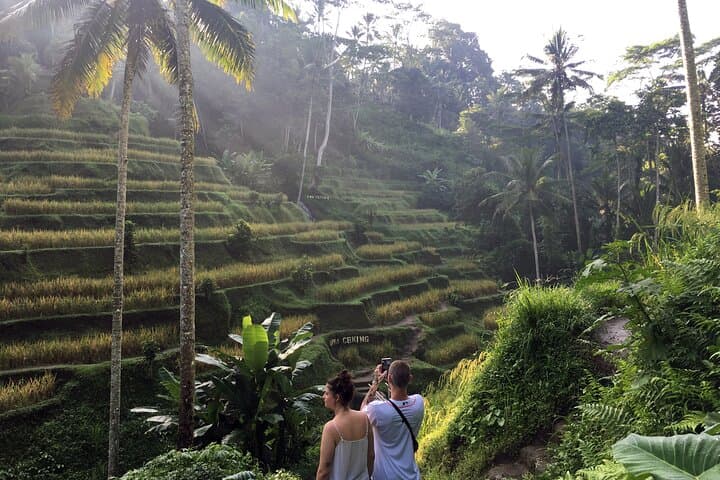
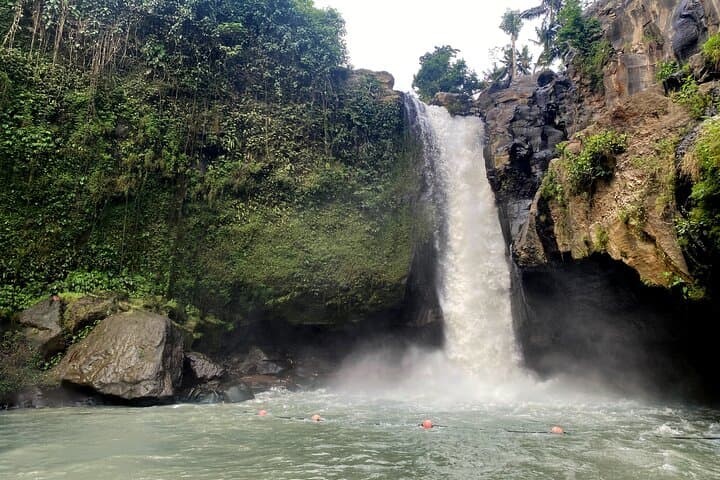
For photographers, early morning or late afternoon light softens terraces and temples; waterfalls glow when the sun hits mist. For quieter experiences, head inland early when Hindu rituals are being prepared and marketplaces are still active. Respect local customs: ask before photographing people, dress modestly at religious sites, and avoid feeding wildlife.
This private full-day option offers flexibility and local insight without sacrificing comfort—perfect for travelers who want to match Bali’s landscape to their own pace while supporting the small businesses and drivers who keep the island moving.
easy.
8–10 hours.
Light fitness required—short walks, some stairs and uneven paths; suitable for most travelers.
Yes—this is a private customizable tour; discuss your priorities with the driver when you meet and they’ll adjust stops within the agreed timeframe.
The listing notes bottled water and private transport are included; most entrance fees, meals, and local donations are paid on-site—bring cash.
Drivers provide local orientation but licensed guides are required inside some temple complexes; the driver can arrange a guide if you want in-depth cultural interpretation.
Tipping is appreciated though not mandatory—small tips for your driver and local guides or porters are common practice.
Infants are permitted but must sit on an adult’s lap; check accessibility for strollers as many sites have steps and uneven terrain.
The cancellation policy indicates travel continues in most conditions; some waterfalls or trails may be slippery—discuss safety options with your driver.
Bali’s subak irrigation system links village governance and agriculture; many terraces reflect centuries of cooperative water management tied to Hindu temple calendars.
Tourists should respect temple rules, avoid single‑use plastics, and support registered local drivers and small warungs to help the island’s communities and ecosystems.
BTA (Bali Tour and Activities) operates guided outdoor trips and adventures with an emphasis on safety, stewardship, and memorable experiences.
The day begins before most cafés open: a compact, air-conditioned car idles at a hotel gate while a smiling English-speaking driver scans the guest list and maps a route around Bali’s congested arteries. As the city yields to green—paddy fields flattening into stepped terraces, temples rising out of ponds—the island’s rhythms shift. The driver becomes a quiet facilitator: opening doors, handling parking, and smoothing the inevitable logistics so visitors can focus on walking paths that wind between rice paddies, stepping stones across sacred springs, and shaded trails to waterfalls.
The day begins before most cafés open: a compact, air-conditioned car idles at a hotel gate while a smiling English-speaking driver scans the guest list and maps a route around Bali’s congested arteries. As the city yields to green—paddy fields flattening into stepped terraces, temples rising out of ponds—the island’s rhythms shift. The driver becomes a quiet facilitator: opening doors, handling parking, and smoothing the inevitable logistics so visitors can focus on walking paths that wind between rice paddies, stepping stones across sacred springs, and shaded trails to waterfalls.
Bali is a living archive of Hindu practice and agrarian engineering. The subak irrigation system—centuries-old, community-run water management—still dictates the layout of terraces like Tegallalang, where stone paths slice the green into geometric waves. Temple sites such as Tirta Empul and Ulun Danu Beratan combine volcanic geology with ritual: springs and lakes fed by highland aquifers, temples placed where the land meets water, and offerings left at carved shrines.
Culture here is not a museum exhibit but public life: priests carrying canang offerings at dawn, farmers tending rice with hand tools, and macaques slipping through village courtyards looking for a coconut snack. Drivers are local fixers who can explain etiquette—how to wear a sarong for temple visits, where to remove shoes, and why licensed guides are required inside certain sanctuaries. Choosing a private, customizable tour means time is the traveler’s to spend: linger at a secluded waterfall, skip the busiest viewpoints, or prioritize early starts for iconic shots at Lempuyang’s gate.
Practicalities matter. Bali’s roads can stretch an hour between highlights; expect 8–10 hours in the vehicle with 2–4 sites comfortably visited. Bring cash—many rural entrances and warungs are cash-only—plus a lightweight sarong for temple visits and non-slip shoes for wet rocks. Hydration is essential in the tropics; bottled water is provided but refillable bottles are smarter for the environment.
For photographers, early morning or late afternoon light softens terraces and temples; waterfalls glow when the sun hits mist. For quieter experiences, head inland early when Hindu rituals are being prepared and marketplaces are still active. Respect local customs: ask before photographing people, dress modestly at religious sites, and avoid feeding wildlife.
This private full-day option offers flexibility and local insight without sacrificing comfort—perfect for travelers who want to match Bali’s landscape to their own pace while supporting the small businesses and drivers who keep the island moving.