THE ADVENTURE COLLECTIVE® · Independent discovery and booking for outdoor travel

Spend a carefully paced day exploring Napa and Sonoma with a private guide who designs an eight-hour route around your wine preferences. This tour blends lesser-known producers, classic estates, and local lunch stops into one customizable experience.
Spend a carefully paced day exploring Napa and Sonoma with a private guide who designs an eight-hour route around your wine preferences. This tour blends lesser-known producers, classic estates, and local lunch stops into one customizable experience.
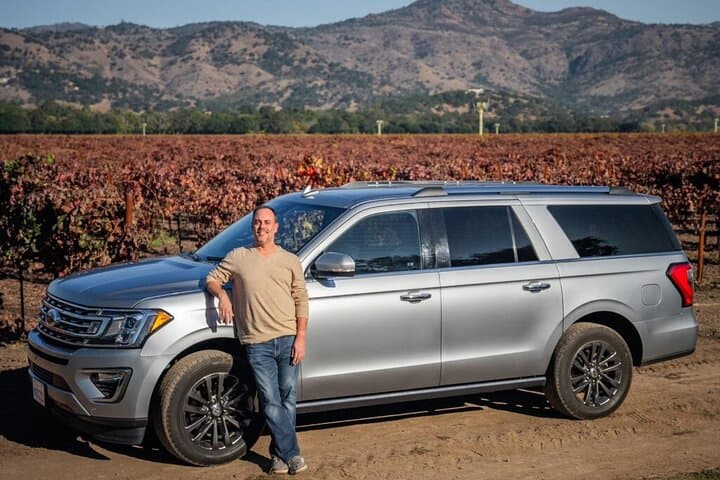
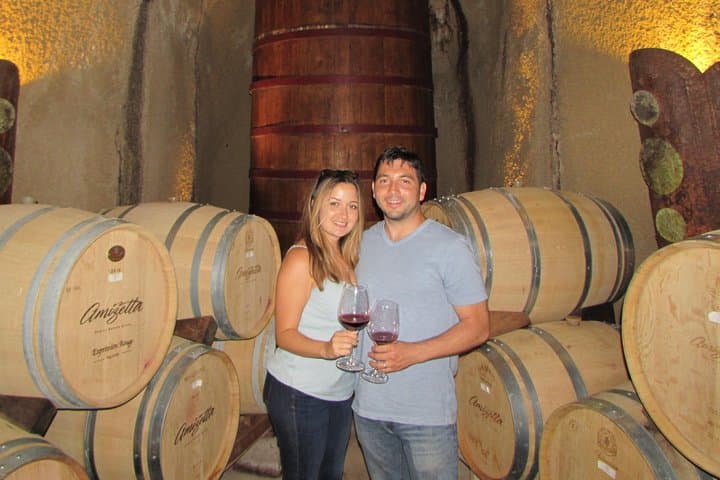
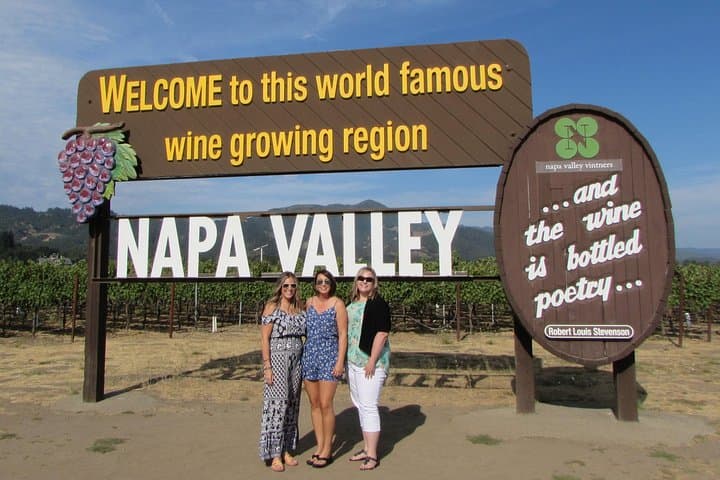
Morning light rides the low fog that slips through Napa Valley’s rows of vines, and your guide eases an SUV down a quiet county road. The day is intentionally slow: four tasting rooms, a relaxed lunch stop, and an itinerary built around the varieties you want to try. Conversation turns from vine to glass as you move from cooler-climate pinot plots to sun-warmed cabernet slopes.
Verified experiences and guided adventures in the surrounding area.
Operated by Bliss Wine Tours · Napa, California
Morning light rides the low fog that slips through Napa Valley’s rows of vines, and your guide eases an SUV down a quiet county road. The day is intentionally slow: four tasting rooms, a relaxed lunch stop, and an itinerary built around the varieties you want to try. Conversation turns from vine to glass as you move from cooler-climate pinot plots to sun-warmed cabernet slopes.
This region’s story reads in its soils and cellars. Napa and Sonoma split their reputations across alluvial benches, volcanic outcrops, and maritime-influenced valleys; those microclimates helped spark California’s modern wine revival after Prohibition and mid-20th-century reinvestment. Small family producers and experimental winemakers sit alongside established estates; many tasting rooms operate by appointment only, especially for curated private visits.
Expect a mix of tasting-room etiquette and practical logistics: reservations are standard, tasting fees can vary, and most private tours plan three to four stops plus lunch. Accessibility is increasingly common—many wineries are wheelchair friendly and the vehicle can accommodate strollers or mobility aids. The guide handles driving, local recommendations, and on-the-ground timing so you move efficiently between vineyards without feeling rushed.
Practical guidance: book with your varietal preferences and any mobility needs, confirm pickup within the 15‑mile service range, and plan for an eight-hour window that includes travel time between venues. Bring layers for morning fog and warmer midday sun, hydrate between tastings, and designate a tip for hospitality—good manners go a long way in wine country.
easy.
8 hours.
Suitable for all fitness levels; requires the ability to sit and step in/out of an SUV several times
Tasting fees vary by winery and are generally not included; the guide will recommend places that fit your budget and can often reserve fee waivers for purchases.
Yes; minors can ride on the tour but cannot participate in tastings—ask about family‑friendly winery stops if traveling with children.
The vehicle and many wineries are accessible, and guests can bring their own mobility devices; confirm specific accessibility needs when booking.
Full refund available if you cancel at least 24 hours before the scheduled departure; less than 24 hours is non‑refundable.
Napa and Sonoma evolved from 19th-century agricultural settlements into global wine regions after phylloxera recovery and post-Prohibition reinvestment reshaped vineyards and winemaking techniques.
Many growers practice sustainable viticulture and water-conscious irrigation; visitors are encouraged to respect signage, avoid trampling cover crops, and support producers with sustainable certifications.
Bliss Wine Tours operates guided outdoor trips and adventures with an emphasis on safety, stewardship, and memorable experiences.

Morning light rides the low fog that slips through Napa Valley’s rows of vines, and your guide eases an SUV down a quiet county road. The day is intentionally slow: four tasting rooms, a relaxed lunch stop, and an itinerary built around the varieties you want to try. Conversation turns from vine to glass as you move from cooler-climate pinot plots to sun-warmed cabernet slopes.
Morning light rides the low fog that slips through Napa Valley’s rows of vines, and your guide eases an SUV down a quiet county road. The day is intentionally slow: four tasting rooms, a relaxed lunch stop, and an itinerary built around the varieties you want to try. Conversation turns from vine to glass as you move from cooler-climate pinot plots to sun-warmed cabernet slopes.
This region’s story reads in its soils and cellars. Napa and Sonoma split their reputations across alluvial benches, volcanic outcrops, and maritime-influenced valleys; those microclimates helped spark California’s modern wine revival after Prohibition and mid-20th-century reinvestment. Small family producers and experimental winemakers sit alongside established estates; many tasting rooms operate by appointment only, especially for curated private visits.
Expect a mix of tasting-room etiquette and practical logistics: reservations are standard, tasting fees can vary, and most private tours plan three to four stops plus lunch. Accessibility is increasingly common—many wineries are wheelchair friendly and the vehicle can accommodate strollers or mobility aids. The guide handles driving, local recommendations, and on-the-ground timing so you move efficiently between vineyards without feeling rushed.
Practical guidance: book with your varietal preferences and any mobility needs, confirm pickup within the 15‑mile service range, and plan for an eight-hour window that includes travel time between venues. Bring layers for morning fog and warmer midday sun, hydrate between tastings, and designate a tip for hospitality—good manners go a long way in wine country.