THE ADVENTURE COLLECTIVE® · Independent discovery and booking for outdoor travel

Spend seven hours with a licensed guide exploring Hiroshima’s Peace Park and the tidal elegance of Miyajima. This private, customizable walking tour balances solemn history with coastal shrine culture and practical logistics for a focused day trip.
Spend seven hours with a licensed guide exploring Hiroshima’s Peace Park and the tidal elegance of Miyajima. This private, customizable walking tour balances solemn history with coastal shrine culture and practical logistics for a focused day trip.
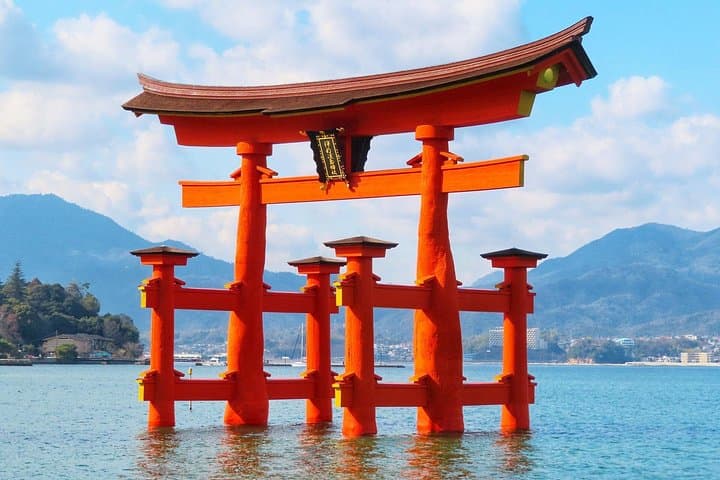
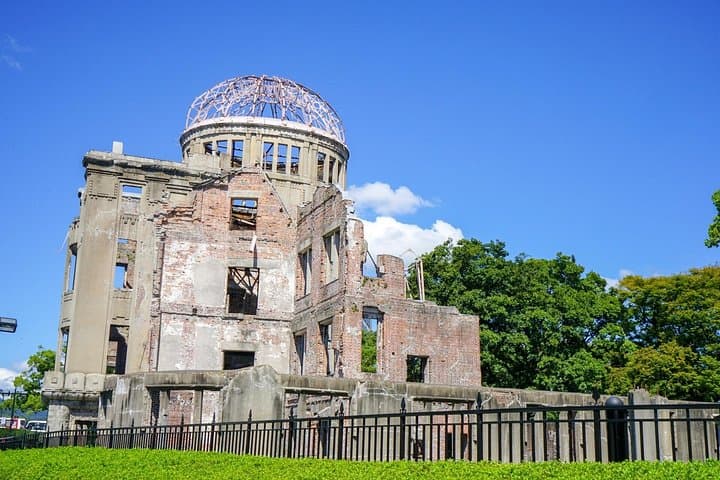
You step out beneath a pale morning sky on the banks of the Motoyasu River, the Atomic Bomb Dome’s skeletal curve holding a quiet gravity as the city wakes. A licensed guide leads the way through Hiroshima Peace Memorial Park, voices lowering as the ground itself keeps its story. Later the Seto Inland Sea opens like a slow-moving mirror as a short ferry ride carries you to Miyajima; the torii gate appears to rise from the water with each passing swell.
Verified experiences and guided adventures in the surrounding area.
Operated by MY Travel Consulting · Hiroshima, Hiroshima Prefecture
You step out beneath a pale morning sky on the banks of the Motoyasu River, the Atomic Bomb Dome’s skeletal curve holding a quiet gravity as the city wakes. A licensed guide leads the way through Hiroshima Peace Memorial Park, voices lowering as the ground itself keeps its story. Later the Seto Inland Sea opens like a slow-moving mirror as a short ferry ride carries you to Miyajima; the torii gate appears to rise from the water with each passing swell.
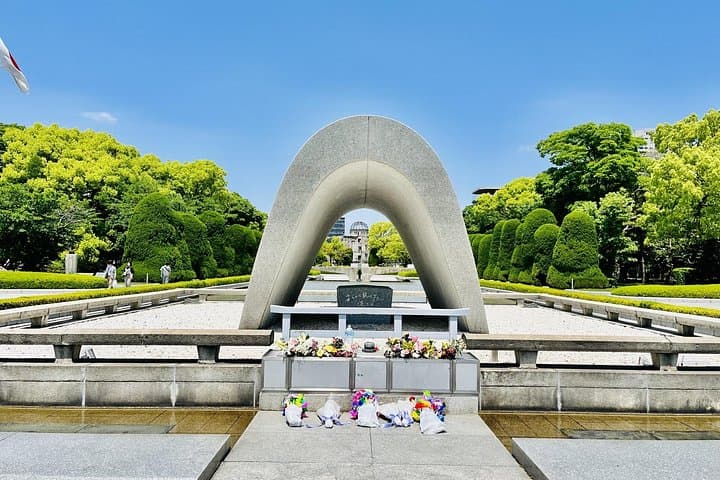
This route threads two different threads of history: Hiroshima’s modern past and Miyajima’s centuries-old Shinto presence. The Atomic Bomb Dome and Peace Memorial Museum present a factual, somber narrative of August 6, 1945, while Itsukushima Shrine — a UNESCO World Heritage site — showcases Heian-period architecture and coastal shrine-building adapted to tidal rhythms. Geologically, the island is an outcrop of volcanic and sedimentary rock sculpted by the Seto Inland Sea; Mount Misen’s trails give a quick taste of that terrain and sweeping sea views.
Expect largely paved city walking in Hiroshima, with short stair sections and tide-dependent viewpoints on Miyajima. The private format means the pace is yours: linger at museum exhibits, time photos of the torii at high or low tide, or add a Mount Misen ascent. Practical notes: bring a Suica/Pasmo or cash for small purchases, wear comfortable walking shoes, and plan for ferry schedules when moving between the island and the city. Morning start times avoid mid-afternoon crowds on Miyajima; your guide will handle admissions and logistics so you can focus on the experience.
moderate.
6–7 hours.
Moderately fit: comfortable walking for several hours, able to manage stairs and short hikes if adding Mount Misen.
The sample itinerary lists admission included for key sites, but confirm with your booking as the private tour can be tailored and some fees (like certain exhibits) may be extra.
The tour typically uses a short ferry ride from Miyajimaguchi — ferries run frequently and the crossing takes roughly 10 minutes; your guide will coordinate timings.
Children can join, and strollers are possible in many areas, but some shrine approaches and museum sections have stairs — mention mobility needs when booking so the guide can adapt the route.
This listing notes a National Licensed English-Speaking Guide; other languages may be available on request, so specify preferences when booking.
Hiroshima’s Peace Park preserves sites and artifacts from the 1945 atomic bombing; Itsukushima Shrine traces back to early medieval shrine-building and is a UNESCO World Heritage site.
Visitor management on Miyajima limits damage to tidal ecosystems and shrine structures; practice leave-no-trace and avoid feeding wildlife.
MY Travel Consulting operates guided outdoor trips and adventures with an emphasis on safety, stewardship, and memorable experiences.
You step out beneath a pale morning sky on the banks of the Motoyasu River, the Atomic Bomb Dome’s skeletal curve holding a quiet gravity as the city wakes. A licensed guide leads the way through Hiroshima Peace Memorial Park, voices lowering as the ground itself keeps its story. Later the Seto Inland Sea opens like a slow-moving mirror as a short ferry ride carries you to Miyajima; the torii gate appears to rise from the water with each passing swell.
You step out beneath a pale morning sky on the banks of the Motoyasu River, the Atomic Bomb Dome’s skeletal curve holding a quiet gravity as the city wakes. A licensed guide leads the way through Hiroshima Peace Memorial Park, voices lowering as the ground itself keeps its story. Later the Seto Inland Sea opens like a slow-moving mirror as a short ferry ride carries you to Miyajima; the torii gate appears to rise from the water with each passing swell.
This route threads two different threads of history: Hiroshima’s modern past and Miyajima’s centuries-old Shinto presence. The Atomic Bomb Dome and Peace Memorial Museum present a factual, somber narrative of August 6, 1945, while Itsukushima Shrine — a UNESCO World Heritage site — showcases Heian-period architecture and coastal shrine-building adapted to tidal rhythms. Geologically, the island is an outcrop of volcanic and sedimentary rock sculpted by the Seto Inland Sea; Mount Misen’s trails give a quick taste of that terrain and sweeping sea views.
Expect largely paved city walking in Hiroshima, with short stair sections and tide-dependent viewpoints on Miyajima. The private format means the pace is yours: linger at museum exhibits, time photos of the torii at high or low tide, or add a Mount Misen ascent. Practical notes: bring a Suica/Pasmo or cash for small purchases, wear comfortable walking shoes, and plan for ferry schedules when moving between the island and the city. Morning start times avoid mid-afternoon crowds on Miyajima; your guide will handle admissions and logistics so you can focus on the experience.