THE ADVENTURE COLLECTIVE® · Independent discovery and booking for outdoor travel

Drive Aruba your way on a 4-hour custom 4x4 jeep tour: lighthouse vistas, tide-carved natural pools, Ayo and Casibari rock climbs, and a local guide who tailors the route. Expect short hikes, rugged coastlines, and plenty of photo stops.
Drive Aruba your way on a 4-hour custom 4x4 jeep tour: lighthouse vistas, tide-carved natural pools, Ayo and Casibari rock climbs, and a local guide who tailors the route. Expect short hikes, rugged coastlines, and plenty of photo stops.
The wind takes hold of the island before you do — salt-scented gusts that scrub the skin and push the jeep along a coastline of limestone ribs. You start where most visitors do: a hotel pickup in Palm Beach or Oranjestad, hop into a rugged 4x4, and let the map dissolve into a string of stopping points chosen by you or the guide.
Verified experiences and guided adventures in the surrounding area.
Operated by Real Deal · Oranjestad, Aruba
The wind takes hold of the island before you do — salt-scented gusts that scrub the skin and push the jeep along a coastline of limestone ribs. You start where most visitors do: a hotel pickup in Palm Beach or Oranjestad, hop into a rugged 4x4, and let the map dissolve into a string of stopping points chosen by you or the guide.
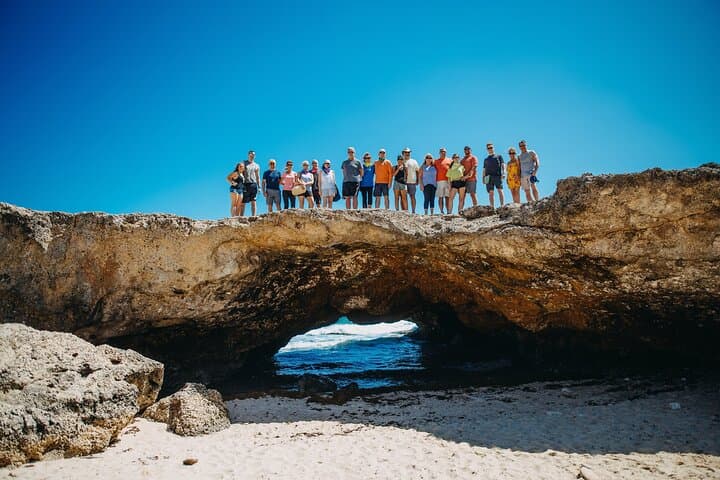
Over four hours the island moves at a snap-shut rhythm: lighthouse, old chapel, volcanic boulders, and a tidal pool carved from rock where the Caribbean waters dare you to climb down a wooden ladder and swim. The California Lighthouse squats on the northwest tip, its paint wind-roughened and its views sweeping the reef line; to the north, waves batter natural bridges until stone becomes lace. Inland, two hulking formations — Ayo and Casibari — rise like ancient guardians, their weathered boulders giving short, sharp climbs and panoramic rewards.
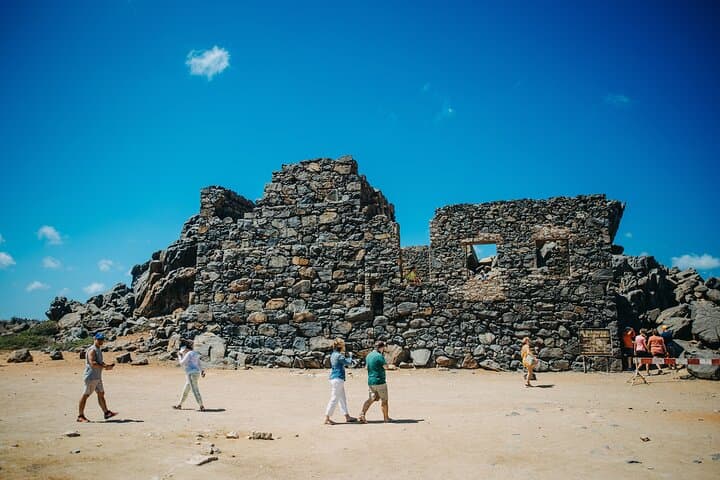
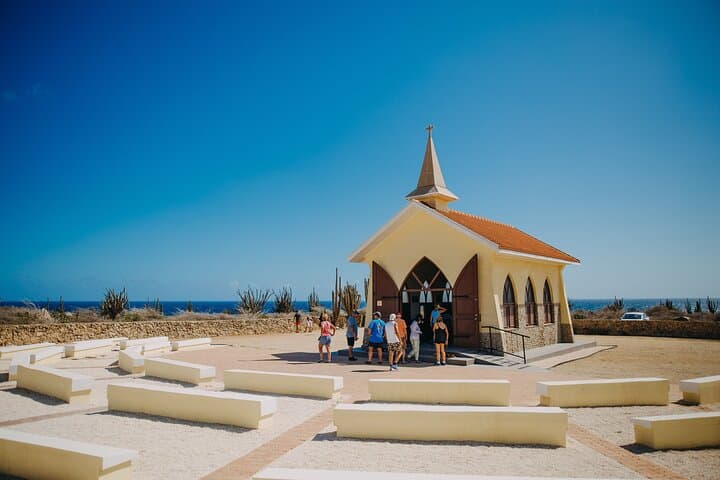
Aruba’s story is compact but layered. Spanish missionaries left the tiny yellow chapel in 1750; gold prospectors and a 19th-century wreck (the steamship California) mark chapters of extraction and accident. The geology is older: coral limestone and volcanic plugs sculpted by trade winds and constant surf, producing the island’s dramatic northern coast and the sheltered bays on the leeward side.
Culturally, Aruba is direct — a blend of Papiamento, Dutch, and Caribbean rhythms — and the guide’s local knowledge turns a drive into a primer: where to snap sunrise photos, which beaches hold turtles, and where a vendor sells the best pastechi. Practical planning is simple: tours run about four hours, drivers must be 25+ with a valid license to take the wheel, and most itineraries include pickup and drop-off from Palm Beach and Oranjestad hotels.
For the trip itself, keep it pragmatic. Bring a refillable water bottle and sunscreen, shoes that grip on rock, and a small towel if you plan to swim. The roads near the northern cliffs are rough and occasionally sandy; the jeep handles it, but short walks and low scrambles are common at viewpoint stops. Time your tour for morning or late afternoon light — heat and glare peak midday and the trade winds can whip up the surf on the north shore.
This is a do-it-your-way island loop: a mix of easy driving, a few short hikes (15–30 minutes), a ladder descent into a protected tide pool, and plenty of photo stops that reward curiosity and caution. With a local guide to navigate the backroads and an afternoon of trade winds and reef-edge views, the jeep tour feels less like sightseeing and more like a measured encounter with an island that moves in sun, salt, and stone.
moderate.
4 hours.
Moderate fitness: able to do brief walks, short rock scrambles, and climb a ladder into the tidal pool.
Yes — drivers must be 25 years or older and present a valid driver’s license to operate the rental jeep.
Yes — the tour notes that infants and small children can ride in a stroller; infant seats are also available on request.
Absolutely — the tour is designed to be flexible; tell the supplier your preferred destinations and they will tailor the 4-hour route where possible.
Yes — the Cave/Small Pool is a popular swim spot accessed by a ladder, but conditions depend on tide and surf so follow your guide’s advice.
Expect a mix: paved roads to many viewpoints, with some rough, sandy stretches and short off-road sections on the north coast accessible by 4x4.
You can receive a full refund if you cancel at least 24 hours before departure; the tour may also cancel for bad weather or insufficient travelers.
Aruba’s landscape carries colonial and extractive history: a 1750 Spanish chapel and 19th-century gold prospecting sites punctuate the island’s colonial-era past.
The north coast’s limestone formations and nearby reefs are fragile; stay on marked paths, avoid collecting shells, and use reef-safe products to reduce impact.
Real Deal operates guided outdoor trips and adventures with an emphasis on safety, stewardship, and memorable experiences.
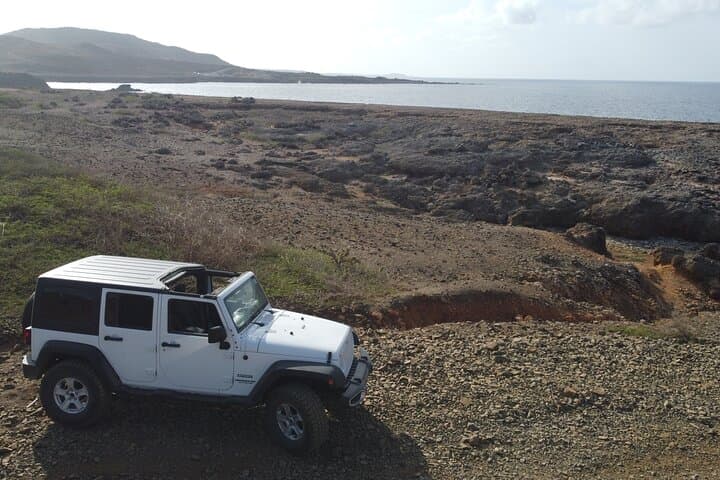
The wind takes hold of the island before you do — salt-scented gusts that scrub the skin and push the jeep along a coastline of limestone ribs. You start where most visitors do: a hotel pickup in Palm Beach or Oranjestad, hop into a rugged 4x4, and let the map dissolve into a string of stopping points chosen by you or the guide.
The wind takes hold of the island before you do — salt-scented gusts that scrub the skin and push the jeep along a coastline of limestone ribs. You start where most visitors do: a hotel pickup in Palm Beach or Oranjestad, hop into a rugged 4x4, and let the map dissolve into a string of stopping points chosen by you or the guide.
Over four hours the island moves at a snap-shut rhythm: lighthouse, old chapel, volcanic boulders, and a tidal pool carved from rock where the Caribbean waters dare you to climb down a wooden ladder and swim. The California Lighthouse squats on the northwest tip, its paint wind-roughened and its views sweeping the reef line; to the north, waves batter natural bridges until stone becomes lace. Inland, two hulking formations — Ayo and Casibari — rise like ancient guardians, their weathered boulders giving short, sharp climbs and panoramic rewards.
Aruba’s story is compact but layered. Spanish missionaries left the tiny yellow chapel in 1750; gold prospectors and a 19th-century wreck (the steamship California) mark chapters of extraction and accident. The geology is older: coral limestone and volcanic plugs sculpted by trade winds and constant surf, producing the island’s dramatic northern coast and the sheltered bays on the leeward side.
Culturally, Aruba is direct — a blend of Papiamento, Dutch, and Caribbean rhythms — and the guide’s local knowledge turns a drive into a primer: where to snap sunrise photos, which beaches hold turtles, and where a vendor sells the best pastechi. Practical planning is simple: tours run about four hours, drivers must be 25+ with a valid license to take the wheel, and most itineraries include pickup and drop-off from Palm Beach and Oranjestad hotels.
For the trip itself, keep it pragmatic. Bring a refillable water bottle and sunscreen, shoes that grip on rock, and a small towel if you plan to swim. The roads near the northern cliffs are rough and occasionally sandy; the jeep handles it, but short walks and low scrambles are common at viewpoint stops. Time your tour for morning or late afternoon light — heat and glare peak midday and the trade winds can whip up the surf on the north shore.
This is a do-it-your-way island loop: a mix of easy driving, a few short hikes (15–30 minutes), a ladder descent into a protected tide pool, and plenty of photo stops that reward curiosity and caution. With a local guide to navigate the backroads and an afternoon of trade winds and reef-edge views, the jeep tour feels less like sightseeing and more like a measured encounter with an island that moves in sun, salt, and stone.