THE ADVENTURE COLLECTIVE® · Independent discovery and booking for outdoor travel

Tailor three hours in Oaxaca to your interests — markets, mezcal, craft workshops, or colonial sights — led by a local guide who knows the city’s best stops. Ideal for first-time visitors who want context, shortcuts, and curated recommendations in a compact, private walk.
Tailor three hours in Oaxaca to your interests — markets, mezcal, craft workshops, or colonial sights — led by a local guide who knows the city’s best stops. Ideal for first-time visitors who want context, shortcuts, and curated recommendations in a compact, private walk.
You step out into the Plaza de la Constitución and the city answers: vendors calling, the scent of roasted corn and chiles, and a cathedral façade catching late-morning light. In three hours a local guide can shape that energy into a tightly focused walk — through mercados where moles simmer, into narrow streets of painted houses, or up to viewpoints that look over terraced hills.
Verified experiences and guided adventures in the surrounding area.
Operated by Free Tour Oaxaca · Oaxaca de Juárez, Oaxaca
You step out into the Plaza de la Constitución and the city answers: vendors calling, the scent of roasted corn and chiles, and a cathedral façade catching late-morning light. In three hours a local guide can shape that energy into a tightly focused walk — through mercados where moles simmer, into narrow streets of painted houses, or up to viewpoints that look over terraced hills.
Oaxaca sits in a high valley carved by tectonics and time. The region’s deep human history — Zapotec and Mixtec capitals like nearby Monte Albán — sits alongside Spanish colonial grids and living artisan neighborhoods. Geology shows in the basalt and volcanic tuff used in buildings and the ridgelines of the Sierra Madre del Sur that frame the city.
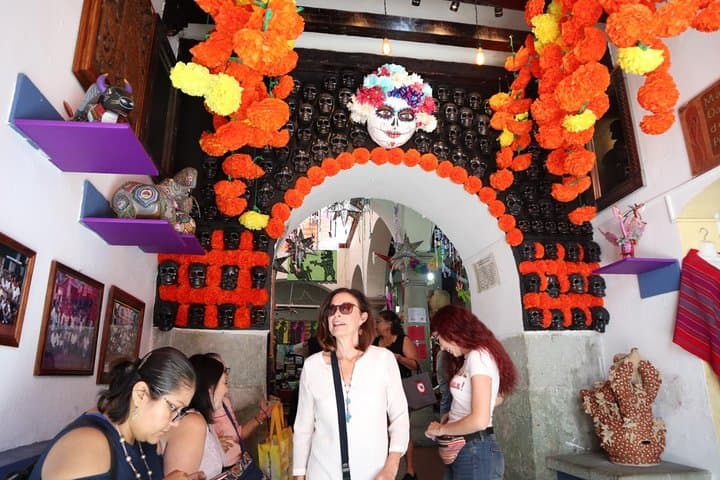
Culturally the city moves slowly: mezcal palenques smoke in the distance, woodcarvers and weavers keep generational techniques, and markets operate as public living rooms. A private, customizable tour gives you context and shortcuts — a guide who knows which stall has the best memela or which atelier accepts visitors without disturbing work.
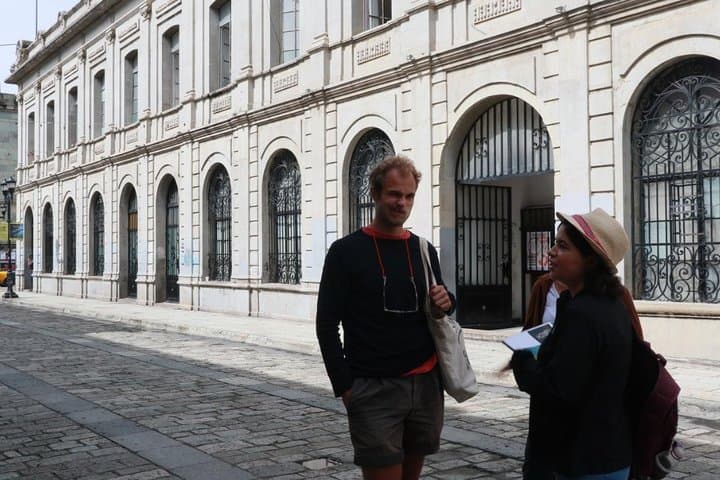
Practically, expect 2–4 km of walking on cobblestones at roughly 1,550 m elevation; comfortable shoes and water matter. Bring cash for small purchases and plan for a flexible itinerary — food tastings, market stops, artisan visits, or a quick drive to a nearby lookout can all fit in three hours. Morning light is best for photography and cooler temperatures; late afternoons deliver golden tones and an active street scene. Communicate preferences beforehand so the guide can prioritize food, history, crafts, or archaeology and maximize your three hours in Oaxaca.
easy.
3 hours.
Light walking ability; should be comfortable on uneven ground for a few kilometers
Yes — the tour is 100% customizable; tell your guide your priorities when booking and again at the start of the tour.
Yes — the route can be adapted for families and most sidewalks accept strollers, though some cobbled areas can be bumpy.
Admission fees are not included by default; your guide will advise in advance if a stop requires paid entry so you can bring cash or buy tickets online.
Expect 2–4 km on foot; short drives can be added to reach viewpoints or outskirts within the three-hour window if requested.
Oaxaca’s valley was a Zapotec heartland; Monte Albán, 10 km west, established elite rule well before the Spanish colonial grid reshaped the city.
Support artisan livelihoods by buying direct and avoid single-use plastics; many workshops are small businesses that benefit from respectful, informed visitors.
Free Tour Oaxaca operates guided outdoor trips and adventures with an emphasis on safety, stewardship, and memorable experiences.
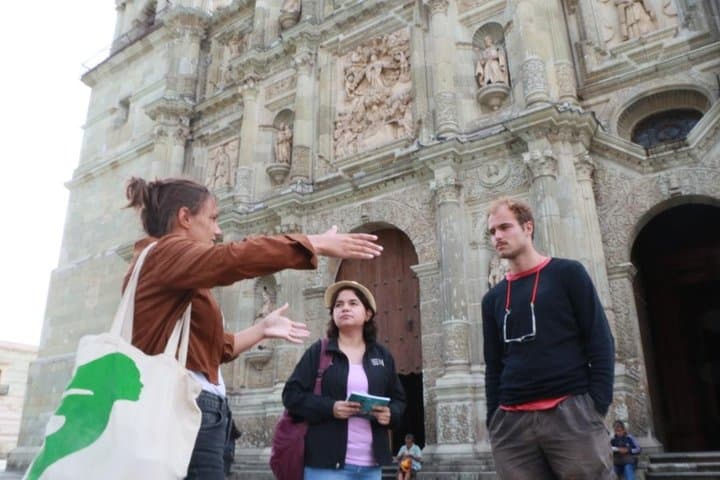

You step out into the Plaza de la Constitución and the city answers: vendors calling, the scent of roasted corn and chiles, and a cathedral façade catching late-morning light. In three hours a local guide can shape that energy into a tightly focused walk — through mercados where moles simmer, into narrow streets of painted houses, or up to viewpoints that look over terraced hills.
You step out into the Plaza de la Constitución and the city answers: vendors calling, the scent of roasted corn and chiles, and a cathedral façade catching late-morning light. In three hours a local guide can shape that energy into a tightly focused walk — through mercados where moles simmer, into narrow streets of painted houses, or up to viewpoints that look over terraced hills.
Oaxaca sits in a high valley carved by tectonics and time. The region’s deep human history — Zapotec and Mixtec capitals like nearby Monte Albán — sits alongside Spanish colonial grids and living artisan neighborhoods. Geology shows in the basalt and volcanic tuff used in buildings and the ridgelines of the Sierra Madre del Sur that frame the city.
Culturally the city moves slowly: mezcal palenques smoke in the distance, woodcarvers and weavers keep generational techniques, and markets operate as public living rooms. A private, customizable tour gives you context and shortcuts — a guide who knows which stall has the best memela or which atelier accepts visitors without disturbing work.
Practically, expect 2–4 km of walking on cobblestones at roughly 1,550 m elevation; comfortable shoes and water matter. Bring cash for small purchases and plan for a flexible itinerary — food tastings, market stops, artisan visits, or a quick drive to a nearby lookout can all fit in three hours. Morning light is best for photography and cooler temperatures; late afternoons deliver golden tones and an active street scene. Communicate preferences beforehand so the guide can prioritize food, history, crafts, or archaeology and maximize your three hours in Oaxaca.