THE ADVENTURE COLLECTIVE® · Independent discovery and booking for outdoor travel

Experience the high-Andean spectacle of Vinicunca—known as Rainbow Mountain—on a full-day trek from Cusco. This practical guide covers what to expect on trail, cultural context, and how to prepare for the altitude and weather.
Experience the high-Andean spectacle of Vinicunca—known as Rainbow Mountain—on a full-day trek from Cusco. This practical guide covers what to expect on trail, cultural context, and how to prepare for the altitude and weather.
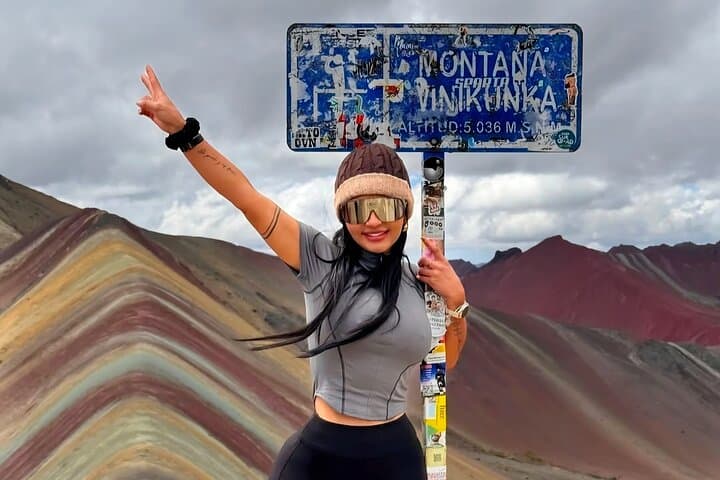
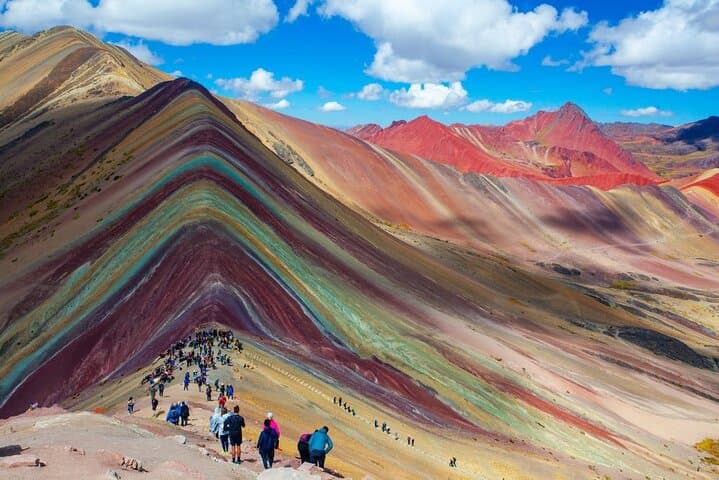
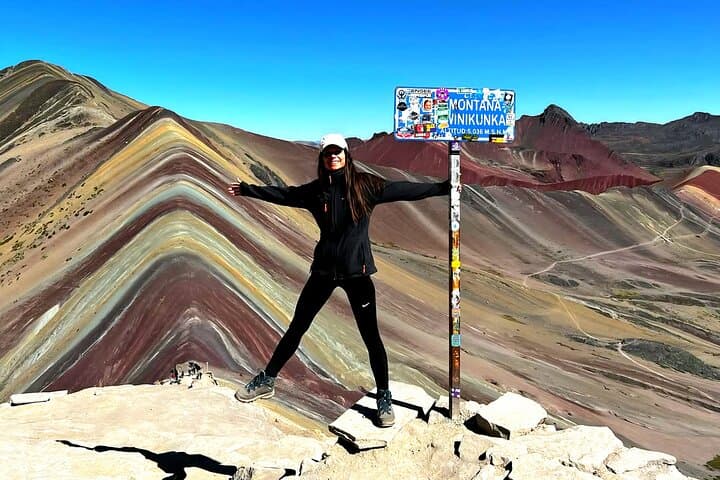
A thin morning light slices across the high Andean plain as the van climbs away from Cusco; cold air fills the windows and llamas dot the roadside like patient sentries. By midmorning the road gives way to a gravel trail and the mountain itself appears: bands of iron reds, clay golds and greenish copper that climb the slope in layers. The walk to Vinicunca feels elemental—sky, stone and breath—punctuated by yak-like bell tones and the distant presence of Apu Ausangate watching over the valley.
Verified experiences and guided adventures in the surrounding area.
Operated by Peru Wonderful Travel · Cusco, Cusco Region
A thin morning light slices across the high Andean plain as the van climbs away from Cusco; cold air fills the windows and llamas dot the roadside like patient sentries. By midmorning the road gives way to a gravel trail and the mountain itself appears: bands of iron reds, clay golds and greenish copper that climb the slope in layers. The walk to Vinicunca feels elemental—sky, stone and breath—punctuated by yak-like bell tones and the distant presence of Apu Ausangate watching over the valley.
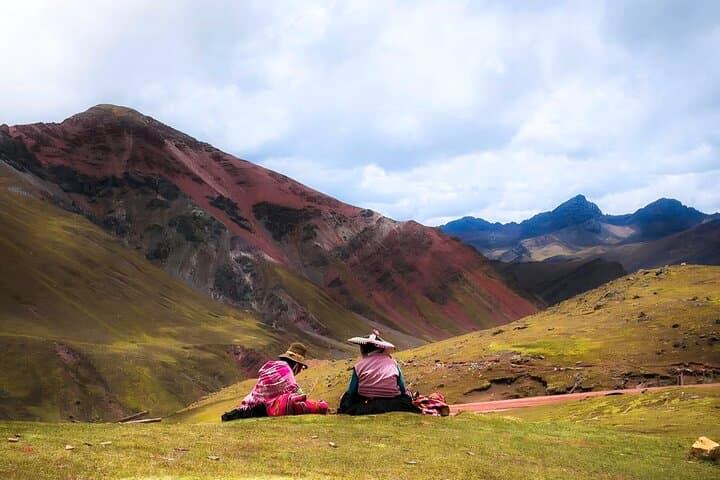
Geologically the stripes are the result of mineral deposits—iron, sulphur and other sediments laid down and exposed by glaciation and uplift. Culturally the area sits within Quechua-speaking communities who revere Ausangate as an Apu, a sacred mountain, and who raise llamas and alpacas on the puna grasslands. Visitors will pass simple shepherd trails, terraces and seasonal herding camps that speak to centuries of highland life.
Practically, expect a 3–6 km round-trip hike at extreme altitude (approaching 5,000 m / 16,400 ft). Trails are uneven, often muddy after rains, and weather changes fast—sun and wind in an hour can become sleet the next. Guides typically include hotel pickup, breakfast and lunch, plus oxygen and first aid; still, hydrate before you go, pace uphill to reduce altitude effects, and bring layers for wind and sun. Photography windows are brief—plan for early light and a slower descent to savor the views and the cultural exchange with local communities.
moderate.
10–12 hours (door-to-door).
Good aerobic fitness and experience with hiking at altitude recommended; expect steep sections and thin air.
The walk from the common trailhead is roughly 3–6 km round-trip depending on the route, with 1.5–2 hours uphill on many tours; total door-to-door time is about 10–12 hours.
Guides are recommended for logistics, local knowledge and altitude safety; the site is on rural land with established tour services that include transport and meals.
The dry season (May–September) offers clearer skies and firmer trails; the shoulder months can be quieter but weather is less predictable.
Physical strain and high altitude make it unsuitable for very young children and anyone with serious heart or respiratory conditions; consult a doctor if unsure.
The slopes around Vinicunca are part of a landscape long used by Quechua communities; Ausangate has been considered an Apu (sacred mountain) since pre-Columbian times.
High visitor numbers cause trail erosion and litter; stick to marked paths, hire local guides and consider small donations or purchases from community vendors to support local stewardship.
Peru Wonderful Travel operates guided outdoor trips and adventures with an emphasis on safety, stewardship, and memorable experiences.
A thin morning light slices across the high Andean plain as the van climbs away from Cusco; cold air fills the windows and llamas dot the roadside like patient sentries. By midmorning the road gives way to a gravel trail and the mountain itself appears: bands of iron reds, clay golds and greenish copper that climb the slope in layers. The walk to Vinicunca feels elemental—sky, stone and breath—punctuated by yak-like bell tones and the distant presence of Apu Ausangate watching over the valley.
A thin morning light slices across the high Andean plain as the van climbs away from Cusco; cold air fills the windows and llamas dot the roadside like patient sentries. By midmorning the road gives way to a gravel trail and the mountain itself appears: bands of iron reds, clay golds and greenish copper that climb the slope in layers. The walk to Vinicunca feels elemental—sky, stone and breath—punctuated by yak-like bell tones and the distant presence of Apu Ausangate watching over the valley.
Geologically the stripes are the result of mineral deposits—iron, sulphur and other sediments laid down and exposed by glaciation and uplift. Culturally the area sits within Quechua-speaking communities who revere Ausangate as an Apu, a sacred mountain, and who raise llamas and alpacas on the puna grasslands. Visitors will pass simple shepherd trails, terraces and seasonal herding camps that speak to centuries of highland life.
Practically, expect a 3–6 km round-trip hike at extreme altitude (approaching 5,000 m / 16,400 ft). Trails are uneven, often muddy after rains, and weather changes fast—sun and wind in an hour can become sleet the next. Guides typically include hotel pickup, breakfast and lunch, plus oxygen and first aid; still, hydrate before you go, pace uphill to reduce altitude effects, and bring layers for wind and sun. Photography windows are brief—plan for early light and a slower descent to savor the views and the cultural exchange with local communities.