THE ADVENTURE COLLECTIVE® · Independent discovery and booking for outdoor travel

An early-morning drive from Cusco leads to a high-altitude hike across alpaca pastures to Vinicunca (Rainbow Mountain). Expect exposed climbs to 5,020 m, vivid mineral bands, and a 360° alpine panorama—prepare for sun, wind, and thin air.
An early-morning drive from Cusco leads to a high-altitude hike across alpaca pastures to Vinicunca (Rainbow Mountain). Expect exposed climbs to 5,020 m, vivid mineral bands, and a 360° alpine panorama—prepare for sun, wind, and thin air.
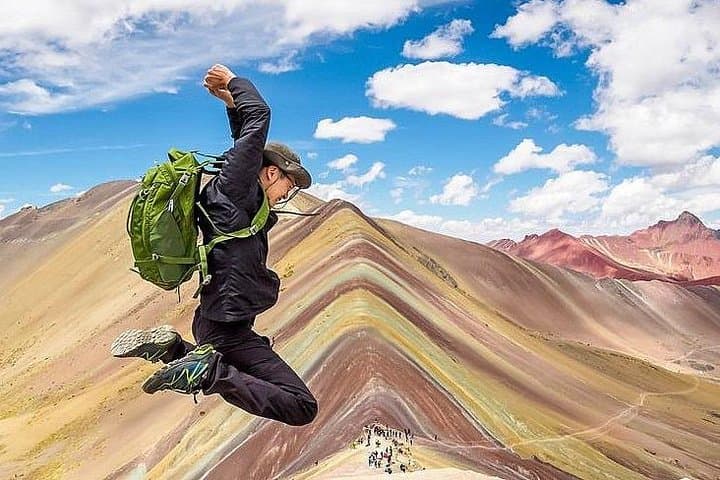
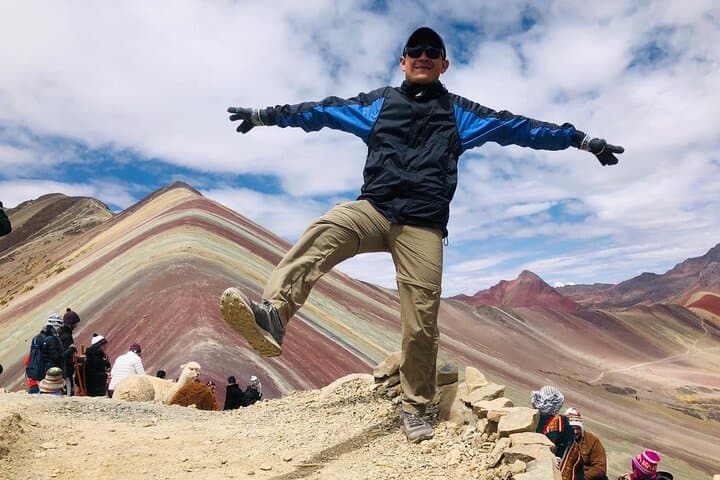
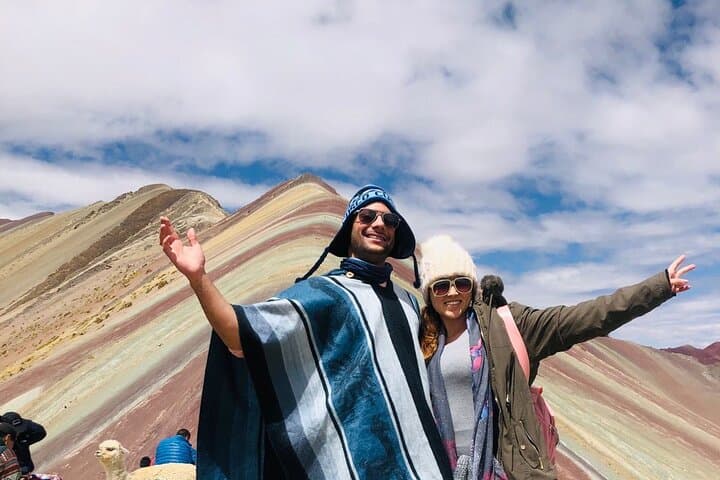
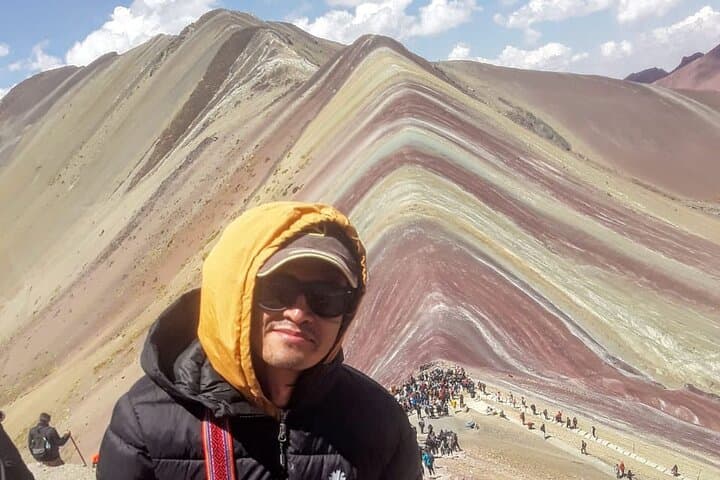
You leave Cusco before dawn, the van threading through silence and headlamps until the high valley lightens. Ausangate appears as a distant, snow-capped silhouette while the road climbs through thin air and herds of alpacas graze on red-tinged slopes. At Quesiuno (4,326 m) the trail begins—three hours of steady ascent, mostly exposed, with the colored bands of the peak appearing like a painted bruise on the earth as you approach.
Verified experiences and guided adventures in the surrounding area.
Operated by Machu Picchu Peru Agency · Cusco, Cusco Region
You leave Cusco before dawn, the van threading through silence and headlamps until the high valley lightens. Ausangate appears as a distant, snow-capped silhouette while the road climbs through thin air and herds of alpacas graze on red-tinged slopes. At Quesiuno (4,326 m) the trail begins—three hours of steady ascent, mostly exposed, with the colored bands of the peak appearing like a painted bruise on the earth as you approach.
Geology here is direct: mineral-rich layers (iron oxides, copper, and other sediments) uplifted and scoured by wind and glacial action form the stripes. The mountain sits within a cultural landscape shaped by Andean herding communities and the imposing Apu Ausangate, an object of local reverence and seasonal rituals. You’ll pass traditional stone houses and see textiles pegged out to dry; guides often point out how local livelihoods remain tied to altitudinal pastures.
Practical notes: expect thin air—5,020 m is high—and plan for strong sun, wind, and rapid temperature swings. The outing runs about 10–12 hours including drive time; the trek up is roughly 3 hours and descent about 2. Bring layered insulation, sun protection, plenty of fluids, and allow time at the viewpoint for photos and acclimatization. Trails are well-trodden but rocky and steep nearer the summit; trekking poles help.
Timing matters—start early to avoid afternoon storms and to see the colors in clear light. Respect local communities, stay on established paths, and carry out rubbish; the landscape recovers slowly at this altitude.
challenging.
10–12 hours.
Good aerobic fitness and prior hiking experience at altitude recommended; must be able to sustain steady uphill walking for ~3 hours.
The uphill section from Quesiuno takes about 3 hours with roughly 700–800 m (2,300–2,600 ft) of elevation gain to reach 5,020 m; the return down is ~2 hours.
Yes—spending at least 24–48 hours in Cusco or at altitude beforehand reduces the risk of acute mountain sickness and improves comfort on the climb.
Facilities are limited to community areas before and after the hike; expect no toilets on the higher trail—carry hand sanitizer and plan accordingly.
Some local operators offer horse rentals for parts of the ascent, but availability can vary; confirm with your provider in advance and note horses don’t guarantee altitude safety.
The peak sits within the Ausangate sacred landscape; local communities historically use these high pastures for seasonal herding and ritual offerings to the mountain (apu).
The fragile soils and sparse vegetation recover slowly; stick to marked paths, avoid single-use plastics, and support community-led conservation efforts when possible.
Machu Picchu Peru Agency operates guided outdoor trips and adventures with an emphasis on safety, stewardship, and memorable experiences.
You leave Cusco before dawn, the van threading through silence and headlamps until the high valley lightens. Ausangate appears as a distant, snow-capped silhouette while the road climbs through thin air and herds of alpacas graze on red-tinged slopes. At Quesiuno (4,326 m) the trail begins—three hours of steady ascent, mostly exposed, with the colored bands of the peak appearing like a painted bruise on the earth as you approach.
You leave Cusco before dawn, the van threading through silence and headlamps until the high valley lightens. Ausangate appears as a distant, snow-capped silhouette while the road climbs through thin air and herds of alpacas graze on red-tinged slopes. At Quesiuno (4,326 m) the trail begins—three hours of steady ascent, mostly exposed, with the colored bands of the peak appearing like a painted bruise on the earth as you approach.
Geology here is direct: mineral-rich layers (iron oxides, copper, and other sediments) uplifted and scoured by wind and glacial action form the stripes. The mountain sits within a cultural landscape shaped by Andean herding communities and the imposing Apu Ausangate, an object of local reverence and seasonal rituals. You’ll pass traditional stone houses and see textiles pegged out to dry; guides often point out how local livelihoods remain tied to altitudinal pastures.
Practical notes: expect thin air—5,020 m is high—and plan for strong sun, wind, and rapid temperature swings. The outing runs about 10–12 hours including drive time; the trek up is roughly 3 hours and descent about 2. Bring layered insulation, sun protection, plenty of fluids, and allow time at the viewpoint for photos and acclimatization. Trails are well-trodden but rocky and steep nearer the summit; trekking poles help.
Timing matters—start early to avoid afternoon storms and to see the colors in clear light. Respect local communities, stay on established paths, and carry out rubbish; the landscape recovers slowly at this altitude.