THE ADVENTURE COLLECTIVE® · Independent discovery and booking for outdoor travel

A full‑day hike from Cusco rewards determined trekkers with the surreal, banded slopes of Vinicunca. Expect a very early departure, high‑altitude effort to ~5,100 m, and sweeping views of the Vilcanota range.
A full‑day hike from Cusco rewards determined trekkers with the surreal, banded slopes of Vinicunca. Expect a very early departure, high‑altitude effort to ~5,100 m, and sweeping views of the Vilcanota range.
Dawn in the high Andes casts a cold, thin light across the plateau as a shuttle peels out of Cusco and works its way toward Pitumarca. By the time walkers step onto the trail near Phulawasipata the air is already daring your lungs — thin, bright, and honest. The ascent to Vinicunca (the Mountain of Seven Colors) climbs roughly 1 hour 45 minutes to 2 hours one way, topping out near 5,100–5,200 m with panoramic views of the Vilcanota chain.
Verified experiences and guided adventures in the surrounding area.
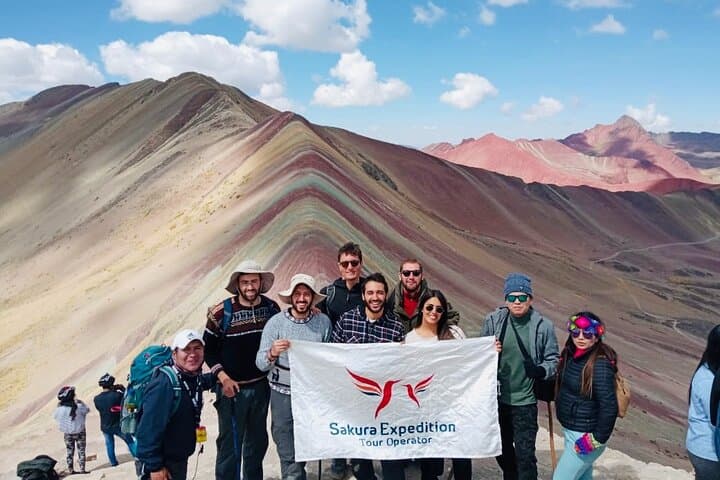
Operated by Sakura Expedition · Cusco, Cusco Region
Dawn in the high Andes casts a cold, thin light across the plateau as a shuttle peels out of Cusco and works its way toward Pitumarca. By the time walkers step onto the trail near Phulawasipata the air is already daring your lungs — thin, bright, and honest. The ascent to Vinicunca (the Mountain of Seven Colors) climbs roughly 1 hour 45 minutes to 2 hours one way, topping out near 5,100–5,200 m with panoramic views of the Vilcanota chain.
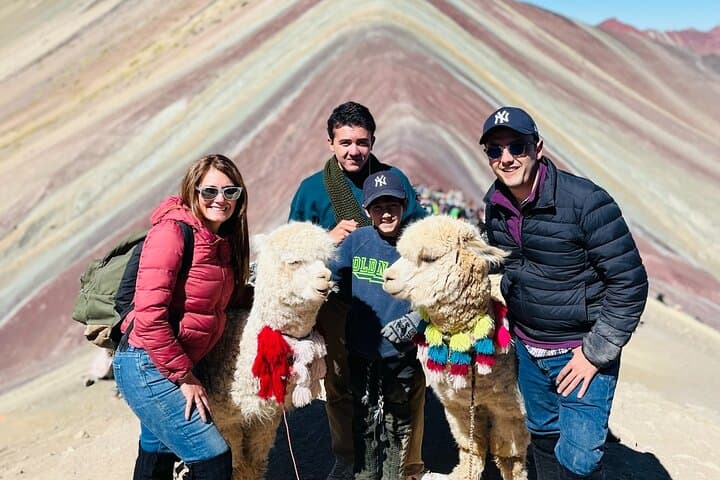
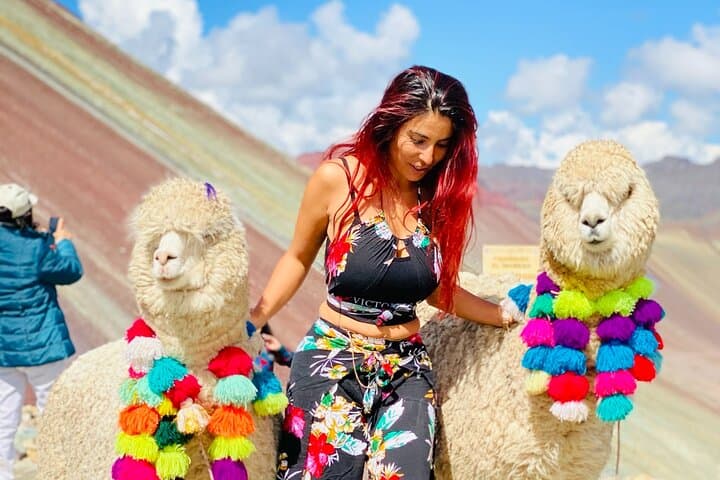
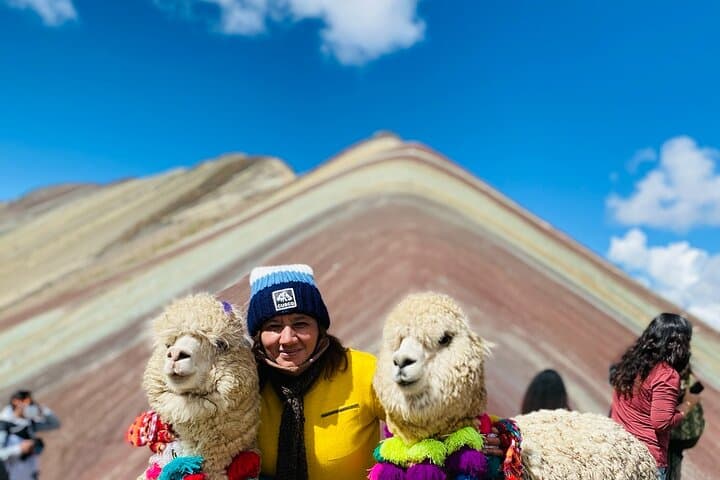
Geology and local history are visible in the mountain itself: layered mineral bands of iron oxides, copper, sulphur and quartz were lifted by tectonic action and exposed by erosion and the retreat of ancient ice. The area is part of a living cultural landscape — Quechua herders and their camelids move through the same passes, and small communities around Cusipata still wear traditional dress and maintain high‑altitude grazing practices.
Practical guidance is straightforward. Expect an early 4:00 am pickup, roughly 3 hours of driving total, and a full‑day itinerary that includes breakfast, a guided interpretive stop at the summit, and a buffet lunch in Cusipata. Acclimatization matters more than pace: allow at least 48 hours in Cusco before attempting the hike. Footing is rocky and exposed to sun and wind; guide‑led groups often provide walking canes, but bring your own trekking poles if you rely on them. Hydrate, layer for rapid temperature swings, and budget time for photos and rest on the descent.
The mountain’s colors are spectacular but fragile — follow the trail, respect local communities, and plan for weather that can change suddenly at altitude.
challenging.
12–14 hours.
Good cardiovascular fitness and prior exposure to high altitude recommended; expect steep, sustained uphill sections.
The summit sits around 5,100–5,200 m; altitude can cause headaches, nausea or dizziness — allow time in Cusco to acclimatize and descend if symptoms worsen.
Expect about 1 hour 45 minutes to 2 hours to ascend from the trailhead and roughly the same time to descend; total hiking time ~4 hours including breaks.
The dry season, roughly May through November, offers the most stable weather and clearer views; afternoons can still produce clouds at altitude.
Local operators often provide ecological canes; during busy seasons horses may be available locally but check with the operator ahead of time for availability and suitability.
Sediments once deposited in ocean basins were uplifted by Andean tectonics and later scoured by glaciers; local Quechua communities have grazed these altiplano pastures for centuries.
The site is sensitive to erosion and trampling; stay on designated trails, avoid collecting mineral samples, and minimize waste to protect high‑altitude soils.
Sakura Expedition operates guided outdoor trips and adventures with an emphasis on safety, stewardship, and memorable experiences.
Dawn in the high Andes casts a cold, thin light across the plateau as a shuttle peels out of Cusco and works its way toward Pitumarca. By the time walkers step onto the trail near Phulawasipata the air is already daring your lungs — thin, bright, and honest. The ascent to Vinicunca (the Mountain of Seven Colors) climbs roughly 1 hour 45 minutes to 2 hours one way, topping out near 5,100–5,200 m with panoramic views of the Vilcanota chain.
Dawn in the high Andes casts a cold, thin light across the plateau as a shuttle peels out of Cusco and works its way toward Pitumarca. By the time walkers step onto the trail near Phulawasipata the air is already daring your lungs — thin, bright, and honest. The ascent to Vinicunca (the Mountain of Seven Colors) climbs roughly 1 hour 45 minutes to 2 hours one way, topping out near 5,100–5,200 m with panoramic views of the Vilcanota chain.
Geology and local history are visible in the mountain itself: layered mineral bands of iron oxides, copper, sulphur and quartz were lifted by tectonic action and exposed by erosion and the retreat of ancient ice. The area is part of a living cultural landscape — Quechua herders and their camelids move through the same passes, and small communities around Cusipata still wear traditional dress and maintain high‑altitude grazing practices.
Practical guidance is straightforward. Expect an early 4:00 am pickup, roughly 3 hours of driving total, and a full‑day itinerary that includes breakfast, a guided interpretive stop at the summit, and a buffet lunch in Cusipata. Acclimatization matters more than pace: allow at least 48 hours in Cusco before attempting the hike. Footing is rocky and exposed to sun and wind; guide‑led groups often provide walking canes, but bring your own trekking poles if you rely on them. Hydrate, layer for rapid temperature swings, and budget time for photos and rest on the descent.
The mountain’s colors are spectacular but fragile — follow the trail, respect local communities, and plan for weather that can change suddenly at altitude.