THE ADVENTURE COLLECTIVE® · Independent discovery and booking for outdoor travel

An early-morning drive from Cusco delivers you to the high pampas, where a short, steep hike rewards you with sweeping 360° views of Vinicunca’s painted ridges. Prepare for altitude, strong sun, and a full-day outing through Andean landscapes and Quechua communities.
An early-morning drive from Cusco delivers you to the high pampas, where a short, steep hike rewards you with sweeping 360° views of Vinicunca’s painted ridges. Prepare for altitude, strong sun, and a full-day outing through Andean landscapes and Quechua communities.
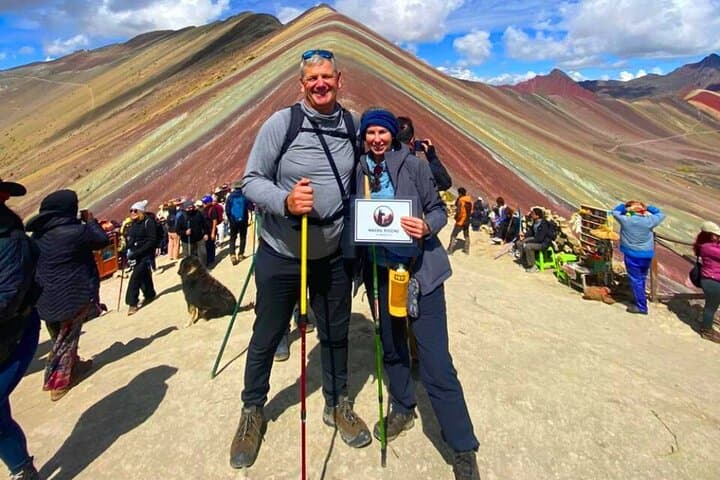
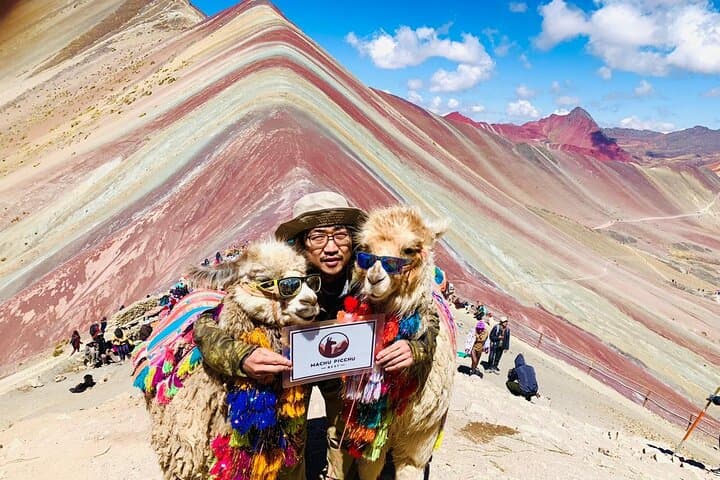
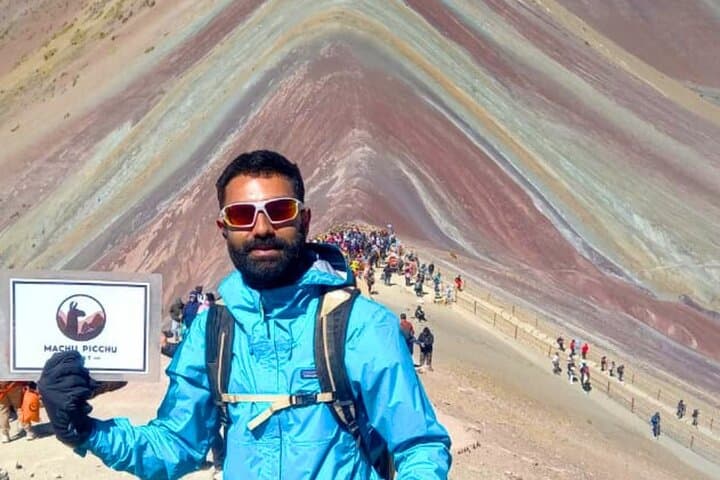
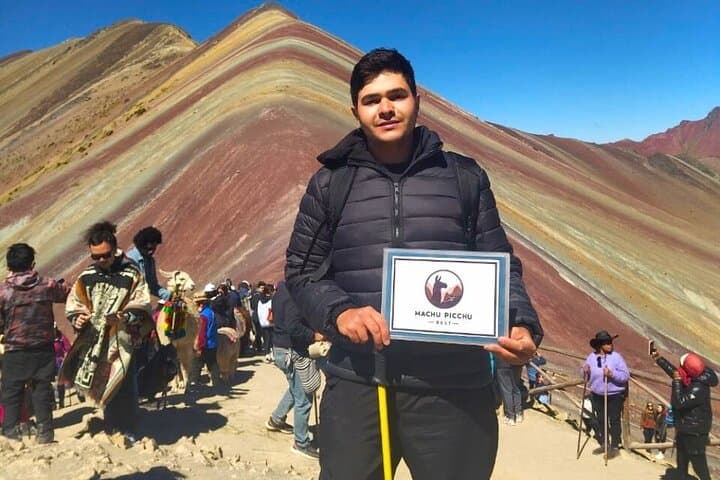
You leave Cusco before dawn, climbing out of the city into thin, blue mountain air as headlights carve the road toward the high peaks. Small hamlets slip by, flocks of alpacas dotting grassy shoulders, and after a long winding drive the trailhead opens like a stage: the multicolored ridges of Vinicunca—Rainbow Mountain—rising raw and bright against the sky.
Verified experiences and guided adventures in the surrounding area.
Operated by Tour Machu picchu best · Cusco, Cusco
You leave Cusco before dawn, climbing out of the city into thin, blue mountain air as headlights carve the road toward the high peaks. Small hamlets slip by, flocks of alpacas dotting grassy shoulders, and after a long winding drive the trailhead opens like a stage: the multicolored ridges of Vinicunca—Rainbow Mountain—rising raw and bright against the sky.
The striped colors are geological chapters: iron oxides, copper salts and other mineral layers exposed by millennia of uplift and erosion around the Ausangate massif. The region is Quechua country; shepherds still move llamas and alpacas between seasonal pastures, and the land carries cultural weight—mountains here are often described as apus, or sacred guardians.
The hike itself is short but uncompromising. Expect roughly 1–1.5 hours of ascent through tussock grass and rocky trail to reach viewpoints above 5,000 m; the air is thin and the path steep in places. On a clear day you get wide-angle panoramas of snow-capped Ausangate, scattered pastoral settlements and the banded slopes that made this spot famous.
Practical notes: acclimatize in Cusco for at least 24–48 hours, carry warm windproof layers, and bring sun protection—uv is intense at altitude. Tours provide transport, breakfast and lunch, walking sticks and oxygen, but solid waterproof boots and a daypack with water are yours to bring. Plan for a long day—early pickup and a late return—and stay on marked trails to protect fragile soils and the grazing lands local communities rely on.
moderate.
10–12 hours.
Good cardiovascular fitness for a steady, steep ascent at high altitude; ability to hike 1–2 hours uphill.
The trail to the main viewpoint typically takes 1–1.5 hours one way; expect a steep climb and an elevation around 5,000 m, with several hundred meters of ascent depending on the trailhead.
Yes—altitude sickness is common. Spend time in Cusco beforehand, hydrate, eat well, ascend slowly, and consider medication like acetazolamide after consulting a doctor.
Facilities are limited; there are basic toilets at the parking area or trailhead but not on the upper trail, so plan accordingly.
Possible if they are acclimatized and reasonably fit, but the altitude and steep sections make it unsuitable for very young children or people with cardiovascular issues; consult the tour operator for specifics.
The banded colors are the result of layered mineral deposits exposed by tectonic uplift and glacial action; local Quechua communities have lived around Ausangate for centuries and maintain pastoral traditions.
High visitor numbers impact fragile puna soils and grazing lands; stick to trails, avoid leaving waste, and choose operators that support local communities and trail maintenance.
Tour Machu picchu best operates guided outdoor trips and adventures with an emphasis on safety, stewardship, and memorable experiences.
You leave Cusco before dawn, climbing out of the city into thin, blue mountain air as headlights carve the road toward the high peaks. Small hamlets slip by, flocks of alpacas dotting grassy shoulders, and after a long winding drive the trailhead opens like a stage: the multicolored ridges of Vinicunca—Rainbow Mountain—rising raw and bright against the sky.
You leave Cusco before dawn, climbing out of the city into thin, blue mountain air as headlights carve the road toward the high peaks. Small hamlets slip by, flocks of alpacas dotting grassy shoulders, and after a long winding drive the trailhead opens like a stage: the multicolored ridges of Vinicunca—Rainbow Mountain—rising raw and bright against the sky.
The striped colors are geological chapters: iron oxides, copper salts and other mineral layers exposed by millennia of uplift and erosion around the Ausangate massif. The region is Quechua country; shepherds still move llamas and alpacas between seasonal pastures, and the land carries cultural weight—mountains here are often described as apus, or sacred guardians.
The hike itself is short but uncompromising. Expect roughly 1–1.5 hours of ascent through tussock grass and rocky trail to reach viewpoints above 5,000 m; the air is thin and the path steep in places. On a clear day you get wide-angle panoramas of snow-capped Ausangate, scattered pastoral settlements and the banded slopes that made this spot famous.
Practical notes: acclimatize in Cusco for at least 24–48 hours, carry warm windproof layers, and bring sun protection—uv is intense at altitude. Tours provide transport, breakfast and lunch, walking sticks and oxygen, but solid waterproof boots and a daypack with water are yours to bring. Plan for a long day—early pickup and a late return—and stay on marked trails to protect fragile soils and the grazing lands local communities rely on.