THE ADVENTURE COLLECTIVE® · Independent discovery and booking for outdoor travel

Leave Cusco behind and climb into the high Andes on a scenic transfer to Soraypampa. Expect a breakfast stop in Mollepata, a stretch of walking where roads end, and wide high‑valley views that demand a slow pace.
Leave Cusco behind and climb into the high Andes on a scenic transfer to Soraypampa. Expect a breakfast stop in Mollepata, a stretch of walking where roads end, and wide high‑valley views that demand a slow pace.
A low sun slides across terraced hills as the minivan peels away from Cusco, the city’s stone streets shrinking behind you and the Andes opening like a living map. The road climbs through puna grasslands and small Quechua hamlets; you’ll pass Mollepata where kitchens steam and local shops sell fresh bread before the vehicle drops you near Soraypampa. From here the landscape takes charge — broad valleys, wind-ruffled ridges and a sky so close it feels movable.
Verified experiences and guided adventures in the surrounding area.
Operated by Machupicchu Holiday · Soraypampa, Cusco
A low sun slides across terraced hills as the minivan peels away from Cusco, the city’s stone streets shrinking behind you and the Andes opening like a living map. The road climbs through puna grasslands and small Quechua hamlets; you’ll pass Mollepata where kitchens steam and local shops sell fresh bread before the vehicle drops you near Soraypampa. From here the landscape takes charge — broad valleys, wind-ruffled ridges and a sky so close it feels movable.
This route follows ancient movement corridors used for trade and seasonal herding. The rocks and soils are part of the high‑Andean chain shaped by tectonic uplift and glacial carving; you’ll notice rounded moraines and steep troughs that describe past ice. Local communities around Mollepata and the Soraypampa approach remain culturally Quechua, with llamas and alpacas grazing and simple markets that reflect centuries of mountain life.
Expect a mix of paved and rough dirt driving, a short breakfast stop in Mollepata, and a final stretch on foot where road conditions force a walk into Soraypampa. Altitude dominates the plan — progress is steady rather than fast. Practical details: carry layered clothing for wind and sun, hydrate well before the walk, and allow extra time for acclimatization and photo stops. The transfer is as much a transition into highland rhythm as it is a shuttle — a way to see how the Andes move people, livestock and stories across steep country.
Whether you aim for Rainbow Mountain or a quieter valley walk from Soraypampa, this transfer sets the tone: purposeful, scenic, and governed by altitude and weather.
moderate.
5 hours.
Moderate fitness for short walking sections at high altitude; able to walk for 1–2 hours with breaks.
The scheduled duration is about 5 hours round trip including the breakfast stop and the final walking approach into Soraypampa.
The walking segment is short but at high altitude; it’s not technical but requires steady pace and frequent rests for those unused to elevation.
The itinerary includes a breakfast stop in Mollepata; additional snacks or lunches are not usually provided so bring extra if needed.
This transfer is not recommended for pregnant travelers due to altitude and variable road conditions.
The route follows traditional highland corridors used for centuries by Quechua communities for trade and seasonal grazing.
High‑Andean puna is fragile — stick to established routes, avoid trampling vegetation and carry out all trash to limit erosion and disturbance.
Machupicchu Holiday operates guided outdoor trips and adventures with an emphasis on safety, stewardship, and memorable experiences.
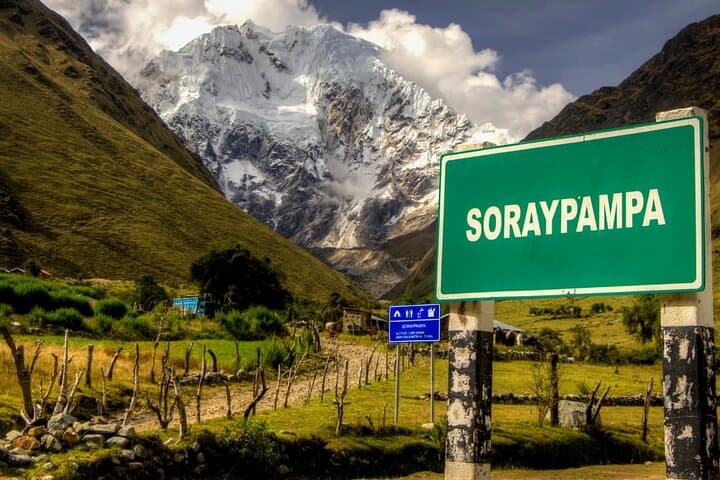
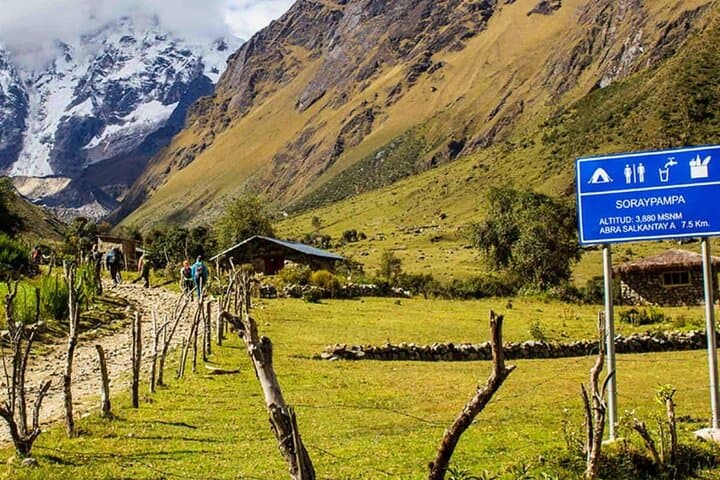
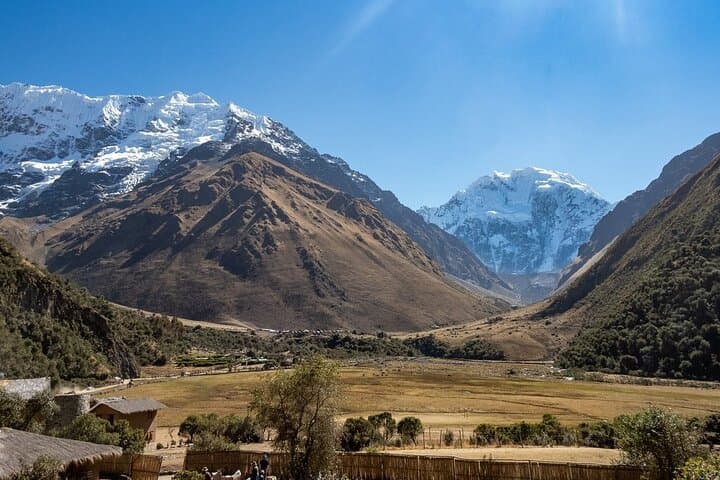
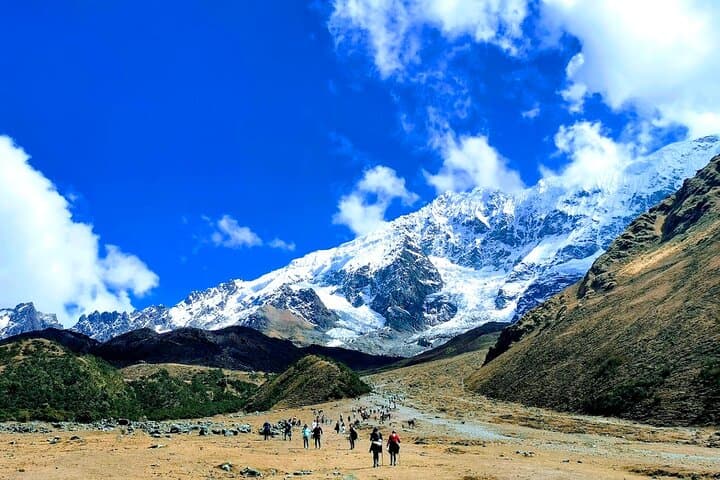
A low sun slides across terraced hills as the minivan peels away from Cusco, the city’s stone streets shrinking behind you and the Andes opening like a living map. The road climbs through puna grasslands and small Quechua hamlets; you’ll pass Mollepata where kitchens steam and local shops sell fresh bread before the vehicle drops you near Soraypampa. From here the landscape takes charge — broad valleys, wind-ruffled ridges and a sky so close it feels movable.
A low sun slides across terraced hills as the minivan peels away from Cusco, the city’s stone streets shrinking behind you and the Andes opening like a living map. The road climbs through puna grasslands and small Quechua hamlets; you’ll pass Mollepata where kitchens steam and local shops sell fresh bread before the vehicle drops you near Soraypampa. From here the landscape takes charge — broad valleys, wind-ruffled ridges and a sky so close it feels movable.
This route follows ancient movement corridors used for trade and seasonal herding. The rocks and soils are part of the high‑Andean chain shaped by tectonic uplift and glacial carving; you’ll notice rounded moraines and steep troughs that describe past ice. Local communities around Mollepata and the Soraypampa approach remain culturally Quechua, with llamas and alpacas grazing and simple markets that reflect centuries of mountain life.
Expect a mix of paved and rough dirt driving, a short breakfast stop in Mollepata, and a final stretch on foot where road conditions force a walk into Soraypampa. Altitude dominates the plan — progress is steady rather than fast. Practical details: carry layered clothing for wind and sun, hydrate well before the walk, and allow extra time for acclimatization and photo stops. The transfer is as much a transition into highland rhythm as it is a shuttle — a way to see how the Andes move people, livestock and stories across steep country.
Whether you aim for Rainbow Mountain or a quieter valley walk from Soraypampa, this transfer sets the tone: purposeful, scenic, and governed by altitude and weather.