THE ADVENTURE COLLECTIVE® · Independent discovery and booking for outdoor travel

Take an early drive from Cusco into thin, high air to reach Vinicunca — the famed Rainbow Mountain. This full-day hike offers striking mineral bands, Andean culture, and the challenge of 5,200 m altitude.
Take an early drive from Cusco into thin, high air to reach Vinicunca — the famed Rainbow Mountain. This full-day hike offers striking mineral bands, Andean culture, and the challenge of 5,200 m altitude.
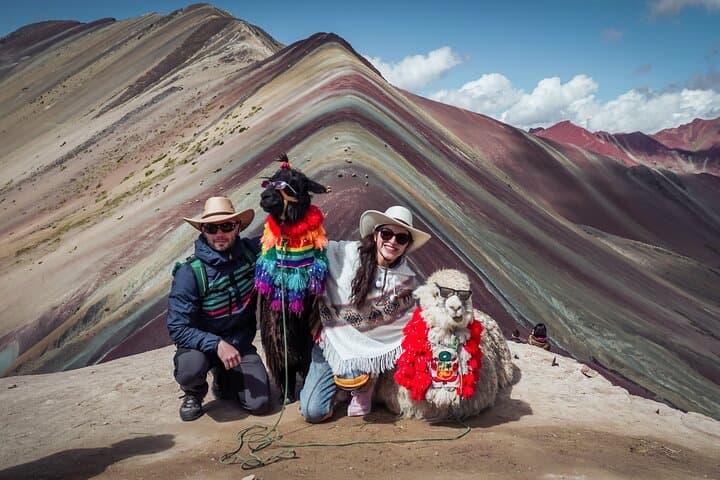
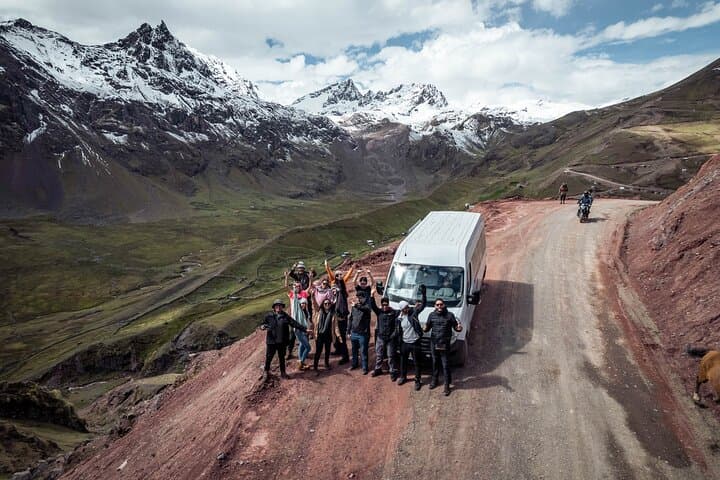
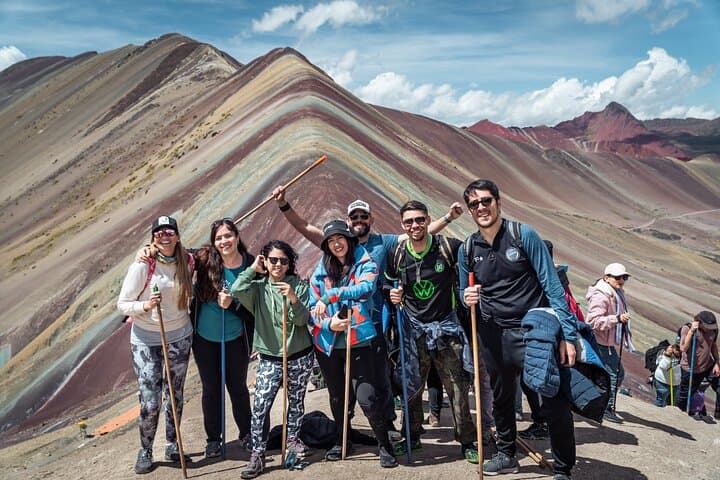
Before dawn the minivan threads out of Cusco, headlights cutting through high plain air as the city shrinks behind you. By midmorning the road drops into pastureland and then climbs again toward chill, thin air; the trailhead at Chillihuani feels like a threshold between cultivated valleys and the raw, mineral-streaked slopes of Vinicunca. The final switchbacks reveal bands of ochre, rose, turquoise and saffron that seem to shift with each step and angle of sun.
Verified experiences and guided adventures in the surrounding area.
Operated by Machu Picchu Peru Tours · Cusco, Cusco Region
Before dawn the minivan threads out of Cusco, headlights cutting through high plain air as the city shrinks behind you. By midmorning the road drops into pastureland and then climbs again toward chill, thin air; the trailhead at Chillihuani feels like a threshold between cultivated valleys and the raw, mineral-streaked slopes of Vinicunca. The final switchbacks reveal bands of ochre, rose, turquoise and saffron that seem to shift with each step and angle of sun.
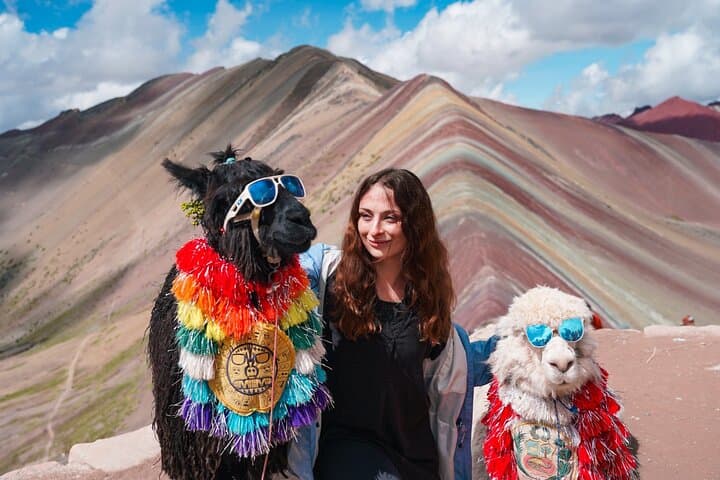
Geologically, the colors are mineral signatures — iron oxides, copper salts and other deposits exposed by uplift and erosion tied to the nearby Ausangate massif. Culturally the route crosses Quechua communities where herds of alpaca and llamas graze and where mountains are treated as living apus (spirit guardians). The area’s history is woven from high-Andean pastoral life and pre-Columbian trade routes that threaded the puna between high peaks.
Expect a high-altitude day: parking is roughly 4,300–4,500 m and the rainbow viewpoint sits near 5,200 m, so plan for a steady 1–1.5 hour ascent with rocky, often wind-scoured terrain and occasional muddy sections. Guides usually include breakfast, a boxed lunch and return transport; horse rentals are available for the ascent.
Practical tips: acclimatize in Cusco for 48+ hours if possible, dress in layers for rapidly changing conditions, carry at least 2 liters of water and use sun protection (UV is strong at altitude). Leave no trace, respect local herding lands, and budget extra time for photos and optional side-walks into Red Valley.
challenging.
10–12 hours.
Good aerobic fitness recommended; ability to walk 1–2 hours uphill at high altitude.
The main viewpoint is around 5,200 meters (about 17,060 ft); the trailhead and parking are typically around 4,300–4,500 m.
Yes — small bills for horse rentals, snacks, tips and toilets are useful as card facilities are limited in the communities.
The trail is steep and at high altitude; children and older adults should assess fitness and consider horse rentals or local guidance before joining.
Yes — tours may cancel for heavy rain, snow or unsafe conditions; rainy season (Dec–Mar) has higher chance of closures.
Vinicunca’s current fame grew recently with social media, but the slopes have been used for centuries by Quechua pastoralists and remain part of local ritual landscapes tied to Ausangate.
High foot traffic and informal trails have increased erosion; stick to established paths, avoid littering and support local operators who contribute to community maintenance.
Machu Picchu Peru Tours operates guided outdoor trips and adventures with an emphasis on safety, stewardship, and memorable experiences.
Before dawn the minivan threads out of Cusco, headlights cutting through high plain air as the city shrinks behind you. By midmorning the road drops into pastureland and then climbs again toward chill, thin air; the trailhead at Chillihuani feels like a threshold between cultivated valleys and the raw, mineral-streaked slopes of Vinicunca. The final switchbacks reveal bands of ochre, rose, turquoise and saffron that seem to shift with each step and angle of sun.
Before dawn the minivan threads out of Cusco, headlights cutting through high plain air as the city shrinks behind you. By midmorning the road drops into pastureland and then climbs again toward chill, thin air; the trailhead at Chillihuani feels like a threshold between cultivated valleys and the raw, mineral-streaked slopes of Vinicunca. The final switchbacks reveal bands of ochre, rose, turquoise and saffron that seem to shift with each step and angle of sun.
Geologically, the colors are mineral signatures — iron oxides, copper salts and other deposits exposed by uplift and erosion tied to the nearby Ausangate massif. Culturally the route crosses Quechua communities where herds of alpaca and llamas graze and where mountains are treated as living apus (spirit guardians). The area’s history is woven from high-Andean pastoral life and pre-Columbian trade routes that threaded the puna between high peaks.
Expect a high-altitude day: parking is roughly 4,300–4,500 m and the rainbow viewpoint sits near 5,200 m, so plan for a steady 1–1.5 hour ascent with rocky, often wind-scoured terrain and occasional muddy sections. Guides usually include breakfast, a boxed lunch and return transport; horse rentals are available for the ascent.
Practical tips: acclimatize in Cusco for 48+ hours if possible, dress in layers for rapidly changing conditions, carry at least 2 liters of water and use sun protection (UV is strong at altitude). Leave no trace, respect local herding lands, and budget extra time for photos and optional side-walks into Red Valley.