THE ADVENTURE COLLECTIVE® · Independent discovery and booking for outdoor travel

A long day from Cusco rewards hikers with the striped slopes of Winicunca and sweeping views of Ausangate. This guide covers what to expect, how to prepare, and practical tips for a high-altitude day trek.
A long day from Cusco rewards hikers with the striped slopes of Winicunca and sweeping views of Ausangate. This guide covers what to expect, how to prepare, and practical tips for a high-altitude day trek.
The morning light strips away the blue of pre-dawn Cusco as the van heads southeast, and by the time you step out at Pitumarca the Andes breathe cold and thin. Air like a scaled-back wind dares you forward; llamas nibble at tussock grass while adobe houses squat on the slope. The short, steep climb to Vinicunca’s crest opens into bands of ochre, rust, and teal—stripes carved by oxidation, pressure and time—framed by the white bulk of Ausangate to the south.
Verified experiences and guided adventures in the surrounding area.
Operated by Machupicchu Nice · Pitumarca, Cusco
The morning light strips away the blue of pre-dawn Cusco as the van heads southeast, and by the time you step out at Pitumarca the Andes breathe cold and thin. Air like a scaled-back wind dares you forward; llamas nibble at tussock grass while adobe houses squat on the slope. The short, steep climb to Vinicunca’s crest opens into bands of ochre, rust, and teal—stripes carved by oxidation, pressure and time—framed by the white bulk of Ausangate to the south.
Geologically the “rainbow” is iron- and copper-rich sediment layers exposed by glacial and fluvial erosion; Ausangate, rising to 6,385 m, is a granite-and-snow spine that shaped local routes and culture for centuries. The region is Quechua country: you’ll pass people in traditional dress and see stone corrals and herds of alpacas—reminders that this mountain is part of a living landscape, not just a photo stop.
Practically, expect a very early pickup from Cusco, a two-hour drive to the trailhead, and a 1–2 hour ascent to the viewpoint depending on pace and acclimatization. The tour runs long—roughly 12–14 hours round-trip—so hydrate, eat a substantial breakfast, and move deliberately at altitude. Trail is untechnical but steep and exposed; horses can be rented for the ascent. Bring layered clothing, sun protection, and plan for sudden weather shifts. If you’ve not acclimatized in Cusco (3,400 m), spend a day or two resting before the trek. With planning, the colors, the wind, and the scale of Ausangate make Winicunca a compact, intense Andes experience.
challenging.
12–14 hours.
Moderate cardiovascular fitness recommended; ability to walk steep, uneven trails at high altitude; acclimatize beforehand.
Winicunca’s viewpoint sits above 5,000 m; many visitors feel shortness of breath—acclimatize in Cusco, move slowly, and consider coca tea or medication if advised by a doctor.
The round-trip walk from Pitumarca is typically 2–4 hours depending on fitness and stops; the path is steep and exposed but nontechnical—stamina and acclimatization determine perceived strain.
Yes—local operators offer horses for parts of the climb; availability varies and horses can be steeply priced, so arrange locally at the trailhead if needed.
Dry season (May–September) offers clearer skies and firmer trails; afternoons can bring winds and occasional storms year-round, so plan early starts.
The area is part of Quechua-speaking highland communities historically linked to Ausangate as a ritual mountain; pastoralism shapes local routes and seasonal movement.
High visitor numbers cause trail erosion and litter; stick to established paths, avoid stray feeding of wildlife, and use local guides who follow community rules to minimize impact.
Machupicchu Nice operates guided outdoor trips and adventures with an emphasis on safety, stewardship, and memorable experiences.
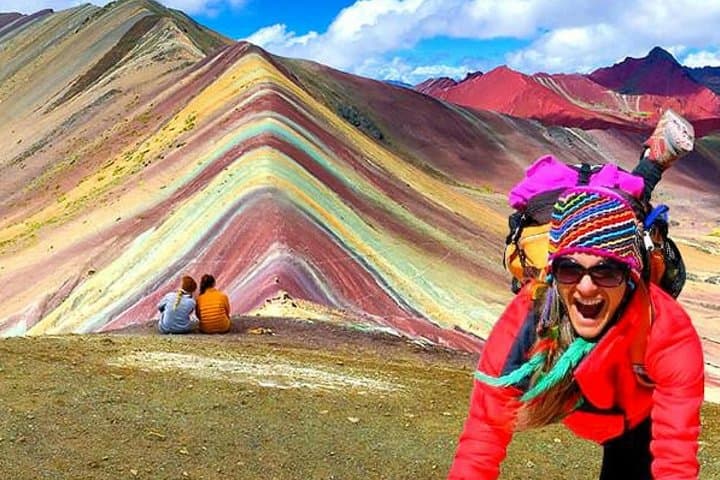
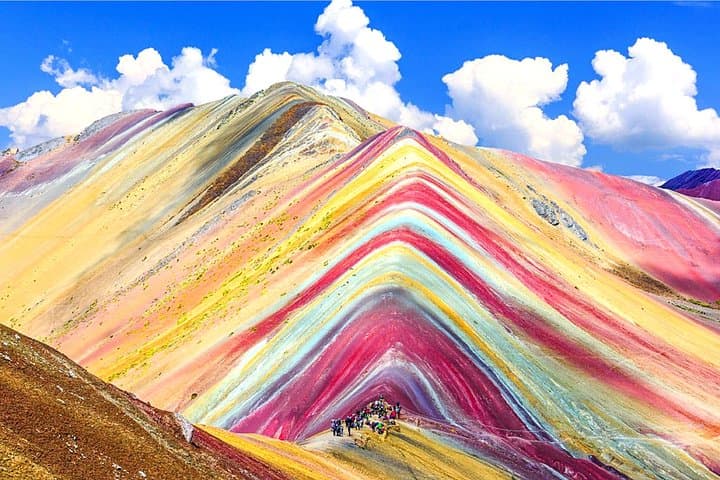
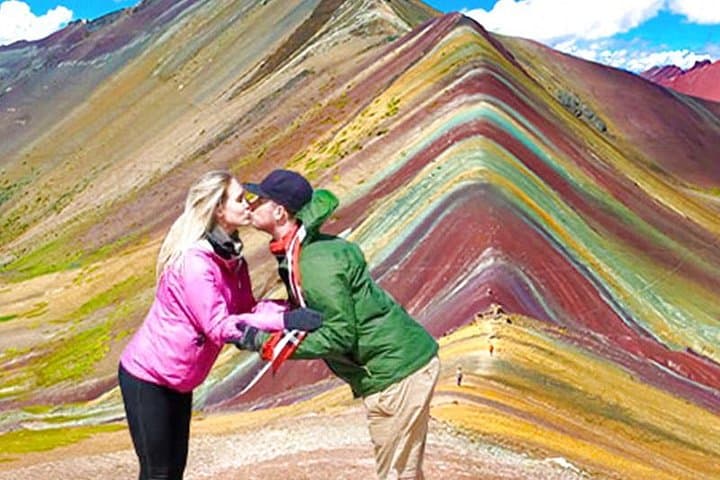
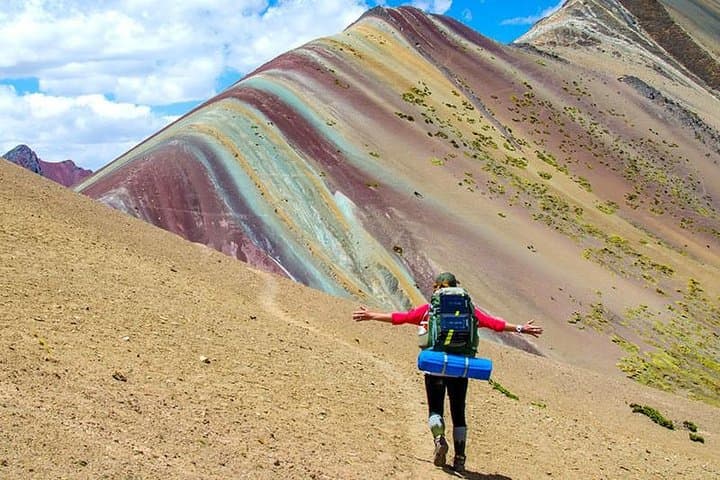
The morning light strips away the blue of pre-dawn Cusco as the van heads southeast, and by the time you step out at Pitumarca the Andes breathe cold and thin. Air like a scaled-back wind dares you forward; llamas nibble at tussock grass while adobe houses squat on the slope. The short, steep climb to Vinicunca’s crest opens into bands of ochre, rust, and teal—stripes carved by oxidation, pressure and time—framed by the white bulk of Ausangate to the south.
The morning light strips away the blue of pre-dawn Cusco as the van heads southeast, and by the time you step out at Pitumarca the Andes breathe cold and thin. Air like a scaled-back wind dares you forward; llamas nibble at tussock grass while adobe houses squat on the slope. The short, steep climb to Vinicunca’s crest opens into bands of ochre, rust, and teal—stripes carved by oxidation, pressure and time—framed by the white bulk of Ausangate to the south.
Geologically the “rainbow” is iron- and copper-rich sediment layers exposed by glacial and fluvial erosion; Ausangate, rising to 6,385 m, is a granite-and-snow spine that shaped local routes and culture for centuries. The region is Quechua country: you’ll pass people in traditional dress and see stone corrals and herds of alpacas—reminders that this mountain is part of a living landscape, not just a photo stop.
Practically, expect a very early pickup from Cusco, a two-hour drive to the trailhead, and a 1–2 hour ascent to the viewpoint depending on pace and acclimatization. The tour runs long—roughly 12–14 hours round-trip—so hydrate, eat a substantial breakfast, and move deliberately at altitude. Trail is untechnical but steep and exposed; horses can be rented for the ascent. Bring layered clothing, sun protection, and plan for sudden weather shifts. If you’ve not acclimatized in Cusco (3,400 m), spend a day or two resting before the trek. With planning, the colors, the wind, and the scale of Ausangate make Winicunca a compact, intense Andes experience.