THE ADVENTURE COLLECTIVE® · Independent discovery and booking for outdoor travel

A full-day, high-altitude hike from Cusco to Vinicunca (Rainbow Mountain) across Ausangate’s slopes. Expect long drives, steep climbs, intense sun, and vivid mineral bands—prepare for altitude and changing weather.
A full-day, high-altitude hike from Cusco to Vinicunca (Rainbow Mountain) across Ausangate’s slopes. Expect long drives, steep climbs, intense sun, and vivid mineral bands—prepare for altitude and changing weather.
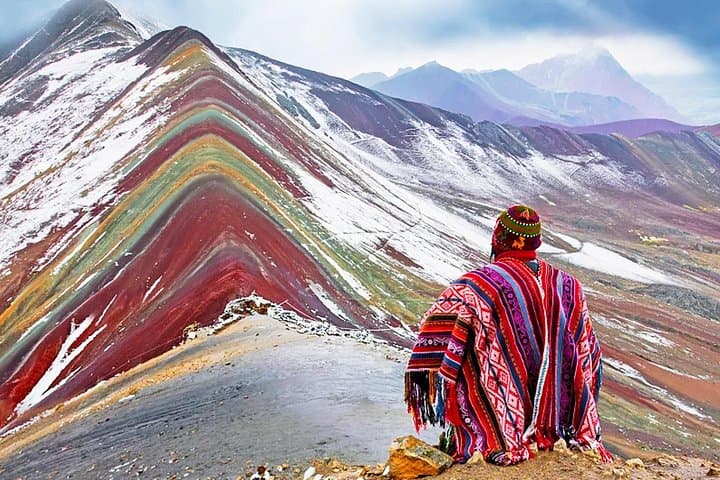
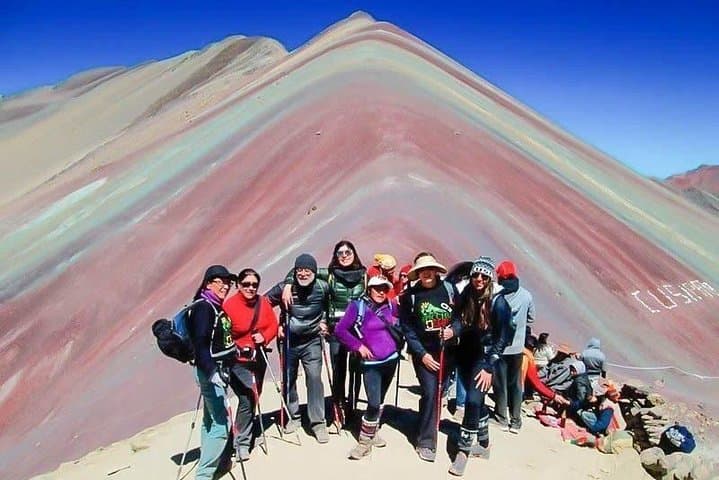
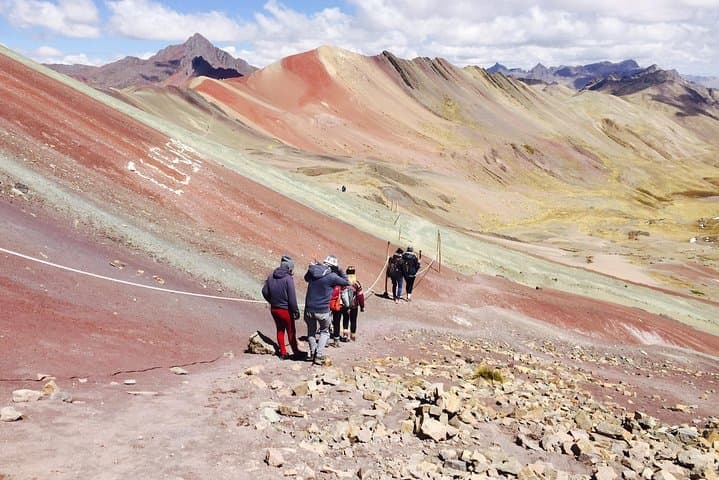
Before sunrise the road unspools from Cusco—headlights cutting through highland air, breath fogging in the van as fields roll by. By the time the sky lightens you’re at the foot of Ausangate, the snowy massif that keeps watch over the Quechua valleys. The trail climbs steadily from roughly 4,300 m to the colorful crest of Colorado (often called Vinicunca), where bands of oxidized minerals streak the slope in red, yellow, and turquoise.
Verified experiences and guided adventures in the surrounding area.
Operated by Incas Advisor Travel Peru · Cusco, Cusco
Before sunrise the road unspools from Cusco—headlights cutting through highland air, breath fogging in the van as fields roll by. By the time the sky lightens you’re at the foot of Ausangate, the snowy massif that keeps watch over the Quechua valleys. The trail climbs steadily from roughly 4,300 m to the colorful crest of Colorado (often called Vinicunca), where bands of oxidized minerals streak the slope in red, yellow, and turquoise.
This route threads modern trekking onto ancient ground. Ausangate is a sacred peak in Andean cosmology and the surrounding puna has been grazed by llamas and alpacas for centuries. The stripes on the ridge are geologic—layers of sediment and iron and copper minerals exposed by glacial carving and erosion—while villages like Pitumarka retain Quechua-speaking traditions and highland hospitality.
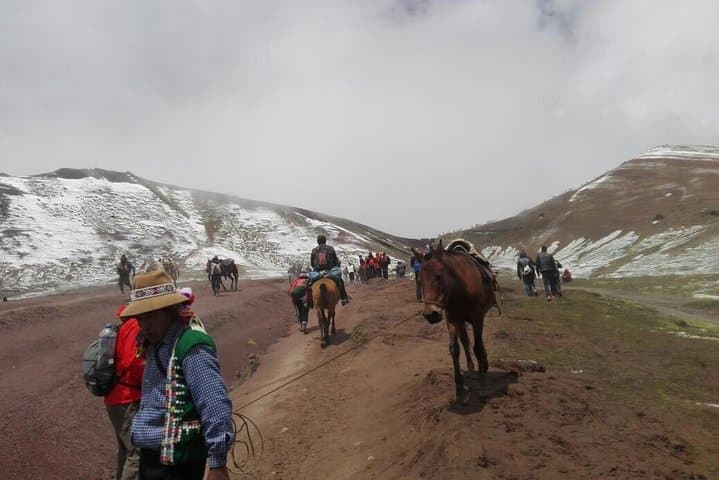
Expect a demanding high-altitude day: roughly 1–1.5 hours up from the trailhead and about 1.5 hours back down, with the whole excursion including drive, meals, and stops running 10–12 hours. Altitude is the dominant factor—oxygen thins and the sun intensifies; the wind will test your balance and the sky can switch from brilliant sun to sleet within an hour.
Practical edge: acclimatize in Cusco for 48+ hours, use layered clothing (warm midlayers and a windproof shell), carry 2–3 liters of water and snacks, and move deliberately on the ascent. Respect grazing areas, keep distance from camelids, and leave no trace—this fragile high-elevation landscape is popular and weather-driven, so plan buffer time and expect a long, rewarding day.
challenging.
10–12 hours.
Good cardiovascular fitness and prior high-altitude exposure recommended; able to hike several hours with steady uphill sections.
Vinicunca sits around 5,000–5,200 m depending on the exact summit point; the hike from the common trailhead involves roughly 800–900 m of vertical and is short but steep—altitude makes it challenging.
Yes—spend 48+ hours in Cusco and avoid strenuous activity the day before; bring medication if prescribed for altitude sickness.
Basic facilities (snack stands, portable toilets) and lunch in Pitumarka are typically included, but carry hand sanitizer and small change; options are limited on the trail itself.
Tours may be canceled or delayed in heavy rain or snow; the operator’s policy allows a refund if canceled 24 hours prior for weather-related issues.
The trail crosses Qollasuyo territory of the Inca era and lies beneath Ausangate, a mountain revered in Andean cosmology for centuries.
High visitor numbers stress fragile alpine soils and grazing areas—stay on trails, pack out waste, and avoid disturbing camelids to reduce impacts.
Incas Advisor Travel Peru operates guided outdoor trips and adventures with an emphasis on safety, stewardship, and memorable experiences.
Before sunrise the road unspools from Cusco—headlights cutting through highland air, breath fogging in the van as fields roll by. By the time the sky lightens you’re at the foot of Ausangate, the snowy massif that keeps watch over the Quechua valleys. The trail climbs steadily from roughly 4,300 m to the colorful crest of Colorado (often called Vinicunca), where bands of oxidized minerals streak the slope in red, yellow, and turquoise.
Before sunrise the road unspools from Cusco—headlights cutting through highland air, breath fogging in the van as fields roll by. By the time the sky lightens you’re at the foot of Ausangate, the snowy massif that keeps watch over the Quechua valleys. The trail climbs steadily from roughly 4,300 m to the colorful crest of Colorado (often called Vinicunca), where bands of oxidized minerals streak the slope in red, yellow, and turquoise.
This route threads modern trekking onto ancient ground. Ausangate is a sacred peak in Andean cosmology and the surrounding puna has been grazed by llamas and alpacas for centuries. The stripes on the ridge are geologic—layers of sediment and iron and copper minerals exposed by glacial carving and erosion—while villages like Pitumarka retain Quechua-speaking traditions and highland hospitality.
Expect a demanding high-altitude day: roughly 1–1.5 hours up from the trailhead and about 1.5 hours back down, with the whole excursion including drive, meals, and stops running 10–12 hours. Altitude is the dominant factor—oxygen thins and the sun intensifies; the wind will test your balance and the sky can switch from brilliant sun to sleet within an hour.
Practical edge: acclimatize in Cusco for 48+ hours, use layered clothing (warm midlayers and a windproof shell), carry 2–3 liters of water and snacks, and move deliberately on the ascent. Respect grazing areas, keep distance from camelids, and leave no trace—this fragile high-elevation landscape is popular and weather-driven, so plan buffer time and expect a long, rewarding day.