
Cusco to Ollantaytambo Day Tour: Chinchero, Moray, Salt Mines & Ollantaytambo
A full-day journey from Cusco into the Sacred Valley, this tour links working Andean communities with Inca engineering: Chinchero textiles, Moray’s experimental terraces, the hand-harvested Salineras, and the fortified streets of Ollantaytambo. Expect uneven cobbles, high-altitude air, and immersive cultural encounters.
An Adventure In Cusco.
A full-day journey from Cusco into the Sacred Valley, this tour links working Andean communities with Inca engineering: Chinchero textiles, Moray’s experimental terraces, the hand-harvested Salineras, and the fortified streets of Ollantaytambo. Expect uneven cobbles, high-altitude air, and immersive cultural encounters.
Read the full experience
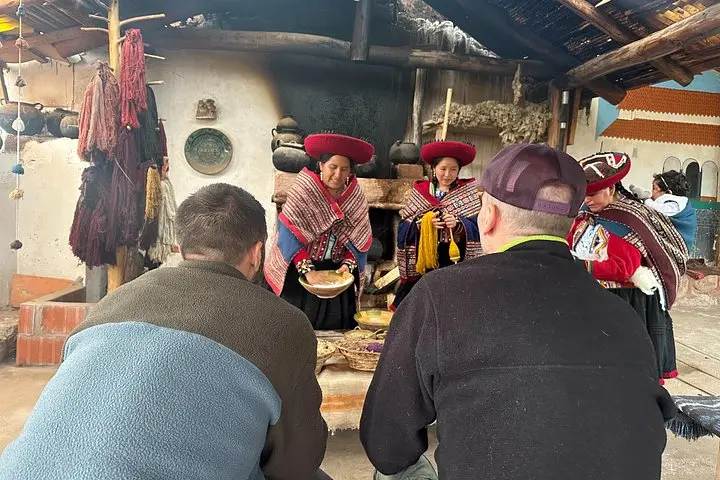
You step off the minivan into thin air and the valley opens — terraces tiered like stepped stages, wind pressing cool against your skin. The day begins in Chinchero, where broad plazas and a working textile center introduce living Andean crafts; thread, dye and pattern feel immediate under the guide’s translation.
You step off the minivan into thin air and the valley opens — terraces tiered like stepped stages, wind pressing cool against your skin. The day begins in Chinchero, where broad plazas and a working textile center introduce living Andean crafts; thread, dye and pattern feel immediate under the guide’s translation.
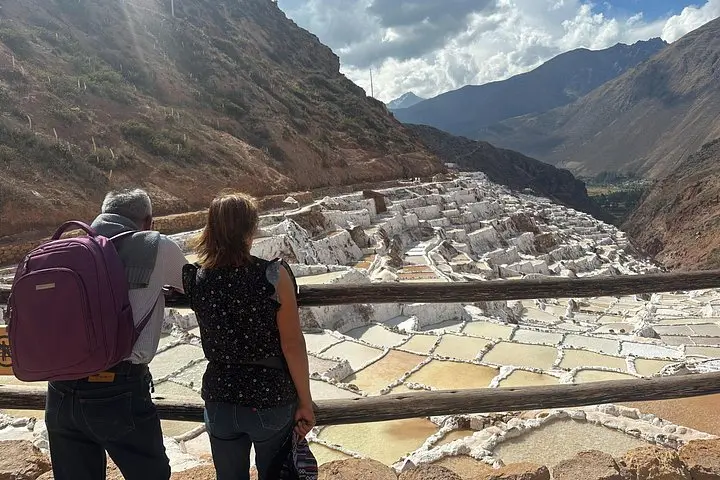
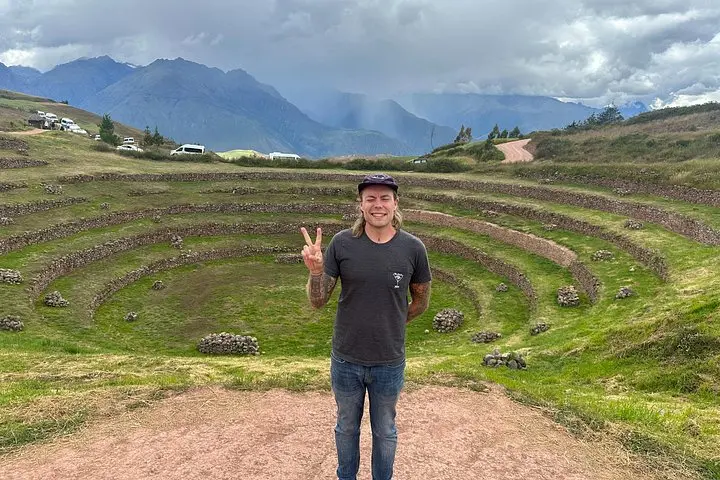
From there the road descends into Moray, a circular set of concentric agricultural terraces that read like an open-air laboratory. The terraces change temperature with each ring; Inca engineers tuned microclimates to test crops across altitudes. Nearby, the Salineras salt pans cling to a hillside — thousands of shallow pools that still yield salt by hand, their sun-bright surfaces cutting across the slope.
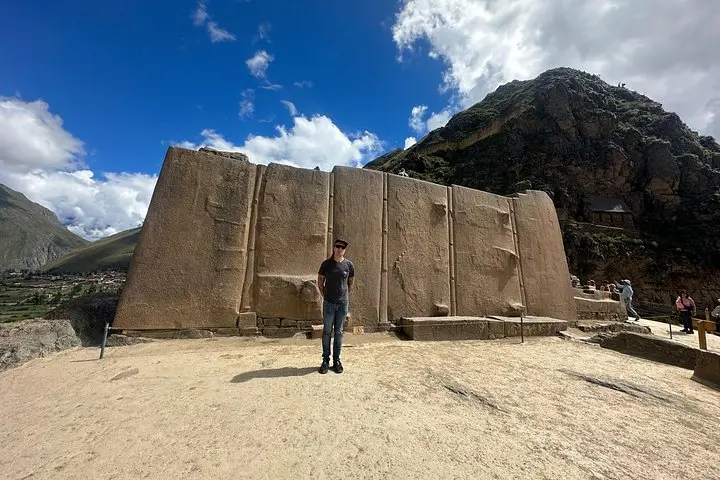
Ollantaytambo finishes the tour with urban planning in stone: cobbled streets, original drainage, and a fortress-like archaeological complex that once repelled Spanish forces. Geology here is dominated by volcanic and sedimentary rock shaped by uplift and erosion; carving and terrace-building make the landscape legible.
Practical guidance: plan 9–10 hours, expect moderate walking on uneven cobbles and steps, and allow time for slow photography and market browsing. Elevations range roughly 2,800–3,700 m between sites — acclimatize in Cusco for 24–48 hours if possible. Wear sturdy walking shoes, sun protection, and layers for shifting sun and gusts. Bring water and small bills for market purchases and entrance fees. Guides commonly provide bottled water and a buffet lunch; booking private or small-group departures gives more time at each stop. This tour balances cultural depth with manageable terrain — a full day that maps history onto landscape.
Frequently asked questions
Most organized tours include transport and a buffet lunch; local site entrance fees are sometimes included—confirm at booking.
Some areas and plazas are accessible, but archaeological terraces and steep steps at sites like Moray and Ollantaytambo are not fully wheelchair-friendly.
Expect several short walks of 20–60 minutes at each stop over uneven cobbles and steps, with time spent standing during explanations.
Symptoms can appear even in fit travelers; ascend slowly, hydrate well, avoid alcohol the night before, and carry acetazolamide only if prescribed by a doctor.
About This Experience
Qori Qilka Adventures operates guided outdoor trips and adventures with an emphasis on safety, stewardship, and memorable experiences.
Adventure tips
Recommended gear
- Sturdy walking shoes: Provides traction on cobblestones, terraces and steps across sites.
- Reusable water bottle: Staying hydrated at altitude reduces risk of headaches and fatigue.
- Sun hat and sunscreen: High-elevation UV exposure is strong even on cool days.
- Light waterproof layer: Wind and sudden showers are common; a packable jacket keeps you comfortable.
Photos of the experience
Related adventures & guides
Read the full experience
You step off the minivan into thin air and the valley opens — terraces tiered like stepped stages, wind pressing cool against your skin. The day begins in Chinchero, where broad plazas and a working textile center introduce living Andean crafts; thread, dye and pattern feel immediate under the guide’s translation.
You step off the minivan into thin air and the valley opens — terraces tiered like stepped stages, wind pressing cool against your skin. The day begins in Chinchero, where broad plazas and a working textile center introduce living Andean crafts; thread, dye and pattern feel immediate under the guide’s translation.
From there the road descends into Moray, a circular set of concentric agricultural terraces that read like an open-air laboratory. The terraces change temperature with each ring; Inca engineers tuned microclimates to test crops across altitudes. Nearby, the Salineras salt pans cling to a hillside — thousands of shallow pools that still yield salt by hand, their sun-bright surfaces cutting across the slope.
Ollantaytambo finishes the tour with urban planning in stone: cobbled streets, original drainage, and a fortress-like archaeological complex that once repelled Spanish forces. Geology here is dominated by volcanic and sedimentary rock shaped by uplift and erosion; carving and terrace-building make the landscape legible.
Practical guidance: plan 9–10 hours, expect moderate walking on uneven cobbles and steps, and allow time for slow photography and market browsing. Elevations range roughly 2,800–3,700 m between sites — acclimatize in Cusco for 24–48 hours if possible. Wear sturdy walking shoes, sun protection, and layers for shifting sun and gusts. Bring water and small bills for market purchases and entrance fees. Guides commonly provide bottled water and a buffet lunch; booking private or small-group departures gives more time at each stop. This tour balances cultural depth with manageable terrain — a full day that maps history onto landscape.
Make a day of it nearby.
Verified experiences and guided adventures in the surrounding area.