THE ADVENTURE COLLECTIVE® · Independent discovery and booking for outdoor travel

A compact 5-day itinerary that pairs Cusco’s Inca and colonial landmarks with the Sacred Valley and a full visit to Machu Picchu. Expect guided archaeological insights, valley vistas, and moderate walking at altitude.
A compact 5-day itinerary that pairs Cusco’s Inca and colonial landmarks with the Sacred Valley and a full visit to Machu Picchu. Expect guided archaeological insights, valley vistas, and moderate walking at altitude.
You step off the bus in thin, bright air—Cusco's stones still warm from the sun—and the city seems to watch you back: plazas, colonial balconies, and Inca walls that fit together like a well-kept secret.
Verified experiences and guided adventures in the surrounding area.
Operated by MISTERIOS PERU · Cusco, Cusco Region
You step off the bus in thin, bright air—Cusco's stones still warm from the sun—and the city seems to watch you back: plazas, colonial balconies, and Inca walls that fit together like a well-kept secret.
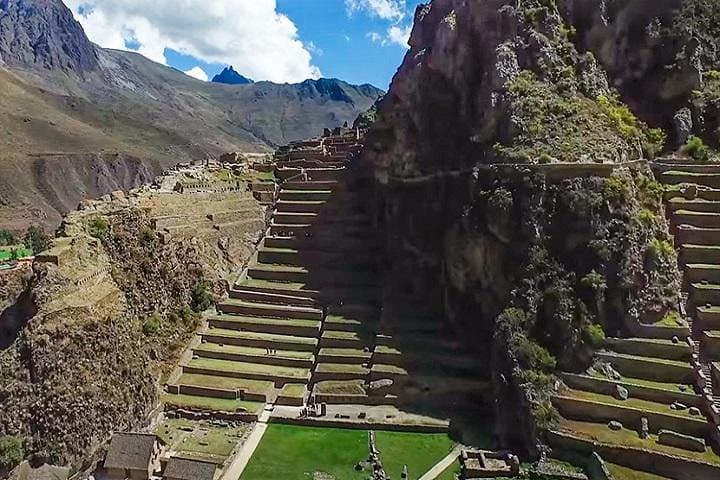
The next days move like chapters. The city tour threads through Qorikancha, where the Inca worshipped the sun; nearby Sacsayhuamán looms with ramparts hewn from giants' boulders. In the Sacred Valley, terraces spill down slopes shaped by glacial and river action, while Pisaq’s market and Ollantaytambo’s fortress-works give a sense of everyday life and military strategy in the Empire. Geology here is dramatic—steep river-cut valleys, folded Andean ranges and the cloud-shrouded ridge that holds Machu Picchu, an archaeological jewel perched above the Urubamba River.
On day three a pre-dawn train to Aguas Calientes lets you sleep into the rhythm of the valley; a dawn bus climbs to the citadel where perched stone buildings and agricultural benches reveal Inca ingenuity. Guides unpack construction methods, ritual spaces and the site's 20th-century rediscovery.
Practical guidance: expect walking on uneven stone and steps at altitude—hydration, layering and a steady pace are essential. Bring comfortable shoes with good traction, a light rain shell for sudden showers, and sunscreen; keep passport and admission documents handy. Mornings are cooler and clearer—plan key visits early. Allow time to acclimatize in Cusco before strenuous touring and budget extra time for trains and transfers.
moderate.
5 days.
Light-to-moderate fitness for walking 2–4 hours most days; comfortable with stairs and uneven ground at altitude
Yes—timed-entry tickets to Machu Picchu are required and often sold in advance; your tour typically includes admission and bus transfers from Aguas Calientes if stated.
It can be—Cusco sits around 3,400 m; symptoms range from mild headache to fatigue. Acclimatize, hydrate, avoid alcohol and consider talking to a doctor about medication if you are sensitive to altitude.
This specific itinerary includes the train to Aguas Calientes and transfers as listed; confirm departure times and luggage limits with the operator before travel.
Expect 2–3 hours of guided walking on uneven stone paths with steps; optional extra hikes (e.g., Huayna Picchu) require separate permits and more fitness.
Machu Picchu was constructed in the 15th century under Inca rule and reintroduced to global attention in 1911; the Sacred Valley was a food-growing and administrative heartland for the empire.
Machu Picchu operates a timed-entry system and visitor limits to reduce impact; follow marked paths, avoid feeding wildlife and support local guides and small businesses to keep tourism sustainable.
MISTERIOS PERU operates guided outdoor trips and adventures with an emphasis on safety, stewardship, and memorable experiences.
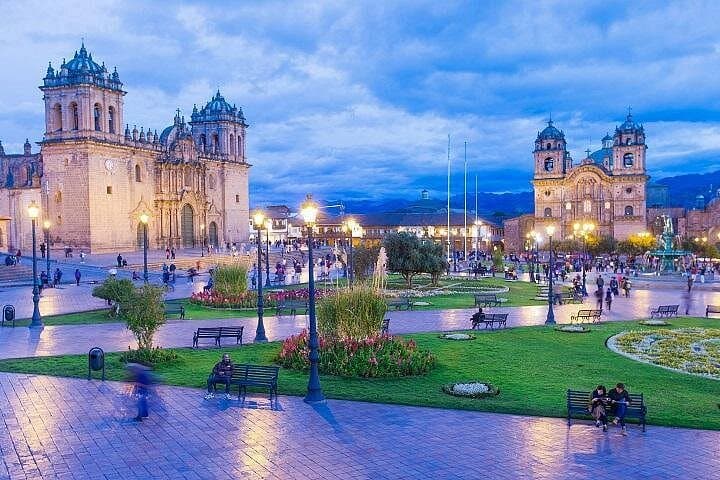
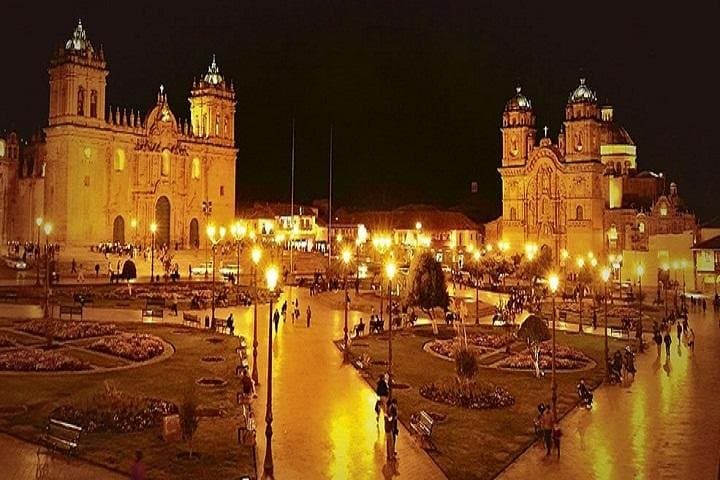
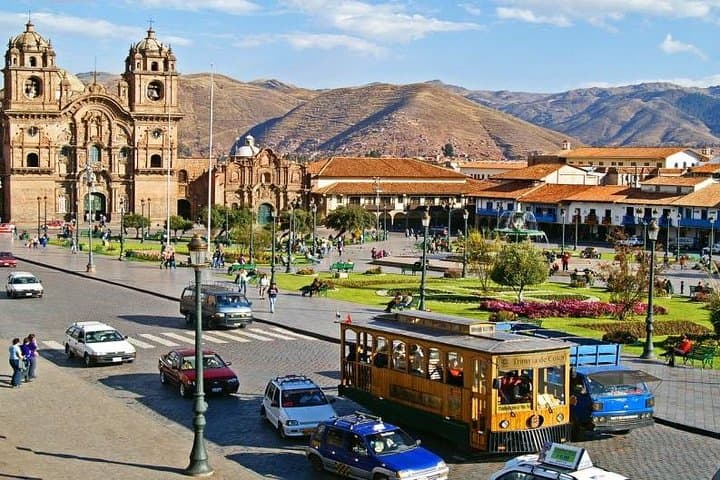
You step off the bus in thin, bright air—Cusco's stones still warm from the sun—and the city seems to watch you back: plazas, colonial balconies, and Inca walls that fit together like a well-kept secret.
You step off the bus in thin, bright air—Cusco's stones still warm from the sun—and the city seems to watch you back: plazas, colonial balconies, and Inca walls that fit together like a well-kept secret.
The next days move like chapters. The city tour threads through Qorikancha, where the Inca worshipped the sun; nearby Sacsayhuamán looms with ramparts hewn from giants' boulders. In the Sacred Valley, terraces spill down slopes shaped by glacial and river action, while Pisaq’s market and Ollantaytambo’s fortress-works give a sense of everyday life and military strategy in the Empire. Geology here is dramatic—steep river-cut valleys, folded Andean ranges and the cloud-shrouded ridge that holds Machu Picchu, an archaeological jewel perched above the Urubamba River.
On day three a pre-dawn train to Aguas Calientes lets you sleep into the rhythm of the valley; a dawn bus climbs to the citadel where perched stone buildings and agricultural benches reveal Inca ingenuity. Guides unpack construction methods, ritual spaces and the site's 20th-century rediscovery.
Practical guidance: expect walking on uneven stone and steps at altitude—hydration, layering and a steady pace are essential. Bring comfortable shoes with good traction, a light rain shell for sudden showers, and sunscreen; keep passport and admission documents handy. Mornings are cooler and clearer—plan key visits early. Allow time to acclimatize in Cusco before strenuous touring and budget extra time for trains and transfers.