THE ADVENTURE COLLECTIVE® · Independent discovery and booking for outdoor travel

This four-day, all-inclusive package moves you from Cusco’s colonial-influenced Inca core through the Sacred Valley to Machu Picchu via the Expedition Train. Expect guided site visits, buffet lunch in the valley, and morning access to major Inca sites — all logistics handled for you.
This four-day, all-inclusive package moves you from Cusco’s colonial-influenced Inca core through the Sacred Valley to Machu Picchu via the Expedition Train. Expect guided site visits, buffet lunch in the valley, and morning access to major Inca sites — all logistics handled for you.
You step off the minivan in Cusco and the air feels thin and honest — the stone streets around you still wear the impression of Inca terraces, and distant ridgelines push cloud and forest into motion. Over the next four days this itinerary moves from colonial plazas and carved stone temples to highland agricultural terraces, then down into the green throat where Machu Picchu perches above the Urubamba River.
Verified experiences and guided adventures in the surrounding area.
Operated by Inkas Wonderland · Cusco, Cusco
You step off the minivan in Cusco and the air feels thin and honest — the stone streets around you still wear the impression of Inca terraces, and distant ridgelines push cloud and forest into motion. Over the next four days this itinerary moves from colonial plazas and carved stone temples to highland agricultural terraces, then down into the green throat where Machu Picchu perches above the Urubamba River.
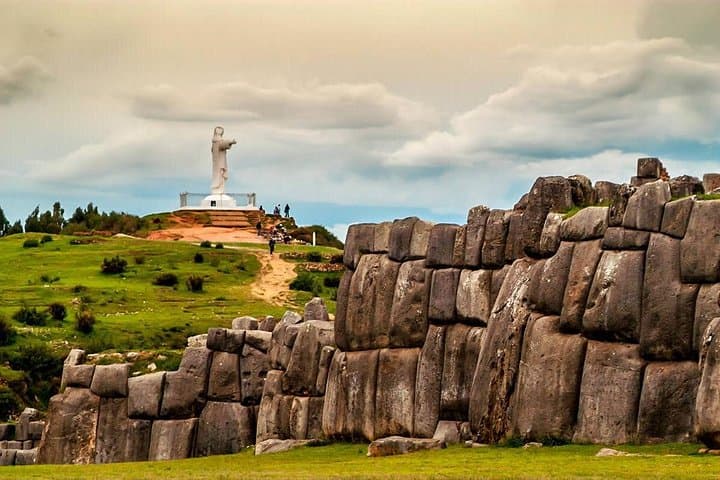
Cusco itself is a living mosaic of Inca masonry tamed by Spanish baroque: Qorikancha’s golden legacy is now footnotes in a convent’s cloister, while Sacsayhuamán displays the precision of megalithic fitting. The Sacred Valley spreads lower, its terraced fields and irrigation channels revealing centuries of Andean agronomy, and Chinchero’s markets keep textile traditions and Quechua language strong.
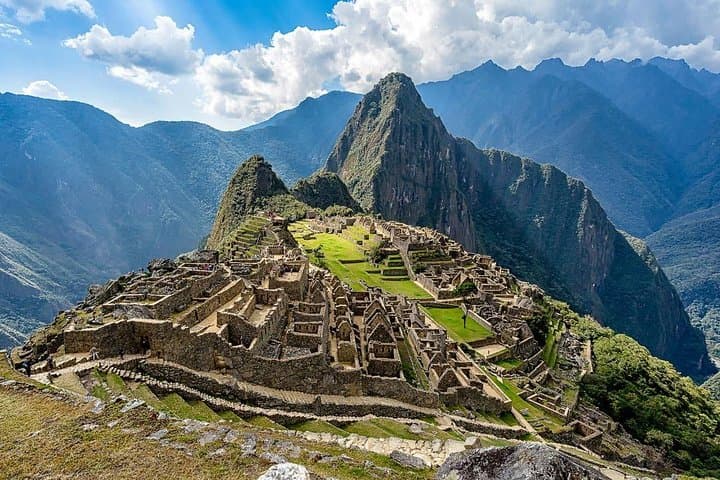
Geologically the route traces the eastern Andean escarpment into the Amazon watershed — limestone and granite drop into cloud forest where humidity feeds orchids and ferns. Machu Picchu, at roughly 2,430 m, is both engineered place and botanical edge: ramps and terraces meet cliffs, and the site’s design responds to seismic and water realities.
Practical notes: allow 4 days, carry your passport for Machu Picchu entry, and expect a mix of easy walking and uneven Inca stone with steps. Acclimatize in Cusco before heavy exertion; plan mornings for the most reliable light at ruins and afternoons for Sacred Valley markets. Comfortable walking shoes, a rain layer, sun protection and a reusable water bottle make a big difference. Guides handle logistics and the Expedition Train eases the mountain transit, letting you focus on the views and the history under your feet.
moderate.
4 days.
Suitable for travelers with basic fitness; involves several hours of walking, stairs, and high-altitude conditions requiring light endurance
Yes — a current passport is required for entry to Machu Picchu and must match the booking name.
The tour includes cobbled streets and many stone steps; while transfers and trains are handled, mobility limitations may make some sites difficult.
The itinerary focuses on guided visits and transfers; there is usually limited free time in Aguas Calientes, but you can explore the town before/after the main Machu Picchu visit.
The full-day Machu Picchu visit typically allocates several hours on site, including guided sections and independent time to walk terraces and viewpoints.
Cusco was the political and spiritual heart of the Inca Empire; many colonial structures were built atop Inca foundations, blending two distinct architectural legacies.
Visitor limits and guided routes at Machu Picchu aim to reduce erosion and protect archaeological fabric; stick to designated paths and avoid single-use plastics in protected areas.
Inkas Wonderland operates guided outdoor trips and adventures with an emphasis on safety, stewardship, and memorable experiences.
You step off the minivan in Cusco and the air feels thin and honest — the stone streets around you still wear the impression of Inca terraces, and distant ridgelines push cloud and forest into motion. Over the next four days this itinerary moves from colonial plazas and carved stone temples to highland agricultural terraces, then down into the green throat where Machu Picchu perches above the Urubamba River.
You step off the minivan in Cusco and the air feels thin and honest — the stone streets around you still wear the impression of Inca terraces, and distant ridgelines push cloud and forest into motion. Over the next four days this itinerary moves from colonial plazas and carved stone temples to highland agricultural terraces, then down into the green throat where Machu Picchu perches above the Urubamba River.
Cusco itself is a living mosaic of Inca masonry tamed by Spanish baroque: Qorikancha’s golden legacy is now footnotes in a convent’s cloister, while Sacsayhuamán displays the precision of megalithic fitting. The Sacred Valley spreads lower, its terraced fields and irrigation channels revealing centuries of Andean agronomy, and Chinchero’s markets keep textile traditions and Quechua language strong.
Geologically the route traces the eastern Andean escarpment into the Amazon watershed — limestone and granite drop into cloud forest where humidity feeds orchids and ferns. Machu Picchu, at roughly 2,430 m, is both engineered place and botanical edge: ramps and terraces meet cliffs, and the site’s design responds to seismic and water realities.
Practical notes: allow 4 days, carry your passport for Machu Picchu entry, and expect a mix of easy walking and uneven Inca stone with steps. Acclimatize in Cusco before heavy exertion; plan mornings for the most reliable light at ruins and afternoons for Sacred Valley markets. Comfortable walking shoes, a rain layer, sun protection and a reusable water bottle make a big difference. Guides handle logistics and the Expedition Train eases the mountain transit, letting you focus on the views and the history under your feet.