THE ADVENTURE COLLECTIVE® · Independent discovery and booking for outdoor travel

A compact 3-day private tour from Cusco to Machu Picchu that balances acclimatization, transit by train, and a guided 4–6 hour visit to the archaeological complex. Ideal for travelers who want a structured, private experience with local insights.
A compact 3-day private tour from Cusco to Machu Picchu that balances acclimatization, transit by train, and a guided 4–6 hour visit to the archaeological complex. Ideal for travelers who want a structured, private experience with local insights.
You step off the plane into thin air and a hollow, highland light—Cusco greets you with cobbled alleys, laundry lines, and a quiet that feels more like altitude than silence. Your guide meets you at arrivals, folding local rhythms into the itinerary as your body relearns breath. The first day is low-key: short walks around the Plaza de Armas and time to acclimatize before the long push to the Urubamba Valley.
Verified experiences and guided adventures in the surrounding area.
Operated by Kultour Perú · Cusco, Cusco
You step off the plane into thin air and a hollow, highland light—Cusco greets you with cobbled alleys, laundry lines, and a quiet that feels more like altitude than silence. Your guide meets you at arrivals, folding local rhythms into the itinerary as your body relearns breath. The first day is low-key: short walks around the Plaza de Armas and time to acclimatize before the long push to the Urubamba Valley.
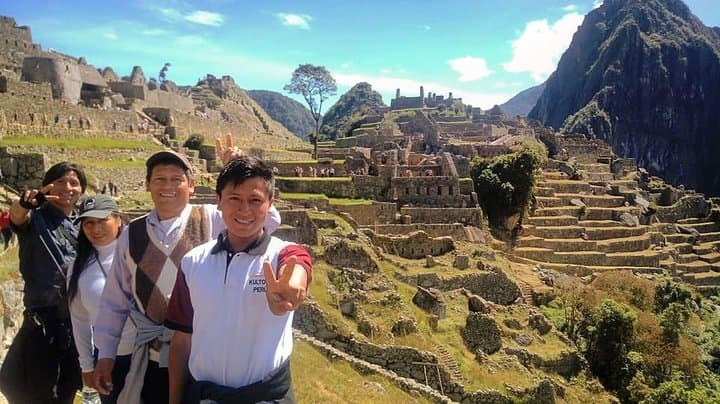
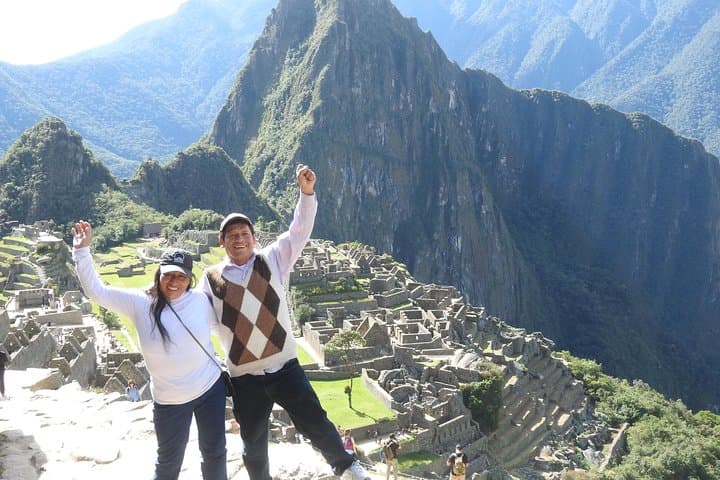
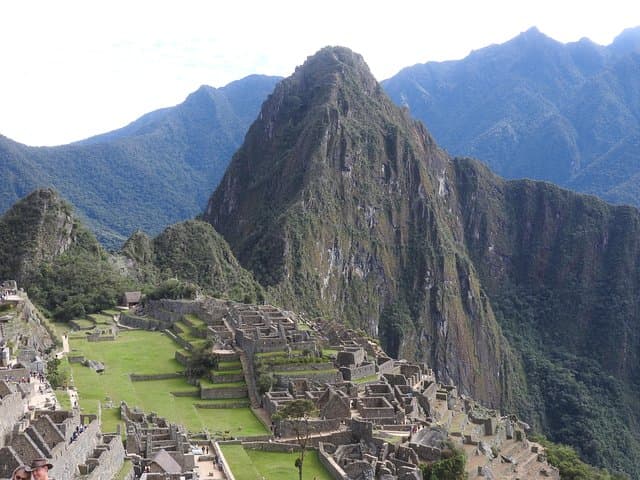
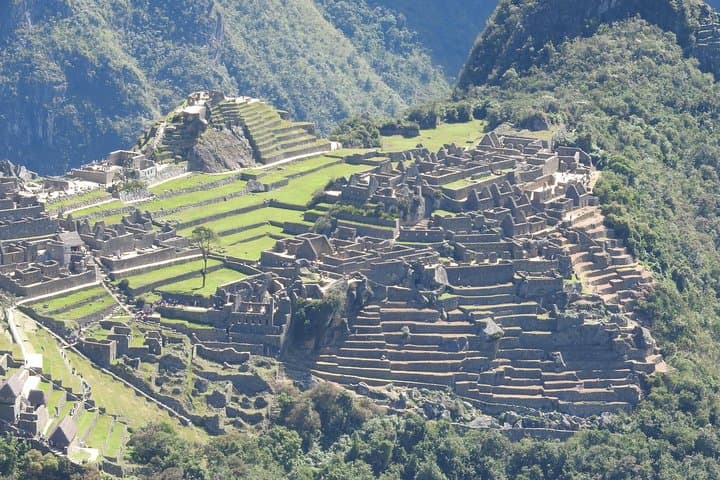
On day two, you leave before dawn for Ollantaytambo, then the train ride that threads terraces and cloud forest toward Aguas Calientes. At Machu Picchu the mountain itself exerts a gentle insistence; terraces and stone walls climb the slope where Inca engineers read the land. Geologically, you’re on uplifted Andean rock and Pleistocene river-cut valleys; ecologically, the transition from high puna near Cusco to humid montane forest near Machu Picchu is striking.
Cultural context matters: the itinerary passes through living Quechua communities, whose traditions and agricultural terraces have shaped the landscape for centuries. Guides often share the history of imperial construction, local weaving techniques, and the conservation rules that protect the site.
Practical notes: expect a 4–6 hour guided visit at Machu Picchu, long transit windows, and significant altitude change. Carry layers, water, and snacks; allow for train schedules and permit constraints. If altitude is a factor, plan extra acclimatization and communicate medical needs to your operator. The trip is as much logistical rhythm—trains, buses, timing—as it is a chance to walk among one of the most important archaeological complexes in the Americas.
moderate.
3 days.
Moderately fit: able to walk uneven stone terraces and handle several hours on your feet at altitude.
Most operator packages include the train segment; confirm class and departure times when booking since availability is limited.
Expect about 4–5 hours with a guide, including approach, a structured circuit, and time for photos and optional viewpoints.
Yes—Cusco sits around 3,400 m; take it easy on arrival, stay hydrated, avoid alcohol, and consider consulting a doctor about acetazolamide if you have prior issues.
Yes, hotels in Cusco and Aguas Calientes commonly provide luggage storage; confirm with your operator and hotel in advance.
The route follows Inca trade corridors and colonial transit towns; terraces around Ollantaytambo date to pre-Inca and Inca agricultural engineering.
Visitor impact is managed through timed entry and trail regulations—stick to marked paths and minimize single-use plastics to reduce strain on fragile ecosystems.
Kultour Perú operates guided outdoor trips and adventures with an emphasis on safety, stewardship, and memorable experiences.
You step off the plane into thin air and a hollow, highland light—Cusco greets you with cobbled alleys, laundry lines, and a quiet that feels more like altitude than silence. Your guide meets you at arrivals, folding local rhythms into the itinerary as your body relearns breath. The first day is low-key: short walks around the Plaza de Armas and time to acclimatize before the long push to the Urubamba Valley.
You step off the plane into thin air and a hollow, highland light—Cusco greets you with cobbled alleys, laundry lines, and a quiet that feels more like altitude than silence. Your guide meets you at arrivals, folding local rhythms into the itinerary as your body relearns breath. The first day is low-key: short walks around the Plaza de Armas and time to acclimatize before the long push to the Urubamba Valley.
On day two, you leave before dawn for Ollantaytambo, then the train ride that threads terraces and cloud forest toward Aguas Calientes. At Machu Picchu the mountain itself exerts a gentle insistence; terraces and stone walls climb the slope where Inca engineers read the land. Geologically, you’re on uplifted Andean rock and Pleistocene river-cut valleys; ecologically, the transition from high puna near Cusco to humid montane forest near Machu Picchu is striking.
Cultural context matters: the itinerary passes through living Quechua communities, whose traditions and agricultural terraces have shaped the landscape for centuries. Guides often share the history of imperial construction, local weaving techniques, and the conservation rules that protect the site.
Practical notes: expect a 4–6 hour guided visit at Machu Picchu, long transit windows, and significant altitude change. Carry layers, water, and snacks; allow for train schedules and permit constraints. If altitude is a factor, plan extra acclimatization and communicate medical needs to your operator. The trip is as much logistical rhythm—trains, buses, timing—as it is a chance to walk among one of the most important archaeological complexes in the Americas.