THE ADVENTURE COLLECTIVE® · Independent discovery and booking for outdoor travel

This two‑day itinerary combines a long scenic transfer from Cusco with a jungle walk along the hydroelectric train tracks and an overnight in Aguas Calientes before a dawn entry into Machu Picchu. Expect long days, varied terrain, and important altitude considerations.
This two‑day itinerary combines a long scenic transfer from Cusco with a jungle walk along the hydroelectric train tracks and an overnight in Aguas Calientes before a dawn entry into Machu Picchu. Expect long days, varied terrain, and important altitude considerations.
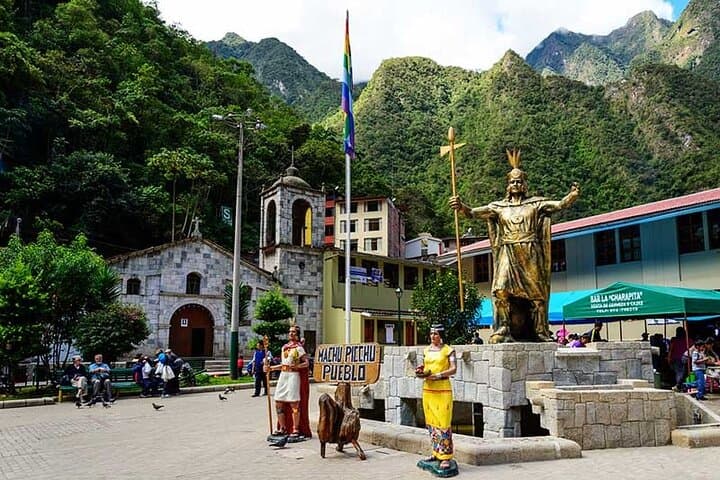
Morning air in the Sacred Valley is thin and bright; your group gathers in Cusco before a long drive that climbs and falls through puna grasslands and cloud forest. The first day is travel and a purposeful walk — a seven‑hour transfer to the hydroelectric stop, then a three‑hour trek along the train tracks into Aguas Calientes, the small town beneath Machu Picchu. Expect dense jungle smells, sudden river noise and the constant drum of the rails underfoot.
Verified experiences and guided adventures in the surrounding area.
Operated by Sun Paths · Aguas Calientes (Machupicchu Pueblo), Cusco
Morning air in the Sacred Valley is thin and bright; your group gathers in Cusco before a long drive that climbs and falls through puna grasslands and cloud forest. The first day is travel and a purposeful walk — a seven‑hour transfer to the hydroelectric stop, then a three‑hour trek along the train tracks into Aguas Calientes, the small town beneath Machu Picchu. Expect dense jungle smells, sudden river noise and the constant drum of the rails underfoot.
The route threads Inca country shaped by steep Andean geology: sandstone and granite folded into narrow valleys, with glaciers and rivers carving steep terraces the Incas used for farming. Machu Picchu itself dates to the 15th century and sits on a ridge above the Urubamba River; Hiram Bingham reintroduced it to the outside world in 1911. Local Quechua communities still steward paths and traditions — listen for bird calls and the occasional Quechua greeting.
Practical guidance: pack for altitude and humidity — layers for cool mornings and breathable rain protection for the jungle section. The walk along the rail is uneven and can be muddy; good boots and a headlamp for tunnels help. You’ll sleep in Aguas Calientes the first night, rise before dawn for your timed Machu Picchu entry, and either hike up or take the shuttle bus. Buy your Machu Picchu entry in advance when possible; capacity is limited. Bring cash for entrance fees not always included, and plan for limited connectivity in the sanctuary. Hydrate, pace yourself on stairs once inside Machu Picchu, and keep to marked paths to respect fragile archeology and local conservation efforts.
challenging.
2 days.
Good cardiovascular fitness and experience with long day hikes; able to walk 7+ hours and manage stairs at altitude
Yes — entrances are limited and timed; buy tickets ahead when possible. Some operators can purchase them for you but availability varies.
It’s a roughly 3‑hour, 10–12 km walk on flat but uneven ground following train tracks; expect muddy stretches and occasional river crossings.
Yes — from Aguas Calientes there is a shuttle bus to the Machu Picchu entrance (fee applies). Walking up takes longer and is steeper but free.
Cusco is at ~3,400 m; Aguas Calientes is much lower. If you come directly from low altitude, allow time to acclimatize in Cusco and watch for headache, nausea, or dizziness.
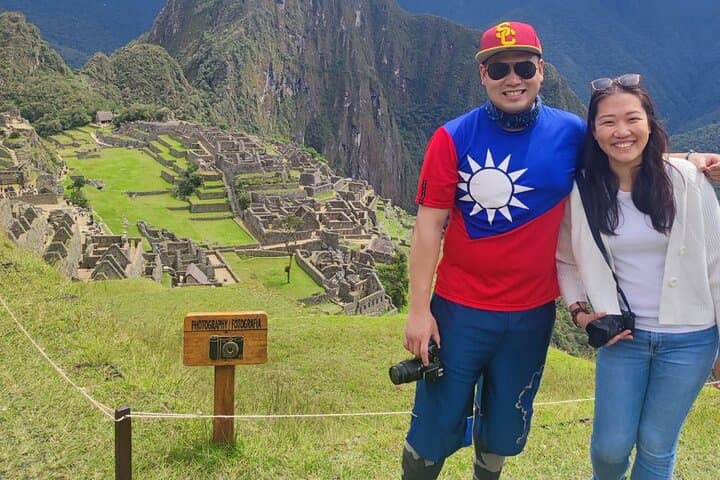
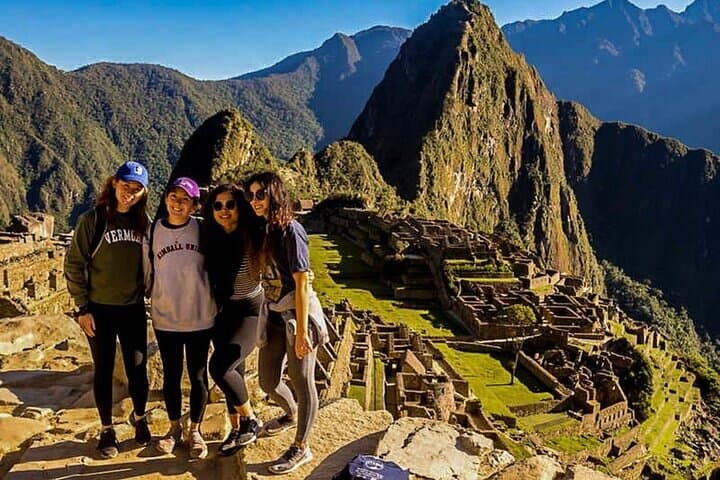
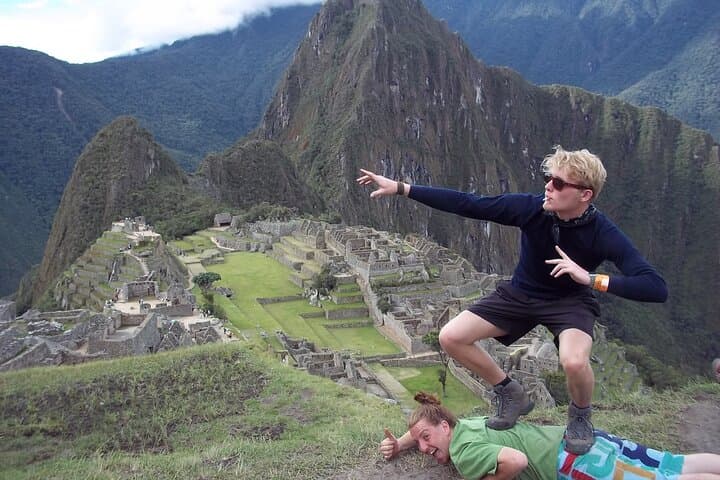
Machu Picchu is a 15th‑century Inca site built on a ridge above the Urubamba River; Hiram Bingham brought it to international attention in 1911.
Visitor numbers are regulated and routes are enforced to protect fragile stonework and cloud‑forest ecology; stick to paths, pack out waste, and consider buying local services to support communities.
Sun Paths operates guided outdoor trips and adventures with an emphasis on safety, stewardship, and memorable experiences.
Morning air in the Sacred Valley is thin and bright; your group gathers in Cusco before a long drive that climbs and falls through puna grasslands and cloud forest. The first day is travel and a purposeful walk — a seven‑hour transfer to the hydroelectric stop, then a three‑hour trek along the train tracks into Aguas Calientes, the small town beneath Machu Picchu. Expect dense jungle smells, sudden river noise and the constant drum of the rails underfoot.
Morning air in the Sacred Valley is thin and bright; your group gathers in Cusco before a long drive that climbs and falls through puna grasslands and cloud forest. The first day is travel and a purposeful walk — a seven‑hour transfer to the hydroelectric stop, then a three‑hour trek along the train tracks into Aguas Calientes, the small town beneath Machu Picchu. Expect dense jungle smells, sudden river noise and the constant drum of the rails underfoot.
The route threads Inca country shaped by steep Andean geology: sandstone and granite folded into narrow valleys, with glaciers and rivers carving steep terraces the Incas used for farming. Machu Picchu itself dates to the 15th century and sits on a ridge above the Urubamba River; Hiram Bingham reintroduced it to the outside world in 1911. Local Quechua communities still steward paths and traditions — listen for bird calls and the occasional Quechua greeting.
Practical guidance: pack for altitude and humidity — layers for cool mornings and breathable rain protection for the jungle section. The walk along the rail is uneven and can be muddy; good boots and a headlamp for tunnels help. You’ll sleep in Aguas Calientes the first night, rise before dawn for your timed Machu Picchu entry, and either hike up or take the shuttle bus. Buy your Machu Picchu entry in advance when possible; capacity is limited. Bring cash for entrance fees not always included, and plan for limited connectivity in the sanctuary. Hydrate, pace yourself on stairs once inside Machu Picchu, and keep to marked paths to respect fragile archeology and local conservation efforts.