THE ADVENTURE COLLECTIVE® · Independent discovery and booking for outdoor travel

A full-day journey from Cusco to Lake Titicaca that combines long scenic driving with a hands-on visit to the Uros floating islands. Expect cultural storytelling, simple reed architecture, and high-altitude scenery framed by wind and water.
A full-day journey from Cusco to Lake Titicaca that combines long scenic driving with a hands-on visit to the Uros floating islands. Expect cultural storytelling, simple reed architecture, and high-altitude scenery framed by wind and water.
Daybreak on the high plateau feels deliberate: a ribbon of asphalt climbs out of Cusco and the Andes open into wide, wind-swept altiplano as Titicaca’s distant rim appears like a cool blue promise. The journey itself is part of the ritual — six hours of slow panorama, passing terraced hills, villages where llamas browse, and timeworn Inca and pre-Inca sights that punctuate the Sun’s Route.
Verified experiences and guided adventures in the surrounding area.
Operated by Peru4Fun Servicios Turísticos EIRL · Puno, Puno Region
Daybreak on the high plateau feels deliberate: a ribbon of asphalt climbs out of Cusco and the Andes open into wide, wind-swept altiplano as Titicaca’s distant rim appears like a cool blue promise. The journey itself is part of the ritual — six hours of slow panorama, passing terraced hills, villages where llamas browse, and timeworn Inca and pre-Inca sights that punctuate the Sun’s Route.
Lake Titicaca is both geological marker and cultural stage. Formed by tectonic uplift and ancient glacial action, the lake sits at 3,810 meters and hosts the artificial reed islands of the Uros, made and maintained by Aymara families. Visits include short boat hops between floating islands, a close look at traditional reed architecture, and a shared altiplano lunch prepared with local ingredients.
Expect simple, human-scale encounters rather than luxury: guides narrate local history and textiles reveal centuries of weaving techniques. The lake’s winds shape the rhythm of the day — water that dares you to keep your hat on, reeds that bend like living architecture.
Practical guidance: plan for a very long day (12–14 hours) with lots of seated transit; altitude is the larger challenge, not the walking. Dress in layers, bring high-SPF sunscreen and a refillable water bottle, and budget extra time for photo stops. Boats are basic; mobility on the islands involves short uneven wooden and reed ramps, so steady shoes help. For travelers who value cultural contact and dramatic highland scenery, this is a compact, accessible immersion into one of South America’s most distinctive landscapes.
moderate.
12–14 hours.
Moderate — long day sitting and short easy walks; comfortable for most who are acclimatized.
Driving time one-way is about six hours; the full day trip including island visits typically runs 12–14 hours total.
Access involves short boat transfers and uneven reed ramps; minimal mobility issues can be accommodated but fully wheelchair-accessible access is limited.
Yes — a regional altiplanic lunch is provided, featuring local staples such as trout, potatoes, quinoa, and seasonal vegetables.
Yes — the lake sits around 3,810 m, so acclimatization, hydration, avoiding alcohol, and resting beforehand reduce symptoms; consult a doctor about medication if you’ve had prior issues.
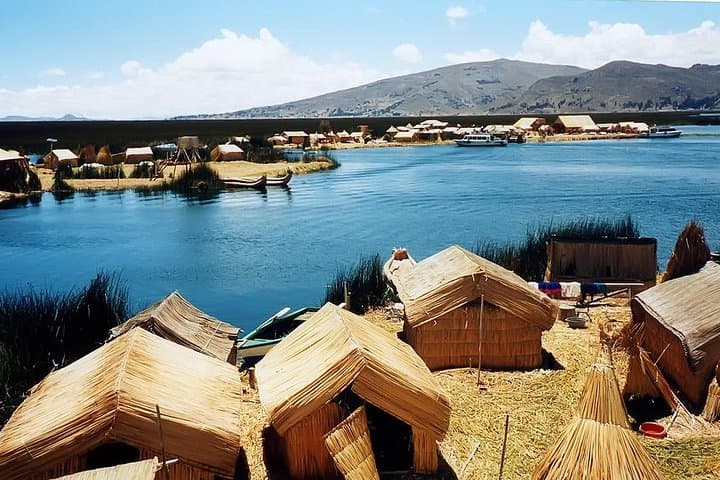
The Uros islands are an Aymara invention predating Inca dominance, created as floating refuges using totora reeds harvested from the lake.
Reed harvesting and tourism are closely linked; responsible visits support community income but visitors should avoid littering and respect local rules to protect reed beds.
Peru4Fun Servicios Turísticos EIRL operates guided outdoor trips and adventures with an emphasis on safety, stewardship, and memorable experiences.
Daybreak on the high plateau feels deliberate: a ribbon of asphalt climbs out of Cusco and the Andes open into wide, wind-swept altiplano as Titicaca’s distant rim appears like a cool blue promise. The journey itself is part of the ritual — six hours of slow panorama, passing terraced hills, villages where llamas browse, and timeworn Inca and pre-Inca sights that punctuate the Sun’s Route.
Daybreak on the high plateau feels deliberate: a ribbon of asphalt climbs out of Cusco and the Andes open into wide, wind-swept altiplano as Titicaca’s distant rim appears like a cool blue promise. The journey itself is part of the ritual — six hours of slow panorama, passing terraced hills, villages where llamas browse, and timeworn Inca and pre-Inca sights that punctuate the Sun’s Route.
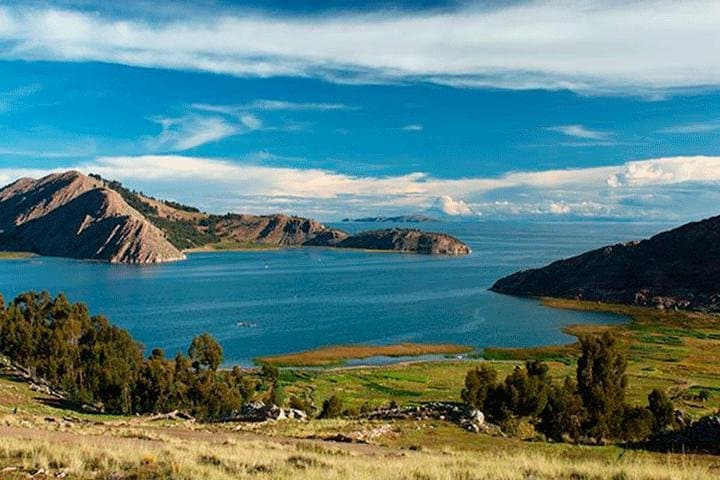
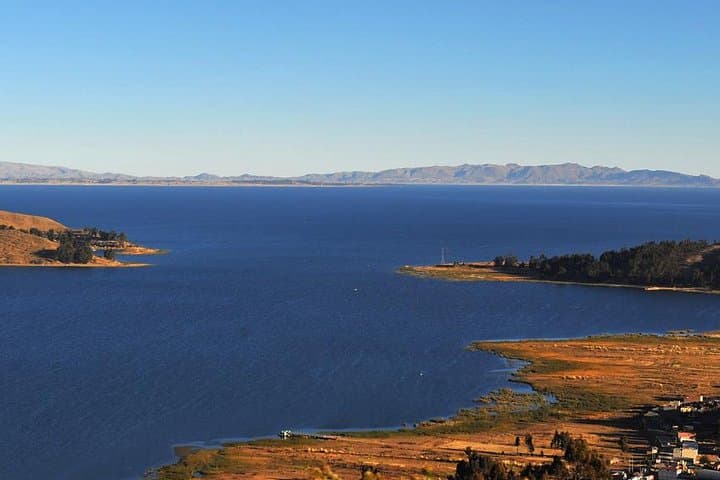
Lake Titicaca is both geological marker and cultural stage. Formed by tectonic uplift and ancient glacial action, the lake sits at 3,810 meters and hosts the artificial reed islands of the Uros, made and maintained by Aymara families. Visits include short boat hops between floating islands, a close look at traditional reed architecture, and a shared altiplano lunch prepared with local ingredients.
Expect simple, human-scale encounters rather than luxury: guides narrate local history and textiles reveal centuries of weaving techniques. The lake’s winds shape the rhythm of the day — water that dares you to keep your hat on, reeds that bend like living architecture.
Practical guidance: plan for a very long day (12–14 hours) with lots of seated transit; altitude is the larger challenge, not the walking. Dress in layers, bring high-SPF sunscreen and a refillable water bottle, and budget extra time for photo stops. Boats are basic; mobility on the islands involves short uneven wooden and reed ramps, so steady shoes help. For travelers who value cultural contact and dramatic highland scenery, this is a compact, accessible immersion into one of South America’s most distinctive landscapes.