THE ADVENTURE COLLECTIVE® · Independent discovery and booking for outdoor travel

A strenuous single-day journey from Cusco leads to Laguna Humantay, a glacial lagoon at 4,200 m renowned for its turquoise water and Salkantay views. This guide covers what to expect on the trail, cultural context, and practical preparation for high-altitude terrain.
A strenuous single-day journey from Cusco leads to Laguna Humantay, a glacial lagoon at 4,200 m renowned for its turquoise water and Salkantay views. This guide covers what to expect on the trail, cultural context, and practical preparation for high-altitude terrain.
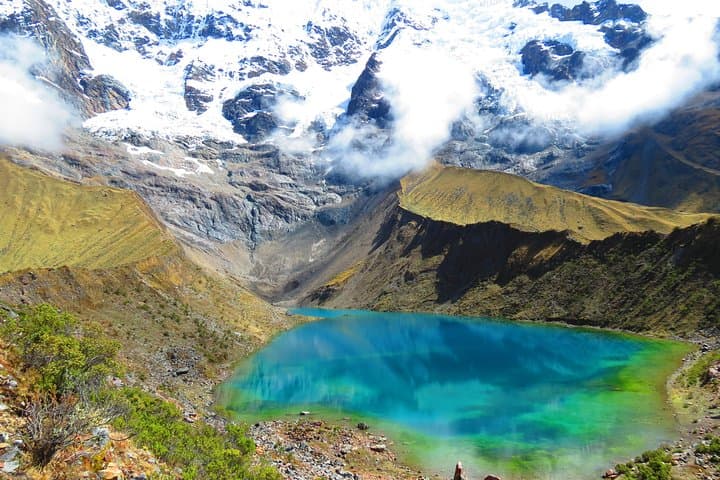
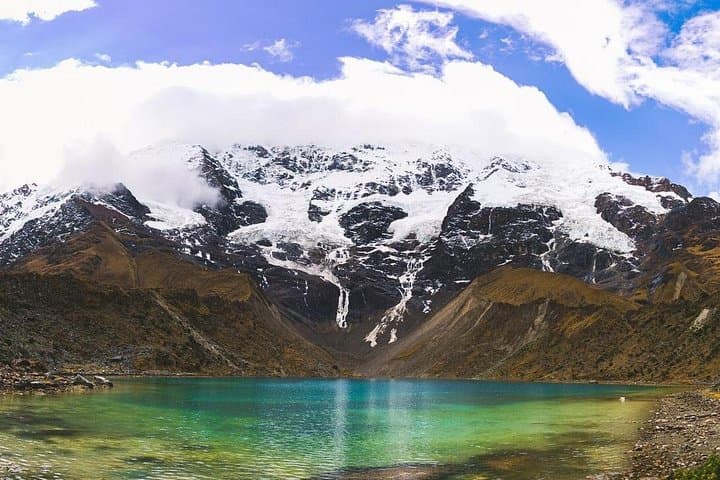
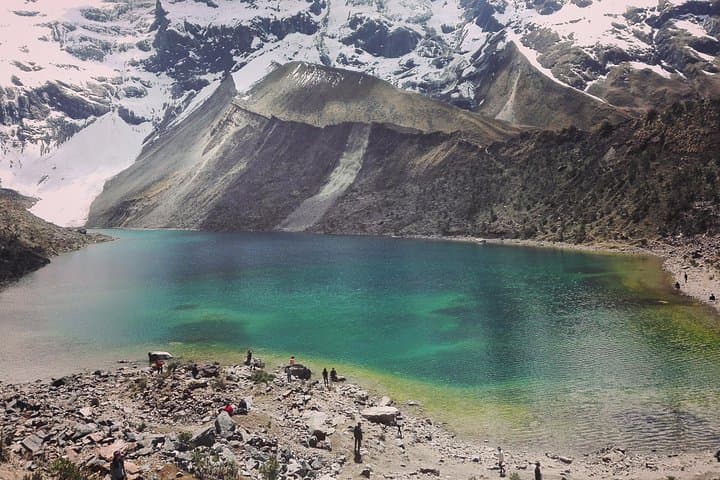
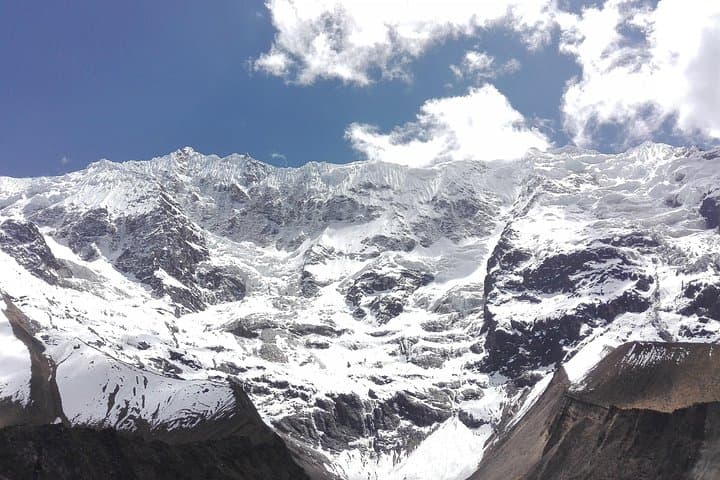
A pale bus unwinds out of Cusco before dawn, folding into the Andean light as the road climbs toward the Salkantay massif. At the Soraypampa trailhead, thin air pricks the lungs and the path narrows into scree and hardened peat. Above, a bowl of rock holds Humantay—water so vividly turquoise it reads like an alpine lens, rimmed by talus and the ice-scarred flanks of the Vilcabamba range.
Verified experiences and guided adventures in the surrounding area.
Operated by Peru4Fun Servicios Turísticos EIRL · Cusco, Cusco Region
A pale bus unwinds out of Cusco before dawn, folding into the Andean light as the road climbs toward the Salkantay massif. At the Soraypampa trailhead, thin air pricks the lungs and the path narrows into scree and hardened peat. Above, a bowl of rock holds Humantay—water so vividly turquoise it reads like an alpine lens, rimmed by talus and the ice-scarred flanks of the Vilcabamba range.
Humantay sits at roughly 4,200 m (13,800 ft), a glacially fed lagoon in a landscape the Incas considered sacred. Salkantay, the dominant peak nearby, is one of the region’s high APOs (apus) — mountain spirits that still feature in local offerings to Pachamama. Geologically the area is young Andes: uplifted bedrock, moraines and seasonal melt that feed the lake, producing the mineral-rich colors visitors prize.
Practical guidance: plan this as a long single day—expect 10 hours including transfers from Cusco. The trail from Soraypampa to the lake is short but steep (approx. 2–2.5 km one-way; ~350–500 m elevation gain) and often rocky or muddy. Acclimatize in Cusco for at least 24–48 hours; hydrate, eat carbohydrates, and move deliberately on the ascent. Sturdy waterproof boots, layered clothing for wind and sun, and trekking poles are highly recommended (poles often rentable locally). Morning light offers the best colors and fewer crowds; bring cash for small local purchases and respect ritual sites — leave offerings and trash at home. Humantay rewards steady effort with a crystalline pause at altitude: a bright lake, cold wind, and a sky that seems to push you toward the horizon.
challenging.
10 hours (including transfers).
Good cardiovascular fitness recommended; able to hike on steep, rocky trails for 1–2 hours at altitude
The trail is short but steep—about 2–2.5 km one-way with roughly 350–500 m of elevation gain; many visitors complete the ascent in 45–90 minutes depending on fitness and acclimatization.
Yes. The lake sits around 4,200 m; spending 24–48 hours in Cusco and hydrating before the hike greatly reduces altitude sickness risk.
Children can join with an accompanying adult, but the steep climb and high altitude make this tour unsuitable for people with serious heart or spinal issues, and not recommended for pregnant travelers.
Most full-day tour packages include entrance fees and permits; confirm with your operator and carry your passport as it is typically required for entry.
The area around Humantay sits inside landscapes long used by Andean peoples; mountains like Salkantay were venerated as apus in pre-Columbian and contemporary ritual practice.
Trails are fragile at high altitude—stick to beaten paths, pack out waste, and support local guides who contribute to permit fees and community conservation efforts.
Peru4Fun Servicios Turísticos EIRL operates guided outdoor trips and adventures with an emphasis on safety, stewardship, and memorable experiences.
A pale bus unwinds out of Cusco before dawn, folding into the Andean light as the road climbs toward the Salkantay massif. At the Soraypampa trailhead, thin air pricks the lungs and the path narrows into scree and hardened peat. Above, a bowl of rock holds Humantay—water so vividly turquoise it reads like an alpine lens, rimmed by talus and the ice-scarred flanks of the Vilcabamba range.
A pale bus unwinds out of Cusco before dawn, folding into the Andean light as the road climbs toward the Salkantay massif. At the Soraypampa trailhead, thin air pricks the lungs and the path narrows into scree and hardened peat. Above, a bowl of rock holds Humantay—water so vividly turquoise it reads like an alpine lens, rimmed by talus and the ice-scarred flanks of the Vilcabamba range.
Humantay sits at roughly 4,200 m (13,800 ft), a glacially fed lagoon in a landscape the Incas considered sacred. Salkantay, the dominant peak nearby, is one of the region’s high APOs (apus) — mountain spirits that still feature in local offerings to Pachamama. Geologically the area is young Andes: uplifted bedrock, moraines and seasonal melt that feed the lake, producing the mineral-rich colors visitors prize.
Practical guidance: plan this as a long single day—expect 10 hours including transfers from Cusco. The trail from Soraypampa to the lake is short but steep (approx. 2–2.5 km one-way; ~350–500 m elevation gain) and often rocky or muddy. Acclimatize in Cusco for at least 24–48 hours; hydrate, eat carbohydrates, and move deliberately on the ascent. Sturdy waterproof boots, layered clothing for wind and sun, and trekking poles are highly recommended (poles often rentable locally). Morning light offers the best colors and fewer crowds; bring cash for small local purchases and respect ritual sites — leave offerings and trash at home. Humantay rewards steady effort with a crystalline pause at altitude: a bright lake, cold wind, and a sky that seems to push you toward the horizon.