THE ADVENTURE COLLECTIVE® · Independent discovery and booking for outdoor travel

This two-day Short Inca Trail condenses classic Inca engineering, cloud-forest hiking, and a dawn visit to Machu Picchu into an accessible overnight itinerary. Expect steep stone steps, archaeological waypoints like Wiñaywayna, and a sunrise arrival through the Sun Gate.
This two-day Short Inca Trail condenses classic Inca engineering, cloud-forest hiking, and a dawn visit to Machu Picchu into an accessible overnight itinerary. Expect steep stone steps, archaeological waypoints like Wiñaywayna, and a sunrise arrival through the Sun Gate.
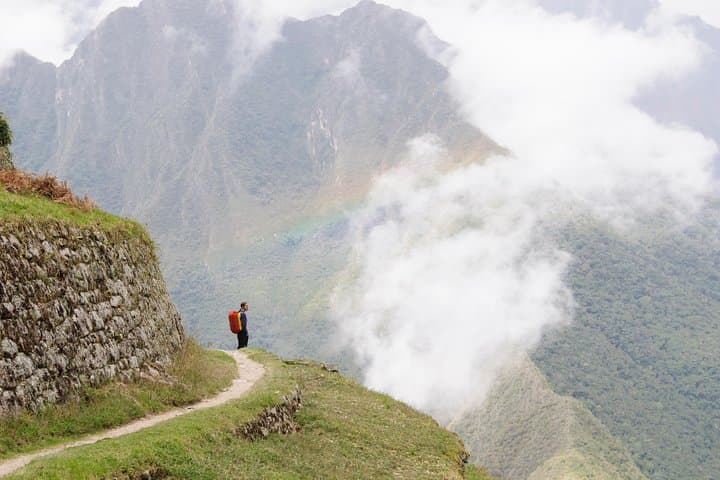
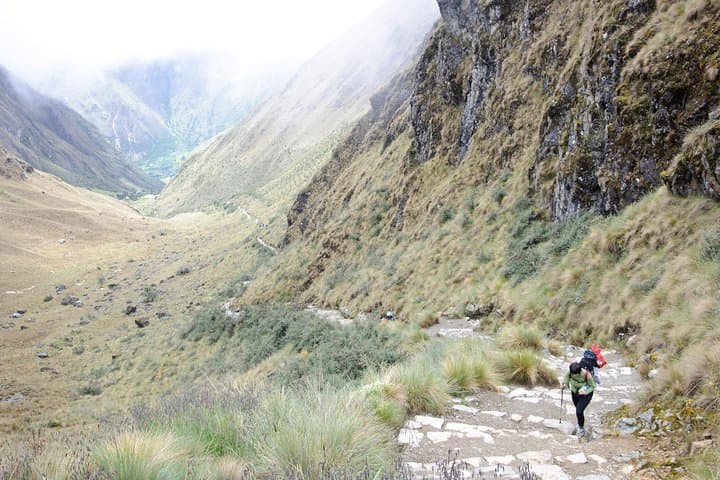
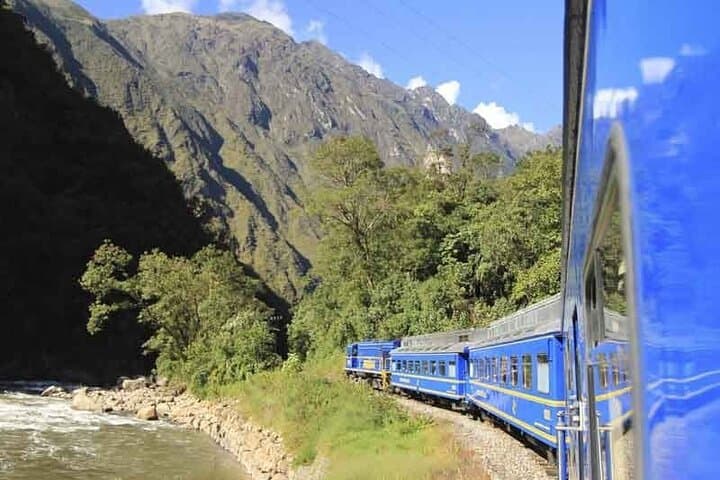
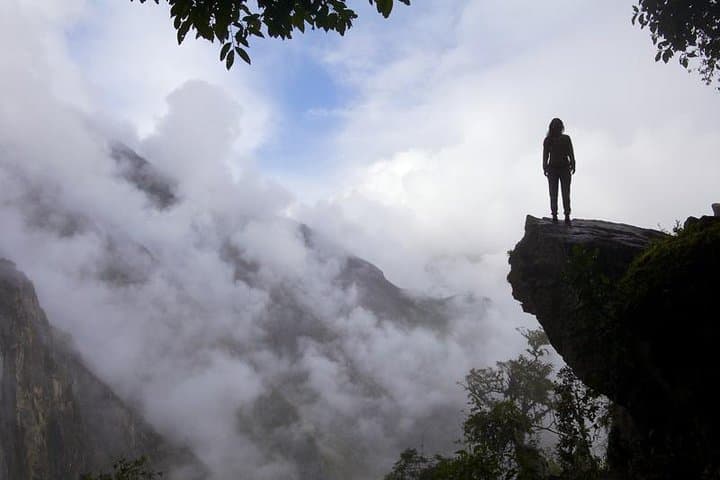
Morning fog peels back from the steep green walls as a small group steps onto the ancient stone path at kilometer 104. The railway hums below and the Urubamba River dares you onward; terraces and crumbling walls appear between cloud and forest. Over a long day of stepped trail, the path climbs through Polylepis and orchid-studded cloud forest to Wiñaywayna, a compact Inca complex, and then stretches toward the Sun Gate—your first formal view of Machu Picchu framed like a found secret.
Verified experiences and guided adventures in the surrounding area.
Operated by Howlanders · Aguas Calientes, Cusco
Morning fog peels back from the steep green walls as a small group steps onto the ancient stone path at kilometer 104. The railway hums below and the Urubamba River dares you onward; terraces and crumbling walls appear between cloud and forest. Over a long day of stepped trail, the path climbs through Polylepis and orchid-studded cloud forest to Wiñaywayna, a compact Inca complex, and then stretches toward the Sun Gate—your first formal view of Machu Picchu framed like a found secret.
The Short Inca Trail compresses Inca engineering and Andean history into a concentrated trek. The route follows the same switchbacks and stone stairways the Incas used, passing agricultural terraces and ritual sites that speak to a 15th‑century logistical network built for ceremony and movement. Geologically, you move from river valley into humid montane cloud forest; erosion and ancient masonry produce the stepped landscapes you’ll cross.
Culturally, guides translate Quechua place names and point out recycled stonework; in Aguas Calientes the town’s tourist economy centers on thermal baths and local cuisine.
Practical guidance: allow 48 hours in Cusco beforehand to acclimatize, bring a lightweight rain shell (weather changes quickly), and carry layered clothing for pre-dawn cold and midday sun. Expect roughly 10–12 km of hiking spread over one major day with uneven stone staircases and ~300–600 m of cumulative ascent depending on pacing. Permits required for the Inca Trail and Machu Picchu are included with guided bookings, so confirm train times and meeting locations the day before. Move deliberately, hydrate frequently, and save energy for the Sun Gate moment—Machu Picchu rewards patience as much as effort.
moderate.
2 days.
Moderate fitness required; comfortable on sustained uphill sections, able to manage stairs and high‑altitude walking
Yes. Entry permits for the Inca Trail and Machu Picchu are required and are handled through guided operators; they must be booked in advance.
The hike is moderate but altitude (2,400–2,700 m on trail, higher in Cusco) can make effort feel harder; acclimatization in Cusco and slow pace help.
Toilets are limited and basic along the route; lunch is provided by the operator at designated stops, and Aguas Calientes has restaurants and hot springs.
Huayna Picchu requires a separate permit and is typically not included in two-day Short Inca Trail itineraries—book in advance if desired.
The Inca Trail is part of a broader pre-Columbian road network that linked political and ceremonial centers; Machu Picchu itself dates to the 15th century.
The area is subject to strict permit limits and timed entries to reduce wear; practice Leave No Trace and follow guide instructions to protect fragile sites.
Howlanders operates guided outdoor trips and adventures with an emphasis on safety, stewardship, and memorable experiences.
Morning fog peels back from the steep green walls as a small group steps onto the ancient stone path at kilometer 104. The railway hums below and the Urubamba River dares you onward; terraces and crumbling walls appear between cloud and forest. Over a long day of stepped trail, the path climbs through Polylepis and orchid-studded cloud forest to Wiñaywayna, a compact Inca complex, and then stretches toward the Sun Gate—your first formal view of Machu Picchu framed like a found secret.
Morning fog peels back from the steep green walls as a small group steps onto the ancient stone path at kilometer 104. The railway hums below and the Urubamba River dares you onward; terraces and crumbling walls appear between cloud and forest. Over a long day of stepped trail, the path climbs through Polylepis and orchid-studded cloud forest to Wiñaywayna, a compact Inca complex, and then stretches toward the Sun Gate—your first formal view of Machu Picchu framed like a found secret.
The Short Inca Trail compresses Inca engineering and Andean history into a concentrated trek. The route follows the same switchbacks and stone stairways the Incas used, passing agricultural terraces and ritual sites that speak to a 15th‑century logistical network built for ceremony and movement. Geologically, you move from river valley into humid montane cloud forest; erosion and ancient masonry produce the stepped landscapes you’ll cross.
Culturally, guides translate Quechua place names and point out recycled stonework; in Aguas Calientes the town’s tourist economy centers on thermal baths and local cuisine.
Practical guidance: allow 48 hours in Cusco beforehand to acclimatize, bring a lightweight rain shell (weather changes quickly), and carry layered clothing for pre-dawn cold and midday sun. Expect roughly 10–12 km of hiking spread over one major day with uneven stone staircases and ~300–600 m of cumulative ascent depending on pacing. Permits required for the Inca Trail and Machu Picchu are included with guided bookings, so confirm train times and meeting locations the day before. Move deliberately, hydrate frequently, and save energy for the Sun Gate moment—Machu Picchu rewards patience as much as effort.