THE ADVENTURE COLLECTIVE® · Independent discovery and booking for outdoor travel

A five-day alternative to the Inca Trail that rises over a 4,600 m pass, the Salkantay Trek pairs dramatic glaciated views with descending cloud-forest ecosystems and a final arrival in Machu Picchu. Prepare for altitude, variable weather, and steep day climbs.
A five-day alternative to the Inca Trail that rises over a 4,600 m pass, the Salkantay Trek pairs dramatic glaciated views with descending cloud-forest ecosystems and a final arrival in Machu Picchu. Prepare for altitude, variable weather, and steep day climbs.
A thin dawn presses cold air into your lungs as the van cuts out of Cusco toward Sorayapampa. By first light the hulking, razor-edged massif of Salkantay—its glaciers and corniced ridgelines—fills the horizon, dwarfing the cordillera and setting the scale for the next five days. The trail moves you through habitats as if flipping pages: alpine tundra below the glacier, cloud forest dripping with orchids, then humid river valleys where coffee farms edge the path.
Verified experiences and guided adventures in the surrounding area.
Operated by Machu Picchu Peru Cusco · Cusco, Cusco
A thin dawn presses cold air into your lungs as the van cuts out of Cusco toward Sorayapampa. By first light the hulking, razor-edged massif of Salkantay—its glaciers and corniced ridgelines—fills the horizon, dwarfing the cordillera and setting the scale for the next five days. The trail moves you through habitats as if flipping pages: alpine tundra below the glacier, cloud forest dripping with orchids, then humid river valleys where coffee farms edge the path.
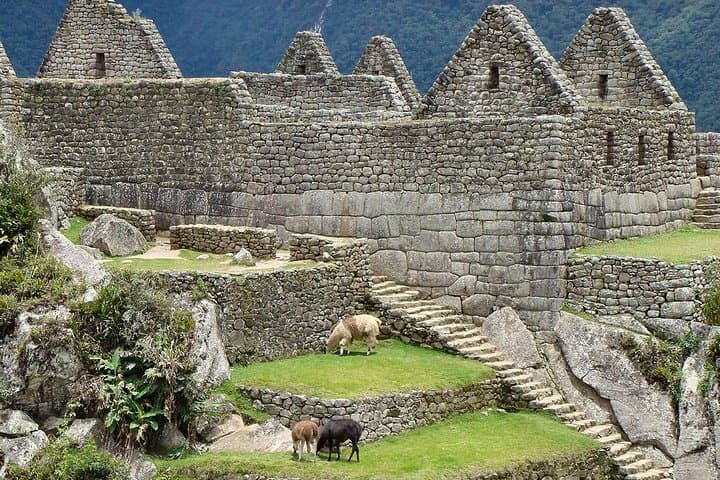
Geologically, the route traces uplifted, glaciated peaks of the Vilcabamba range; Salkantay itself is a granitic, snow-sculpted landmark that drove local Andean cosmology and remains a topographic marker for navigation. Culturally, the trek threads Quechua farming communities and small Inca waystations—Llactapata and other ruins along the final approach remind hikers of pre-Columbian engineering and the corridor that links high puna to tropical Amazon fringe.
Expect five days of sustained hiking, a high pass near 4,650 m (15,300 ft), steep switchbacks, and significant altitude variance between camps. Nights are in staffed camps and a final night in Aguas Calientes. Practical posture: prioritize acclimatization in Cusco for 24–48 hours, use layered clothing, carry water treatment or purification tablets, and plan for weather swings from sun to sleet in a single afternoon. Footwear with solid ankle support and gaiters help on muddy descents. Respect local communities—ask before photographing farms and support local coffee stops. Booking often includes porters and a cook; still carry a daypack with essentials. With preparation this route rewards with sweeping glacier views, cloud-forest biodiversity, and an arrival at Machu Picchu that feels earned rather than handed to you.
challenging.
5 days.
Good cardiovascular fitness and experience with day hikes at altitude; previous multi-day backpacking helpful
Most tour packages include the Machu Picchu entrance; confirm with your operator—Huayna Picchu and Machu Picchu Mountain need separate, limited permits booked in advance.
The pass day is the most demanding: sustained ascent to ~4,650 m with thin air and cold; pacing, frequent breaks, and prior acclimatization make it manageable for fit hikers.
Many operators include camping equipment, porters, and a cook—verify inclusions in your booking to know what personal gear you'll need to carry.
You can hike year-round, but the dry season (May–Sep) offers the most stable weather and best visibility; wet season brings mud and higher logistical risk.
The route follows Andean corridors used for centuries and passes small Inca sites like Llactapata; the valley later aided Hiram Bingham’s 1911 expedition to Machu Picchu.
Trail traffic concentrates impact; stick to established campsites and avoid single-use plastics—support operators who use staffed porters and leave-no-trace practices.
Machu Picchu Peru Cusco operates guided outdoor trips and adventures with an emphasis on safety, stewardship, and memorable experiences.
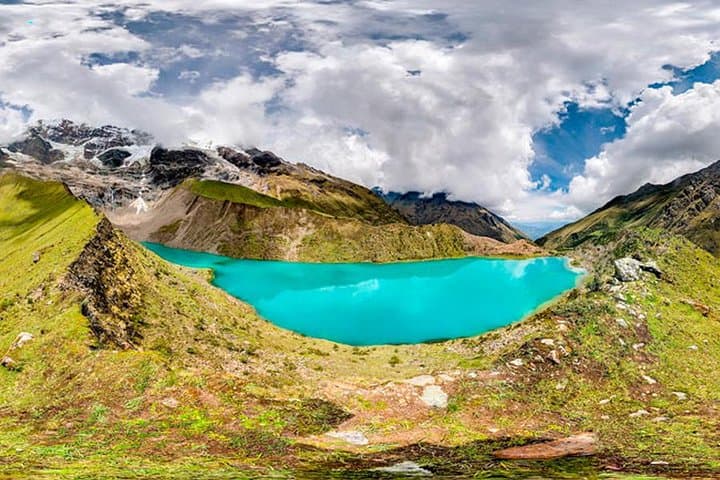
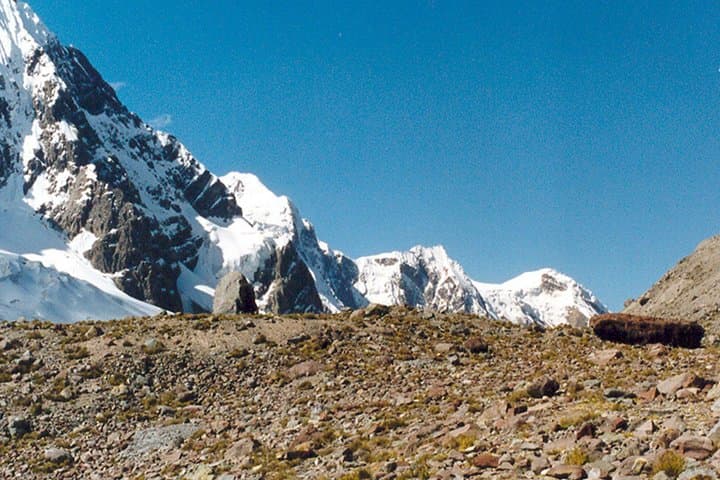
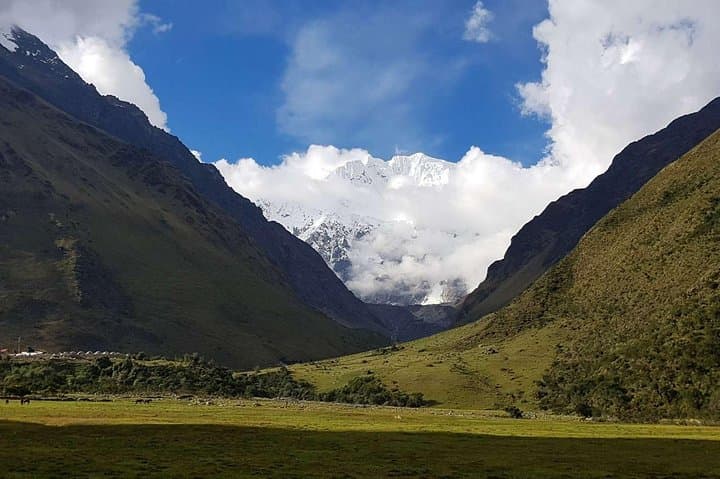
A thin dawn presses cold air into your lungs as the van cuts out of Cusco toward Sorayapampa. By first light the hulking, razor-edged massif of Salkantay—its glaciers and corniced ridgelines—fills the horizon, dwarfing the cordillera and setting the scale for the next five days. The trail moves you through habitats as if flipping pages: alpine tundra below the glacier, cloud forest dripping with orchids, then humid river valleys where coffee farms edge the path.
A thin dawn presses cold air into your lungs as the van cuts out of Cusco toward Sorayapampa. By first light the hulking, razor-edged massif of Salkantay—its glaciers and corniced ridgelines—fills the horizon, dwarfing the cordillera and setting the scale for the next five days. The trail moves you through habitats as if flipping pages: alpine tundra below the glacier, cloud forest dripping with orchids, then humid river valleys where coffee farms edge the path.
Geologically, the route traces uplifted, glaciated peaks of the Vilcabamba range; Salkantay itself is a granitic, snow-sculpted landmark that drove local Andean cosmology and remains a topographic marker for navigation. Culturally, the trek threads Quechua farming communities and small Inca waystations—Llactapata and other ruins along the final approach remind hikers of pre-Columbian engineering and the corridor that links high puna to tropical Amazon fringe.
Expect five days of sustained hiking, a high pass near 4,650 m (15,300 ft), steep switchbacks, and significant altitude variance between camps. Nights are in staffed camps and a final night in Aguas Calientes. Practical posture: prioritize acclimatization in Cusco for 24–48 hours, use layered clothing, carry water treatment or purification tablets, and plan for weather swings from sun to sleet in a single afternoon. Footwear with solid ankle support and gaiters help on muddy descents. Respect local communities—ask before photographing farms and support local coffee stops. Booking often includes porters and a cook; still carry a daypack with essentials. With preparation this route rewards with sweeping glacier views, cloud-forest biodiversity, and an arrival at Machu Picchu that feels earned rather than handed to you.