THE ADVENTURE COLLECTIVE® · Independent discovery and booking for outdoor travel

This 5-day Salkantay route links high Andean passes with jungle descent and a dawn arrival at Machu Picchu. Expect steep climbs, striking glacial lakes, and a final sunrise over the ruins—altitude and variable weather are the real tests.
This 5-day Salkantay route links high Andean passes with jungle descent and a dawn arrival at Machu Picchu. Expect steep climbs, striking glacial lakes, and a final sunrise over the ruins—altitude and variable weather are the real tests.
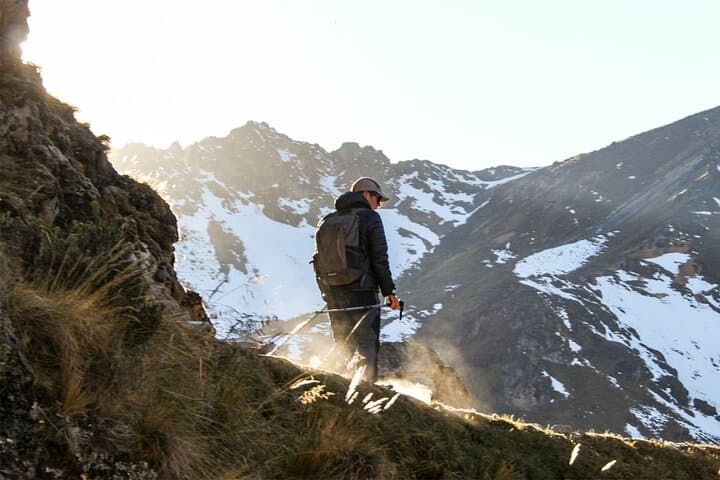
You wake before dawn in Cusco and the van slices through sleeping streets toward the high Andes. By midmorning the road narrows and the peaks press close; wind pushes across moraine and ice as you step out at Soraypampa and feel the altitude in every breath.
Verified experiences and guided adventures in the surrounding area.
Operated by Wondrous Expeditions · Cusco, Cusco Region
You wake before dawn in Cusco and the van slices through sleeping streets toward the high Andes. By midmorning the road narrows and the peaks press close; wind pushes across moraine and ice as you step out at Soraypampa and feel the altitude in every breath.
The route follows the old Salkantay corridor — a geological seam where granite and glacial ice meet cloud forest. Humantay Lagoon shimmers a vivid turquoise below hanging glaciers; higher, the Salkantay massif (over 6,200 m) dominates the skyline as an ancient landmark for Andean communities. Descending from the 4,600 m pass, the world changes fast: alpine stone gives way to waterfalls, tropical farms and the humid canopy of Santa Teresa.
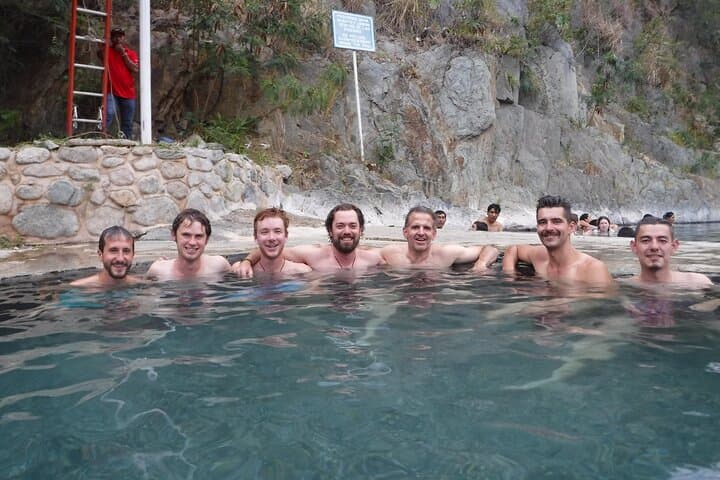
Culturally the trek threads modern villages and Inca-era pathways, offering coffee farms, hot springs and the rail line pilgrims once traced to Aguas Calientes. Guides here combine local knowledge with practical mountain craft — using coca tea for acclimatization and horses to carry heavier loads.
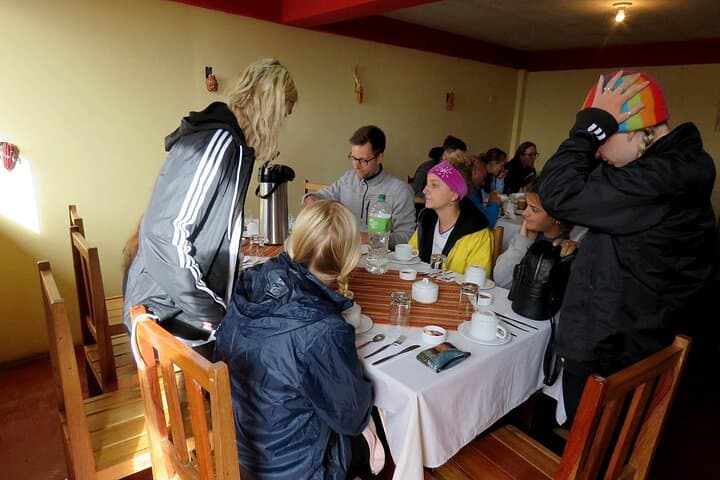
Practical notes: the itinerary is camping-forward with one hostel night and a final guided entry to Machu Picchu at sunrise. Expect long days (up to 7–8 hours hiking), steep ascents, and big temperature swings between night and midday. Book your Machu Picchu ticket well in advance, travel light (pack support covers only ~5 kg), and prioritize a good sleeping bag and waterproof layers. Hydrate, pace uphill, and give yourself an extra day in Cusco to acclimatize if possible — altitude, not distance, is the primary challenge.
challenging.
5 days.
Good cardiovascular fitness and previous multi-day hiking experience recommended; must handle steep ascents and high altitude.
The itinerary lists the Machu Picchu ticket as included, but confirm the specific date and entry type at booking since slots must be reserved in advance.
Day 2 is the most demanding: a steep ascent to around 4,600 m with many switchbacks; allow 6–8 hours and pace conservatively.
Yes — the standard return is by minivan from Hidroeléctrica to Cusco; you can upgrade to the scenic train (additional cost and advance booking required).
Pack horses carry up to about 5 kg per person for the first three days; personal daypacks should contain water, layers and electronics.
Salkantay is a glaciated peak long recognized by Andean communities; the trail follows pre-Columbian routes later used by the Incas to connect highlands with jungle settlements.
High foot traffic and campsite use require strict Leave No Trace practice; stick to established campsites, pack out waste, and support guides who contribute to local conservation fees.
Wondrous Expeditions operates guided outdoor trips and adventures with an emphasis on safety, stewardship, and memorable experiences.
You wake before dawn in Cusco and the van slices through sleeping streets toward the high Andes. By midmorning the road narrows and the peaks press close; wind pushes across moraine and ice as you step out at Soraypampa and feel the altitude in every breath.
You wake before dawn in Cusco and the van slices through sleeping streets toward the high Andes. By midmorning the road narrows and the peaks press close; wind pushes across moraine and ice as you step out at Soraypampa and feel the altitude in every breath.
The route follows the old Salkantay corridor — a geological seam where granite and glacial ice meet cloud forest. Humantay Lagoon shimmers a vivid turquoise below hanging glaciers; higher, the Salkantay massif (over 6,200 m) dominates the skyline as an ancient landmark for Andean communities. Descending from the 4,600 m pass, the world changes fast: alpine stone gives way to waterfalls, tropical farms and the humid canopy of Santa Teresa.
Culturally the trek threads modern villages and Inca-era pathways, offering coffee farms, hot springs and the rail line pilgrims once traced to Aguas Calientes. Guides here combine local knowledge with practical mountain craft — using coca tea for acclimatization and horses to carry heavier loads.
Practical notes: the itinerary is camping-forward with one hostel night and a final guided entry to Machu Picchu at sunrise. Expect long days (up to 7–8 hours hiking), steep ascents, and big temperature swings between night and midday. Book your Machu Picchu ticket well in advance, travel light (pack support covers only ~5 kg), and prioritize a good sleeping bag and waterproof layers. Hydrate, pace uphill, and give yourself an extra day in Cusco to acclimatize if possible — altitude, not distance, is the primary challenge.