THE ADVENTURE COLLECTIVE® · Independent discovery and booking for outdoor travel

A five-day alternative route to Machu Picchu that climbs over the Salkantay pass, traverses puna and cloud forest, and finishes with a guided visit to the citadel. Expect high-altitude days, diverse ecosystems, and a mix of camping and one hotel night.
A five-day alternative route to Machu Picchu that climbs over the Salkantay pass, traverses puna and cloud forest, and finishes with a guided visit to the citadel. Expect high-altitude days, diverse ecosystems, and a mix of camping and one hotel night.
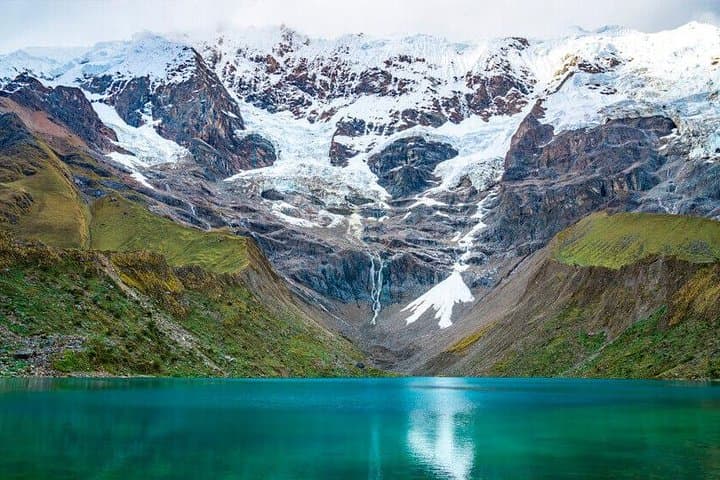
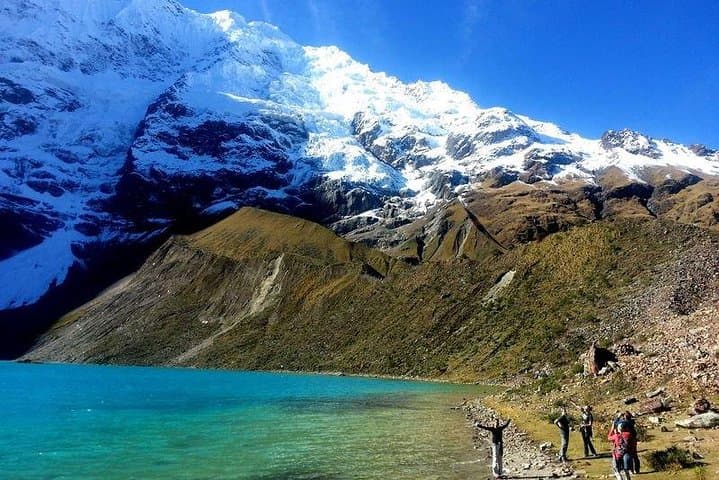
Dawn breaks cold and thin at Soraypampa, the air tasting of glacial stone as the first silhouettes of Salkantay and Humantay rear above the valley. The trail climbs under a sky that can shift from blinding sun to wind-driven cloud in an hour, sending you from puna grass and wind-scoured moraine to the humid, green lungs of the cloud forest.
Verified experiences and guided adventures in the surrounding area.
Operated by Grand America · Cusco, Cusco Region
Dawn breaks cold and thin at Soraypampa, the air tasting of glacial stone as the first silhouettes of Salkantay and Humantay rear above the valley. The trail climbs under a sky that can shift from blinding sun to wind-driven cloud in an hour, sending you from puna grass and wind-scoured moraine to the humid, green lungs of the cloud forest.
This route is an Inca-era corridor repurposed by centuries of Andean life. Geologically, glaciers carved the high passes and left turquoise lagoons; lower slopes hold volcanic soils where coffee and fruit thrive. Culturally, Salkantay is one of the region’s apus, a sacred mountain that frames local ritual and provides the spine for an alternative approach to Machu Picchu. Llactapata, a lesser-visited Inca site on day four, offers a direct sightline to the citadel and a quiet classroom on Inca engineering.
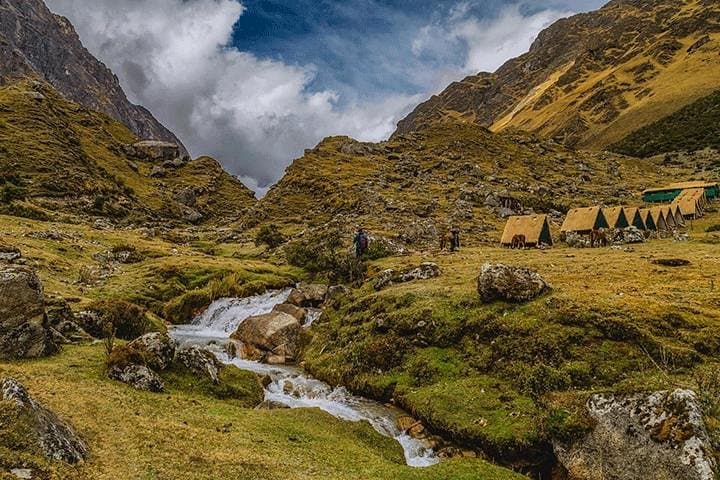
Practically, expect four nights—three tented, one in Aguas Calientes—daily walks of 4–8 hours, and the highest point near the Salkantay pass around 4,600 m. Altitude is the real challenge: pace early days slowly, drink frequently, and sleep lower when possible. Weather shifts fast—layers, waterproofs and sun protection are non-negotiable. The final morning brings a guided two-hour circuit of Machu Picchu and late-afternoon trains back to the Sacred Valley. Permits and Machu Picchu entry are required; if you want Huayna Picchu, reserve that slot well in advance.
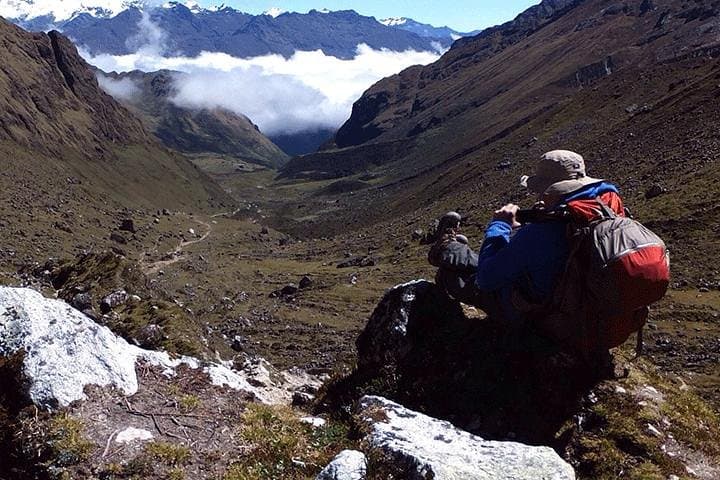
This trek rewards with vast high-mountain panoramas, intimate cloud-forest life, and the slow reveal of the citadel—a compact, strenuous, and deeply scenic route to one of the Americas’ most famous archaeological sites.
challenging.
5 days.
Good aerobic fitness and previous multi-day hiking experience recommended; comfortable with long uphill days at altitude.
Yes. Entrance tickets to Machu Picchu are required and often sell out; reserve the day you plan to visit and any Huayna/Machu Picchu Mountain permits in advance.
The pass day is the highest and most demanding, typically involving 6–8 hours with steep sections up to ~4,600 m; slow pacing and hydration are essential.
This itinerary includes 4 nights accommodation (tented for most nights) and meals as listed—breakfast, lunch and dinner are provided during the trek.
Children must be accompanied by an adult, but the trip is only suitable for children who are experienced hikers and can handle altitude and long days.
Salkantay has long been held as an apu, or sacred mountain, and the trail follows ancient corridors that connected highland communities to lower tropical valleys and the Inca heartland.
High visitor numbers strain trails and camp sites; stick to established camps, carry out waste, and respect local water sources to minimize impact.
Grand America operates guided outdoor trips and adventures with an emphasis on safety, stewardship, and memorable experiences.
Dawn breaks cold and thin at Soraypampa, the air tasting of glacial stone as the first silhouettes of Salkantay and Humantay rear above the valley. The trail climbs under a sky that can shift from blinding sun to wind-driven cloud in an hour, sending you from puna grass and wind-scoured moraine to the humid, green lungs of the cloud forest.
Dawn breaks cold and thin at Soraypampa, the air tasting of glacial stone as the first silhouettes of Salkantay and Humantay rear above the valley. The trail climbs under a sky that can shift from blinding sun to wind-driven cloud in an hour, sending you from puna grass and wind-scoured moraine to the humid, green lungs of the cloud forest.
This route is an Inca-era corridor repurposed by centuries of Andean life. Geologically, glaciers carved the high passes and left turquoise lagoons; lower slopes hold volcanic soils where coffee and fruit thrive. Culturally, Salkantay is one of the region’s apus, a sacred mountain that frames local ritual and provides the spine for an alternative approach to Machu Picchu. Llactapata, a lesser-visited Inca site on day four, offers a direct sightline to the citadel and a quiet classroom on Inca engineering.
Practically, expect four nights—three tented, one in Aguas Calientes—daily walks of 4–8 hours, and the highest point near the Salkantay pass around 4,600 m. Altitude is the real challenge: pace early days slowly, drink frequently, and sleep lower when possible. Weather shifts fast—layers, waterproofs and sun protection are non-negotiable. The final morning brings a guided two-hour circuit of Machu Picchu and late-afternoon trains back to the Sacred Valley. Permits and Machu Picchu entry are required; if you want Huayna Picchu, reserve that slot well in advance.
This trek rewards with vast high-mountain panoramas, intimate cloud-forest life, and the slow reveal of the citadel—a compact, strenuous, and deeply scenic route to one of the Americas’ most famous archaeological sites.