THE ADVENTURE COLLECTIVE® · Independent discovery and booking for outdoor travel

A compact 4-day loop from Cusco through the Sacred Valley to Machu Picchu combining ATVs, a zipline, guided archaeological tours and an overnight in Aguas Calientes. Expect active days, high-altitude walking and a train ride through dramatic Andean scenery.
A compact 4-day loop from Cusco through the Sacred Valley to Machu Picchu combining ATVs, a zipline, guided archaeological tours and an overnight in Aguas Calientes. Expect active days, high-altitude walking and a train ride through dramatic Andean scenery.
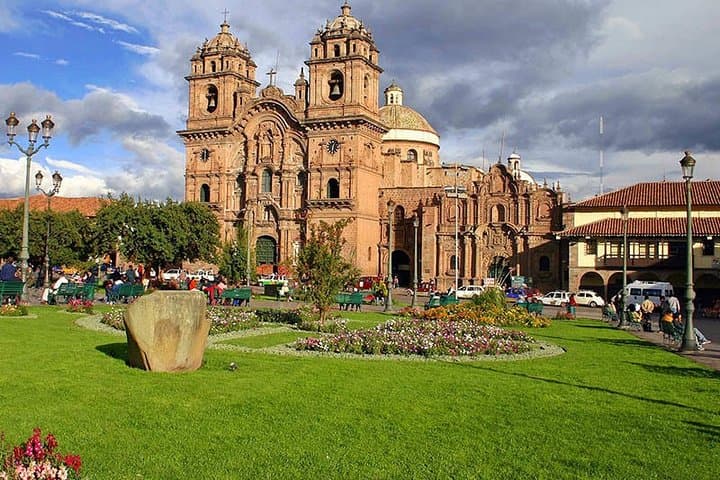
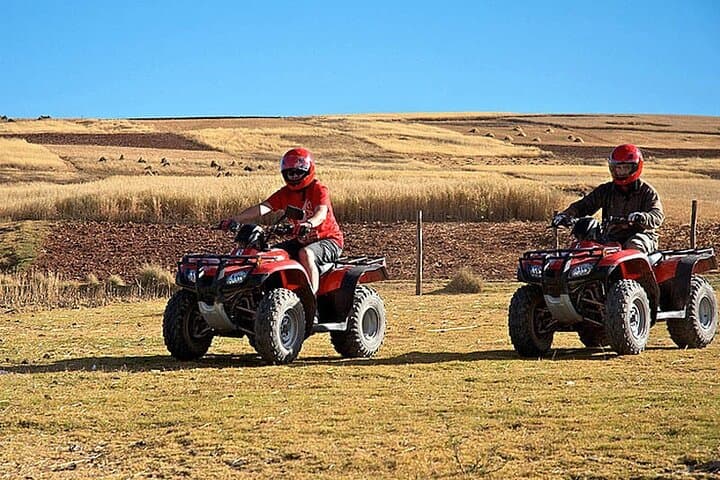
Morning light slices the Andes as a transfer pulls away from Cusco toward highland fields and the stepped bones of the Sacred Valley. Riders swap city streets for dirt tracks on ATVs, the machines bumping over puna grass while zircones of salt glint in the Maras pans below. By afternoon cables hum above a river gorge and the zipline spills adrenaline into the cold, thin air before a late train glides down to Aguas Calientes, steam replaced by the hush of cloud forest.
Verified experiences and guided adventures in the surrounding area.
Operated by MachuPicchu.Center · Cusco, Cusco Region
Morning light slices the Andes as a transfer pulls away from Cusco toward highland fields and the stepped bones of the Sacred Valley. Riders swap city streets for dirt tracks on ATVs, the machines bumping over puna grass while zircones of salt glint in the Maras pans below. By afternoon cables hum above a river gorge and the zipline spills adrenaline into the cold, thin air before a late train glides down to Aguas Calientes, steam replaced by the hush of cloud forest.
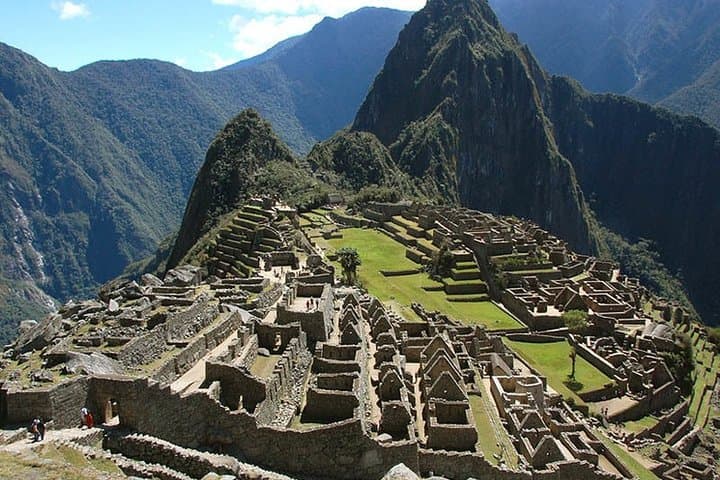
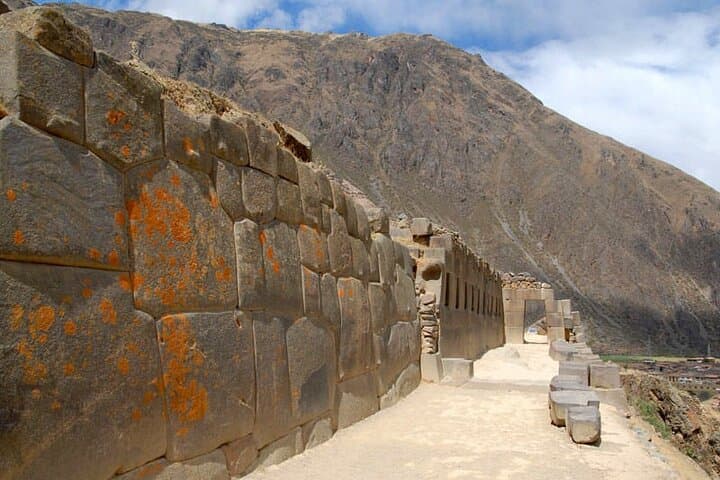
This itinerary threads key Inca and pre-Inca sites—Pisac terraces, Moray’s circular agricultural experiments and Ollantaytambo’s fortress—into a modern travel rhythm. Geologically, the route follows uplifted volcanic and sedimentary strata carved by the Urubamba River; Machu Picchu perches on a resistant granite ridge where steep slopes preserve ruins above precipitous forest.
Cultural notes: local Quechua markets and centuries-old bread recipes (Oropesa) punctuate the trip; small communities still farm terraces using ancient irrigation techniques.
Practical guidance: pack for variable weather—sun, wind and sudden rain are common—and plan for altitude: Cusco sits above 3,300 m. Expect moderate walking at archaeological sites (stone steps and uneven paths) and brief high-adrenal experiences on ATVs and ziplines that require attentive briefings.
Timing: early starts maximize light and reduce crowds at Machu Picchu; the included 2.5-hour sunrise guided walk covers the main plazas and terraces but not Huayna Picchu unless booked separately.
Logistics: trains between Ollantaytambo and Aguas Calientes take ~1.5 hours; transfers and hotel nights are arranged in 4-star properties in Cusco and Aguas Calientes. Hydrate, bring layered clothing and allow time to acclimatize before active days.
moderate.
4 days.
Moderate fitness for multi-hour walking, short hikes on uneven terrain and handling an ATV for several hours; allow time to adjust to altitude.
The tour includes Machu Picchu entrance; if you want to hike Huayna Picchu or Machu Picchu Mountain you must request and pay for those tickets in advance if available.
Rest on arrival in Cusco, hydrate, avoid heavy meals and alcohol the first 24–48 hours, and consider medication like acetazolamide after consulting your doctor.
Yes — operators provide instruction and safety equipment; travelers should follow the guide’s briefing and meet the minimum age/health requirements provided at booking.
The Ollantaytambo–Aguas Calientes train runs about 1.5 hours through the Urubamba valley with expansive mountain and river views; seating class varies by service booked.
Machu Picchu dates to the 15th-century Inca era and sits among terraces and ritual spaces tied to pre-Columbian agricultural engineering in the Sacred Valley.
Heavy visitation stresses fragile trails and ruins—stick to marked paths, avoid touching stonework, and pack out all trash to protect the site.
MachuPicchu.Center operates guided outdoor trips and adventures with an emphasis on safety, stewardship, and memorable experiences.
Morning light slices the Andes as a transfer pulls away from Cusco toward highland fields and the stepped bones of the Sacred Valley. Riders swap city streets for dirt tracks on ATVs, the machines bumping over puna grass while zircones of salt glint in the Maras pans below. By afternoon cables hum above a river gorge and the zipline spills adrenaline into the cold, thin air before a late train glides down to Aguas Calientes, steam replaced by the hush of cloud forest.
Morning light slices the Andes as a transfer pulls away from Cusco toward highland fields and the stepped bones of the Sacred Valley. Riders swap city streets for dirt tracks on ATVs, the machines bumping over puna grass while zircones of salt glint in the Maras pans below. By afternoon cables hum above a river gorge and the zipline spills adrenaline into the cold, thin air before a late train glides down to Aguas Calientes, steam replaced by the hush of cloud forest.
This itinerary threads key Inca and pre-Inca sites—Pisac terraces, Moray’s circular agricultural experiments and Ollantaytambo’s fortress—into a modern travel rhythm. Geologically, the route follows uplifted volcanic and sedimentary strata carved by the Urubamba River; Machu Picchu perches on a resistant granite ridge where steep slopes preserve ruins above precipitous forest.
Cultural notes: local Quechua markets and centuries-old bread recipes (Oropesa) punctuate the trip; small communities still farm terraces using ancient irrigation techniques.
Practical guidance: pack for variable weather—sun, wind and sudden rain are common—and plan for altitude: Cusco sits above 3,300 m. Expect moderate walking at archaeological sites (stone steps and uneven paths) and brief high-adrenal experiences on ATVs and ziplines that require attentive briefings.
Timing: early starts maximize light and reduce crowds at Machu Picchu; the included 2.5-hour sunrise guided walk covers the main plazas and terraces but not Huayna Picchu unless booked separately.
Logistics: trains between Ollantaytambo and Aguas Calientes take ~1.5 hours; transfers and hotel nights are arranged in 4-star properties in Cusco and Aguas Calientes. Hydrate, bring layered clothing and allow time to acclimatize before active days.