THE ADVENTURE COLLECTIVE® · Independent discovery and booking for outdoor travel

Spend a long day exploring Pisac, Urubamba, Ollantaytambo and Chinchero — walk Inca terraces, browse traditional markets, and experience high-Andean culture. This tour combines archaeological sites, village life, and valley vistas with practical pacing for altitude and terrain.
Spend a long day exploring Pisac, Urubamba, Ollantaytambo and Chinchero — walk Inca terraces, browse traditional markets, and experience high-Andean culture. This tour combines archaeological sites, village life, and valley vistas with practical pacing for altitude and terrain.
You step out of Cusco's thin, bright air and the valley opens: terraces carve the hills like deliberate steps, rivers chatter below, and the mountains watch in granite silence.
Verified experiences and guided adventures in the surrounding area.
Operated by Machu Picchu Peru Cusco · Urubamba, Cusco
You step out of Cusco's thin, bright air and the valley opens: terraces carve the hills like deliberate steps, rivers chatter below, and the mountains watch in granite silence.
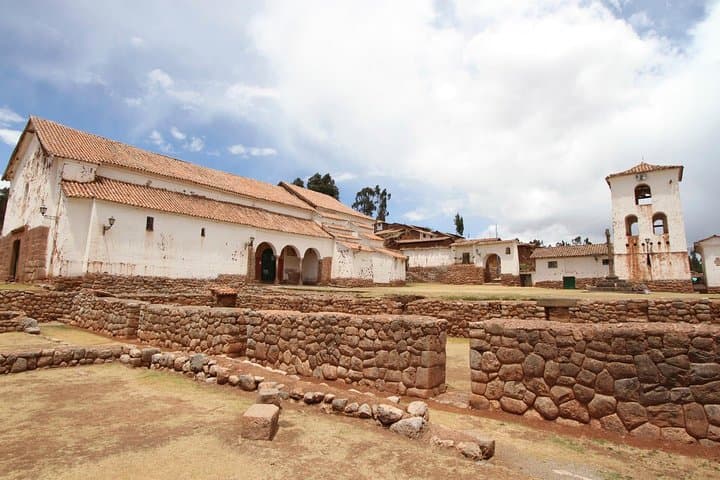
This full-day loop threads through Pisac's cliffside archaeological complex, Urubamba's broad valley floors, Ollantaytambo's fortress terraces and the textile markets of Chinchero. These sites reveal layers of Inca engineering — irrigation channels, andenes (agricultural terraces) that cling to steep slopes, and stonework cut to fit without mortar. Geologically, the valley sits on river-carved alluvium between volcanic and metamorphic ranges, which created the fertile soils that the Incas harnessed.
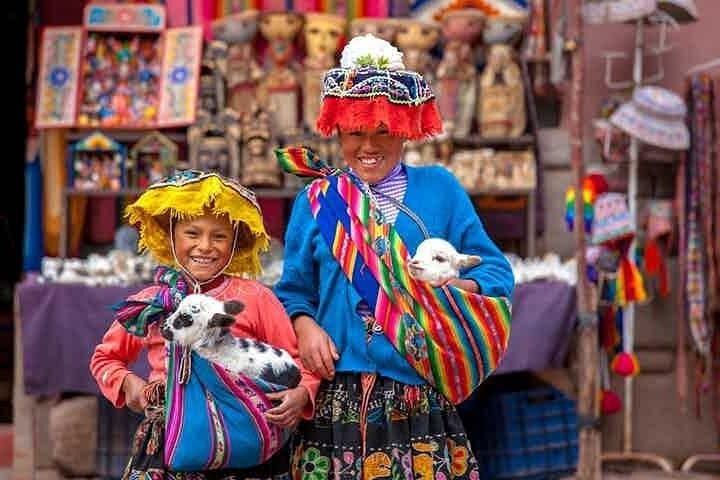
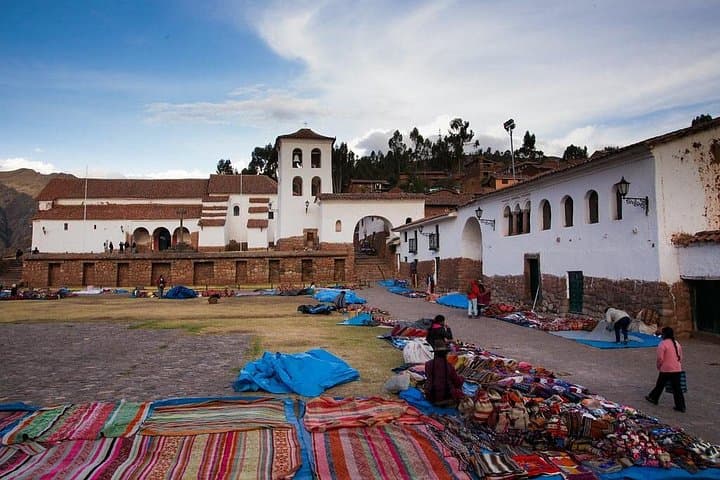
Culturally, the Sacred Valley has been an agricultural backbone and ceremonial landscape for centuries; markets and Quechua-language masses keep living traditions visible. Expect villages where woven textiles and market stalls are part of daily rhythm and where communal celebrations still follow the agricultural calendar.
Practically: the day is long (around 10 hours) with several short walks — some steep stone steps at Ollantaytambo and Pisac. Altitude (3,000–3,600 m) is the biggest variable; move deliberately, hydrate, and avoid sudden exertion on arrival days. Lunch is included in most tours, but bring small bills for market purchases and site entrance fees which are often separate.
Timing matters: start early for cooler mornings and softer light on ruins; afternoon clouds and brief showers are common in the wet season. Respect archeological signs, stay on paths, and treat local vendors and communities with curiosity and courtesy. This day trip gives a compact, tangible view of Inca ingenuity set against dramatic Andean landscapes.
easy.
10 hours.
Basic walking fitness; able to walk short steep stone stairways and stand for guided stops; allow for altitude effects.
Entrance fees vary by site and are often not included in basic tour pricing; confirm with your operator and carry cash for ticket windows or a tourist ticket bundle (Boleto Turístico).
Sites sit between roughly 3,000–3,600 m. Symptoms can include headache and breathlessness; acclimatize in Cusco, hydrate, and avoid alcohol before the tour.
Lunch is typically included on guided day trips; most operators can accommodate common dietary restrictions if notified in advance during booking.
Walks at Pisac and Ollantaytambo include short hikes and steep stone steps (20–60 minutes of walking per site), while market stops are flatter and more casual.
The Sacred Valley was a critical agricultural and ceremonial zone for the Inca state, supplying food, religious sites, and strategic fortresses like Ollantaytambo that controlled valley access.
Tourism impacts include trail erosion and market pressure on traditional crafts; choose licensed guides, stick to trails, and buy authentic locally made goods to support communities.
Machu Picchu Peru Cusco operates guided outdoor trips and adventures with an emphasis on safety, stewardship, and memorable experiences.
You step out of Cusco's thin, bright air and the valley opens: terraces carve the hills like deliberate steps, rivers chatter below, and the mountains watch in granite silence.
You step out of Cusco's thin, bright air and the valley opens: terraces carve the hills like deliberate steps, rivers chatter below, and the mountains watch in granite silence.
This full-day loop threads through Pisac's cliffside archaeological complex, Urubamba's broad valley floors, Ollantaytambo's fortress terraces and the textile markets of Chinchero. These sites reveal layers of Inca engineering — irrigation channels, andenes (agricultural terraces) that cling to steep slopes, and stonework cut to fit without mortar. Geologically, the valley sits on river-carved alluvium between volcanic and metamorphic ranges, which created the fertile soils that the Incas harnessed.
Culturally, the Sacred Valley has been an agricultural backbone and ceremonial landscape for centuries; markets and Quechua-language masses keep living traditions visible. Expect villages where woven textiles and market stalls are part of daily rhythm and where communal celebrations still follow the agricultural calendar.
Practically: the day is long (around 10 hours) with several short walks — some steep stone steps at Ollantaytambo and Pisac. Altitude (3,000–3,600 m) is the biggest variable; move deliberately, hydrate, and avoid sudden exertion on arrival days. Lunch is included in most tours, but bring small bills for market purchases and site entrance fees which are often separate.
Timing matters: start early for cooler mornings and softer light on ruins; afternoon clouds and brief showers are common in the wet season. Respect archeological signs, stay on paths, and treat local vendors and communities with curiosity and courtesy. This day trip gives a compact, tangible view of Inca ingenuity set against dramatic Andean landscapes.