THE ADVENTURE COLLECTIVE® · Independent discovery and booking for outdoor travel

Spend a long day tracing Inca stonework and highland markets in the Sacred Valley. This full-day tour hits Pisac, Ollantaytambo and Chinchero—ideal for travelers wanting a concentrated survey of Inca engineering and local culture without overnight trekking.
Spend a long day tracing Inca stonework and highland markets in the Sacred Valley. This full-day tour hits Pisac, Ollantaytambo and Chinchero—ideal for travelers wanting a concentrated survey of Inca engineering and local culture without overnight trekking.
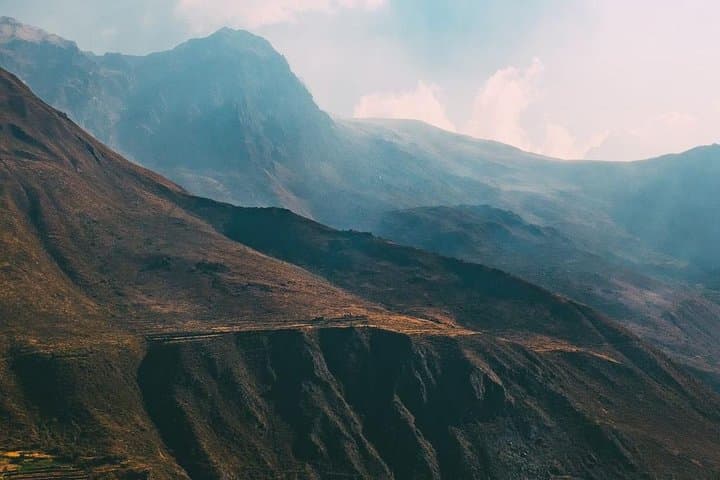
Dawn light carves the steep sides of the Urubamba Valley as a tourist bus slips out of Cusco and curls along the river. Cold air bites at first, then the valley warms: terraces drop away like steps toward a green ribbon of water, markets open with woven blankets and the clack of barter, and stone walls—cut with surgical precision—catch the sun.
Verified experiences and guided adventures in the surrounding area.
Operated by PaRa Travels · Ollantaytambo, Cusco
Dawn light carves the steep sides of the Urubamba Valley as a tourist bus slips out of Cusco and curls along the river. Cold air bites at first, then the valley warms: terraces drop away like steps toward a green ribbon of water, markets open with woven blankets and the clack of barter, and stone walls—cut with surgical precision—catch the sun.
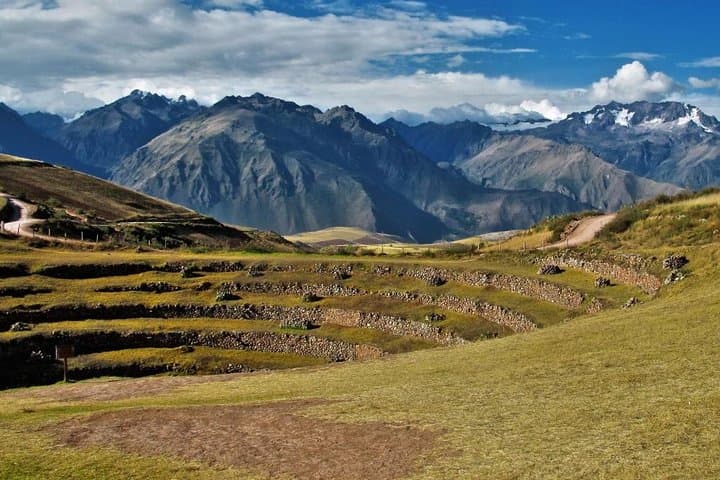
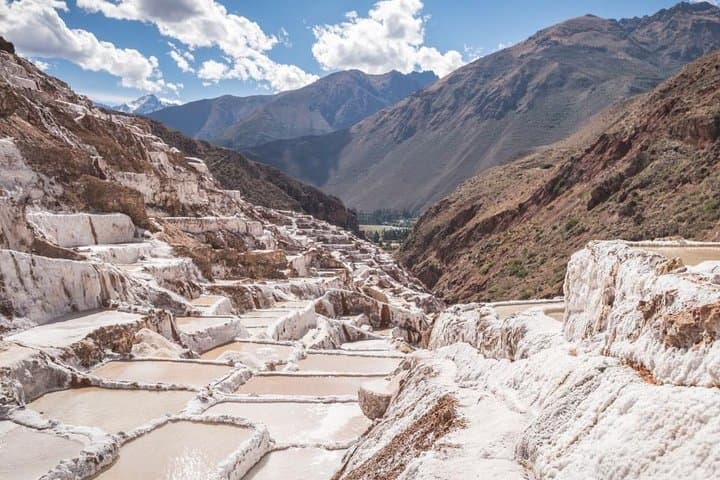
This one-day circuit threads the Sacred Valley’s major sites: Pisac’s high terraces and market, Urubamba’s restaurants, the living Inca village of Ollantaytambo, and the textile-focused colonial town of Chinchero. Geologically the valley is a carved product of Andean uplift and glacial sculpting; culturally it’s still Quechua country, where ancient agrarian engineering—terracing, irrigation canals and seed storage—remains legible in the land. Nearby Maras’ salt pans and Moray’s concentric agricultural depressions illustrate Inca experimentation with microclimates.
Expect a guide-led rhythm: photo stops, a walk through stone staircases, free time in Pisac market, and a relaxed midday meal in Urubamba. Altitude is a factor—Cusco sits above 3,300 m—so pacing, hydration and sun protection matter. Trails are uneven; bring sturdy shoes and plan for cobblestones and stepped climbs. The full loop returns in the evening, leaving little room for detours but offering a compact survey of the valley’s archaeology, living culture and sweeping Andean panoramas.
Practical tips: start the day with snacks, wear layered clothing for sharp temperature swings, and budget cash for market purchases—many artisans prefer soles.
easy.
10–11 hours.
Suitable for travelers in average fitness—able to walk on uneven stone and climb short flights of stairs; long day sitting on a bus.
The tour runs about 10–11 hours and commonly meets in Cusco around 8:45–9:00 a.m., returning in the early evening (approx. 7:00–8:00 p.m.).
This itinerary highlights Pisac, Ollantaytambo and Chinchero; some operators may add Moray or Maras on alternate routes—confirm the exact stops when booking.
The tour is generally suitable for most ages but involves walking on uneven surfaces and altitude; consult your guide about pacing and accommodations for mobility issues.
Typical inclusions list lunch and guide-led visits to archaeological sites, but check your booking details for which site admissions are covered.
The Sacred Valley formed the agricultural heartland of the Inca Empire, supplying Cusco with crops and storing seed varieties in advanced terraced systems.
Tourism pressure can stress fragile terraces and local water supplies—stick to paths, avoid litter, and buy from local artisans to support community economies.
PaRa Travels operates guided outdoor trips and adventures with an emphasis on safety, stewardship, and memorable experiences.
Dawn light carves the steep sides of the Urubamba Valley as a tourist bus slips out of Cusco and curls along the river. Cold air bites at first, then the valley warms: terraces drop away like steps toward a green ribbon of water, markets open with woven blankets and the clack of barter, and stone walls—cut with surgical precision—catch the sun.
Dawn light carves the steep sides of the Urubamba Valley as a tourist bus slips out of Cusco and curls along the river. Cold air bites at first, then the valley warms: terraces drop away like steps toward a green ribbon of water, markets open with woven blankets and the clack of barter, and stone walls—cut with surgical precision—catch the sun.
This one-day circuit threads the Sacred Valley’s major sites: Pisac’s high terraces and market, Urubamba’s restaurants, the living Inca village of Ollantaytambo, and the textile-focused colonial town of Chinchero. Geologically the valley is a carved product of Andean uplift and glacial sculpting; culturally it’s still Quechua country, where ancient agrarian engineering—terracing, irrigation canals and seed storage—remains legible in the land. Nearby Maras’ salt pans and Moray’s concentric agricultural depressions illustrate Inca experimentation with microclimates.
Expect a guide-led rhythm: photo stops, a walk through stone staircases, free time in Pisac market, and a relaxed midday meal in Urubamba. Altitude is a factor—Cusco sits above 3,300 m—so pacing, hydration and sun protection matter. Trails are uneven; bring sturdy shoes and plan for cobblestones and stepped climbs. The full loop returns in the evening, leaving little room for detours but offering a compact survey of the valley’s archaeology, living culture and sweeping Andean panoramas.
Practical tips: start the day with snacks, wear layered clothing for sharp temperature swings, and budget cash for market purchases—many artisans prefer soles.