THE ADVENTURE COLLECTIVE® · Independent discovery and booking for outdoor travel

A single-day hike from Cusco to the color-banded slopes of Vinicunca (Rainbow Mountain). This practical guide covers the terrain, altitude considerations, local context and what to pack for a long high-altitude day.
A single-day hike from Cusco to the color-banded slopes of Vinicunca (Rainbow Mountain). This practical guide covers the terrain, altitude considerations, local context and what to pack for a long high-altitude day.
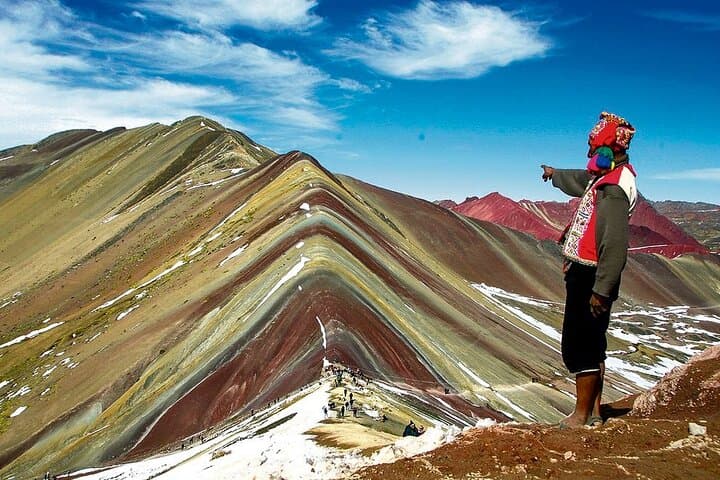
Dawn arrives as a paper light over the Peruvian altiplano and the van eats the kilometers toward Fulawasi. By the time you step out at 4,700 m the air is thin, the wind has a dry voice, and the trail cuts upward through ochre scree and tufts of ichu grass. The mountain ahead holds its colors like a held breath — layered reds, yellows and greens formed by iron oxides, clay and other minerals.
Verified experiences and guided adventures in the surrounding area.
Operated by Red Valley Cusco · Cusco, Cusco Region
Dawn arrives as a paper light over the Peruvian altiplano and the van eats the kilometers toward Fulawasi. By the time you step out at 4,700 m the air is thin, the wind has a dry voice, and the trail cuts upward through ochre scree and tufts of ichu grass. The mountain ahead holds its colors like a held breath — layered reds, yellows and greens formed by iron oxides, clay and other minerals.
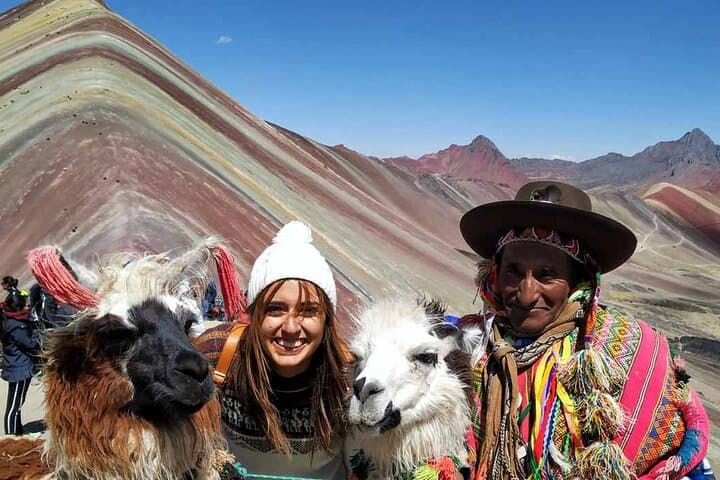
The stripe-streaked slopes are a recent tourism draw; locals long used these high passes for seasonal herding and ritual offerings to the Andean mountains. Geologically, Vinicunca is a ward of folded sedimentary layers uplifted by the Nazca and South American plate interactions and revealed by glacial retreat and erosion.
Expect a steep 1.5–2 hour ascent from Fulawasi to the 5,200 m summit viewpoint, with rocky steps, loose scree and sudden gusts that push at your balance. Guides typically share cultural context at the top — coca-leaf offerings, Quechua place names — and arrange a simple, local lunch back in Cusipata.
Practical edge: acclimatize in Cusco for 24–48 hours if possible, move deliberately uphill, and carry high-calorie snacks and 2–3 liters of water. Footwear should have firm ankle support; poles cut perceived steepness and protect knees on descent. Morning departures dodge afternoon weather; storms build quickly at altitude, so layered clothing, waterproof shells and sun protection are non-negotiable.
The route is visitor-heavy but strikingly immediate: mineral bands that seem to argue with each other across a cold, open sky. Respect the trail, support local guides, and the mountain repays effort with a rare, high-altitude clarity of place.
challenging.
11–12 hours.
Good aerobic fitness and prior hiking experience at altitude recommended; expect steep sections and persistent elevation stress.
Physically demanding due to elevation gain and thin air; the ascent takes 1.5–2 hours and requires steady pacing—fit hikers acclimatized to altitude manage it best.
Guides are standard with most tours from Cusco and include logistics; no special permit is required beyond local entry fees handled by operators.
You’ll reach around 5,200 m; prevent altitude sickness by acclimatizing in Cusco, staying hydrated, eating carbohydrates, and avoiding alcohol before the hike.
The dry season (May–September) has more stable weather and clearer skies, while wet season afternoons (Dec–Mar) bring higher chance of rain and muddy trails.
Vinicunca’s colored bands are exposed sedimentary layers affected by tectonic uplift; the site became a popular visitor destination in the 2010s as access and visibility increased.
High-altitude puna is fragile—stick to marked trails, avoid littering, and support community-based guides to reduce off-trail erosion and cultural impact.
Red Valley Cusco operates guided outdoor trips and adventures with an emphasis on safety, stewardship, and memorable experiences.
Dawn arrives as a paper light over the Peruvian altiplano and the van eats the kilometers toward Fulawasi. By the time you step out at 4,700 m the air is thin, the wind has a dry voice, and the trail cuts upward through ochre scree and tufts of ichu grass. The mountain ahead holds its colors like a held breath — layered reds, yellows and greens formed by iron oxides, clay and other minerals.
Dawn arrives as a paper light over the Peruvian altiplano and the van eats the kilometers toward Fulawasi. By the time you step out at 4,700 m the air is thin, the wind has a dry voice, and the trail cuts upward through ochre scree and tufts of ichu grass. The mountain ahead holds its colors like a held breath — layered reds, yellows and greens formed by iron oxides, clay and other minerals.
The stripe-streaked slopes are a recent tourism draw; locals long used these high passes for seasonal herding and ritual offerings to the Andean mountains. Geologically, Vinicunca is a ward of folded sedimentary layers uplifted by the Nazca and South American plate interactions and revealed by glacial retreat and erosion.
Expect a steep 1.5–2 hour ascent from Fulawasi to the 5,200 m summit viewpoint, with rocky steps, loose scree and sudden gusts that push at your balance. Guides typically share cultural context at the top — coca-leaf offerings, Quechua place names — and arrange a simple, local lunch back in Cusipata.
Practical edge: acclimatize in Cusco for 24–48 hours if possible, move deliberately uphill, and carry high-calorie snacks and 2–3 liters of water. Footwear should have firm ankle support; poles cut perceived steepness and protect knees on descent. Morning departures dodge afternoon weather; storms build quickly at altitude, so layered clothing, waterproof shells and sun protection are non-negotiable.
The route is visitor-heavy but strikingly immediate: mineral bands that seem to argue with each other across a cold, open sky. Respect the trail, support local guides, and the mountain repays effort with a rare, high-altitude clarity of place.