THE ADVENTURE COLLECTIVE® · Independent discovery and booking for outdoor travel

An early-morning drive from Cusco leads into high Andean grasslands and a steep climb to Rainbow Mountain (Vinicunca). This full-day group tour covers transport, meals and guides — expect high altitude, mineral-striped ridgelines and short but strenuous hiking.
An early-morning drive from Cusco leads into high Andean grasslands and a steep climb to Rainbow Mountain (Vinicunca). This full-day group tour covers transport, meals and guides — expect high altitude, mineral-striped ridgelines and short but strenuous hiking.
Before sunrise the van eases out of Cusco and the Andes lean into the road like waiting guides. By first light the plateau opens: wind-stiff grasses, scattered herds of llamas and a white ring of distant peaks. The painted ridgeline of Vinicunca — Rainbow Mountain — appears gradually, its bands of ochre, rust and mint revealing mineral layers exposed by glacial and erosional forces.
Verified experiences and guided adventures in the surrounding area.
Operated by Cusco Unique Experience · Cusco, Cusco
Before sunrise the van eases out of Cusco and the Andes lean into the road like waiting guides. By first light the plateau opens: wind-stiff grasses, scattered herds of llamas and a white ring of distant peaks. The painted ridgeline of Vinicunca — Rainbow Mountain — appears gradually, its bands of ochre, rust and mint revealing mineral layers exposed by glacial and erosional forces.
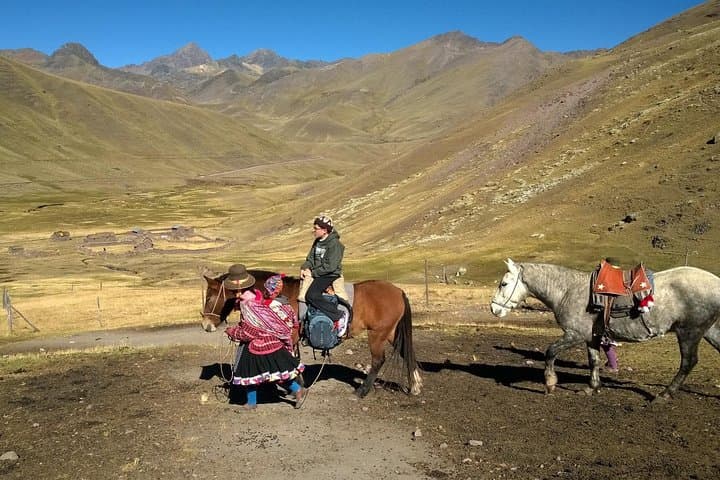
The route threads high puna and short, stony switchbacks. Geologically the colors come from iron oxides, silicates and other minerals deposited over millions of years and then uplifted by the collision that formed the Andes. Culturally this is Quechua country: shepherds and small farming communities still manage alpacas and tend traditional grazing lands; guides will often point out terraces and local weaving patterns en route.
Practically: tours pick up around 4:00am, the drive is roughly 2–2.5 hours and the trail from the start point to the viewpoint is typically a steep 45–90 minute climb depending on pace, with a summit elevation near 5,100–5,200 m (16,700–17,100 ft). Terrain is a mix of packed dirt, loose scree and occasional boggy patches in wet months. Altitude is the main challenge — symptoms can come on fast.
Prepare by acclimatizing in Cusco for 48 hours, layering for wind and sun, carrying 2–3 liters of water, and using trekking poles to steady the knees. Expect a packed lunch back at the staging area and a long return to Cusco by late afternoon.
challenging.
11 hours.
Suitable for people with regular aerobic activity; expect steep uphill hiking at high altitude — moderate-to-good cardio fitness recommended
From the trailhead most groups take 45–90 minutes to reach the main viewpoint; time varies with fitness and acclimatization.
Altitude affects people differently; spending 1–2 days in Cusco beforehand, hydrating and moving slowly reduce risk — guides typically carry oxygen and first aid.
Typical inclusions are hotel pickup, shared transport, breakfast, lunch, bilingual guide, entrance fee, trekking poles and basic first aid supplies.
Minimum ages often apply (many operators set 12); pregnant travelers and those with serious heart or respiratory conditions should avoid high-altitude treks.
Vinicunca sits on ancestral Quechua territory near Ausangate routes historically used for pastoralism and seasonal movement; mineral bands became widely known to tourism in the 2010s.
Heavy foot traffic and informal trails have eroded fragile puna soils; stick to marked paths, pack out waste and support local guides to keep economic benefits in the community.
Cusco Unique Experience operates guided outdoor trips and adventures with an emphasis on safety, stewardship, and memorable experiences.
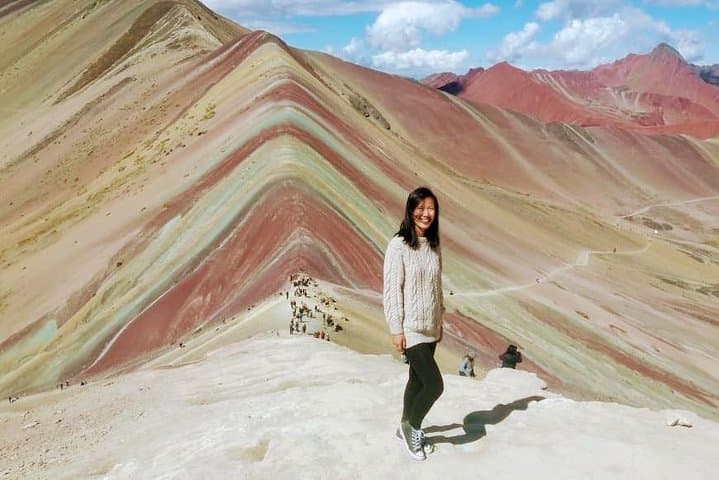
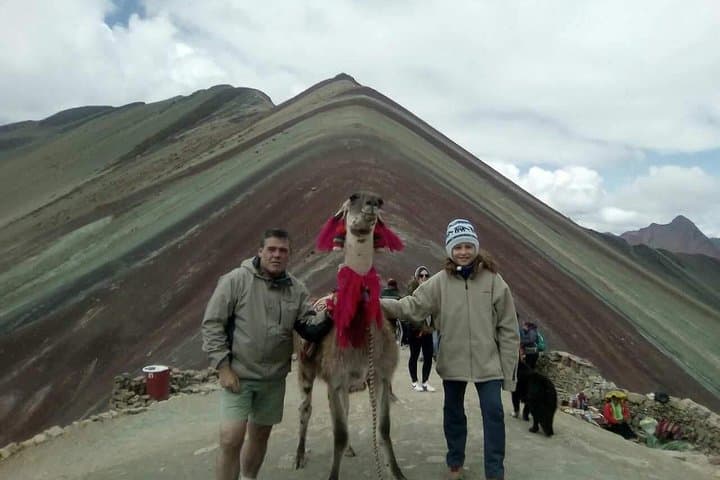
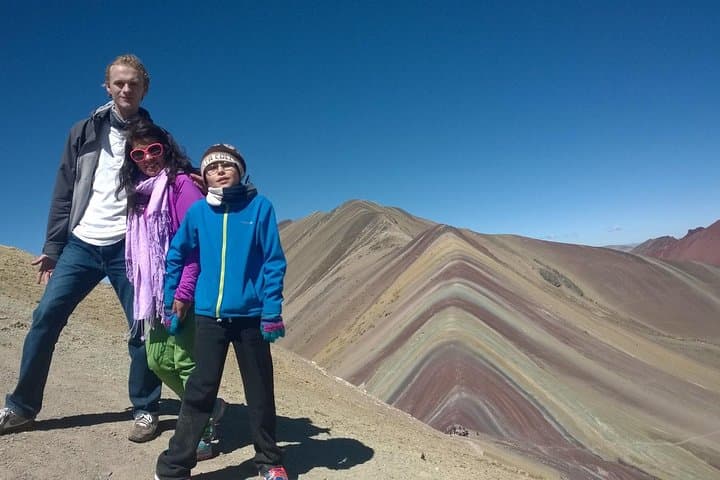
Before sunrise the van eases out of Cusco and the Andes lean into the road like waiting guides. By first light the plateau opens: wind-stiff grasses, scattered herds of llamas and a white ring of distant peaks. The painted ridgeline of Vinicunca — Rainbow Mountain — appears gradually, its bands of ochre, rust and mint revealing mineral layers exposed by glacial and erosional forces.
Before sunrise the van eases out of Cusco and the Andes lean into the road like waiting guides. By first light the plateau opens: wind-stiff grasses, scattered herds of llamas and a white ring of distant peaks. The painted ridgeline of Vinicunca — Rainbow Mountain — appears gradually, its bands of ochre, rust and mint revealing mineral layers exposed by glacial and erosional forces.
The route threads high puna and short, stony switchbacks. Geologically the colors come from iron oxides, silicates and other minerals deposited over millions of years and then uplifted by the collision that formed the Andes. Culturally this is Quechua country: shepherds and small farming communities still manage alpacas and tend traditional grazing lands; guides will often point out terraces and local weaving patterns en route.
Practically: tours pick up around 4:00am, the drive is roughly 2–2.5 hours and the trail from the start point to the viewpoint is typically a steep 45–90 minute climb depending on pace, with a summit elevation near 5,100–5,200 m (16,700–17,100 ft). Terrain is a mix of packed dirt, loose scree and occasional boggy patches in wet months. Altitude is the main challenge — symptoms can come on fast.
Prepare by acclimatizing in Cusco for 48 hours, layering for wind and sun, carrying 2–3 liters of water, and using trekking poles to steady the knees. Expect a packed lunch back at the staging area and a long return to Cusco by late afternoon.