THE ADVENTURE COLLECTIVE® · Independent discovery and booking for outdoor travel

An early-morning drive from Cusco leads to a high-altitude walk up to Vinicunca — Rainbow Mountain. Expect steep climbs, thin air and sweeping views of Ausangate; practical prep and acclimatization make this high puna day hike much more enjoyable.
An early-morning drive from Cusco leads to a high-altitude walk up to Vinicunca — Rainbow Mountain. Expect steep climbs, thin air and sweeping views of Ausangate; practical prep and acclimatization make this high puna day hike much more enjoyable.
Morning light slices across the high puna as the bus drops travelers at the dusty village of Quesiuno and the trail unfurls uphill.
Verified experiences and guided adventures in the surrounding area.
Operated by Mega Expeditions · Cusco, Cusco Region
Morning light slices across the high puna as the bus drops travelers at the dusty village of Quesiuno and the trail unfurls uphill.
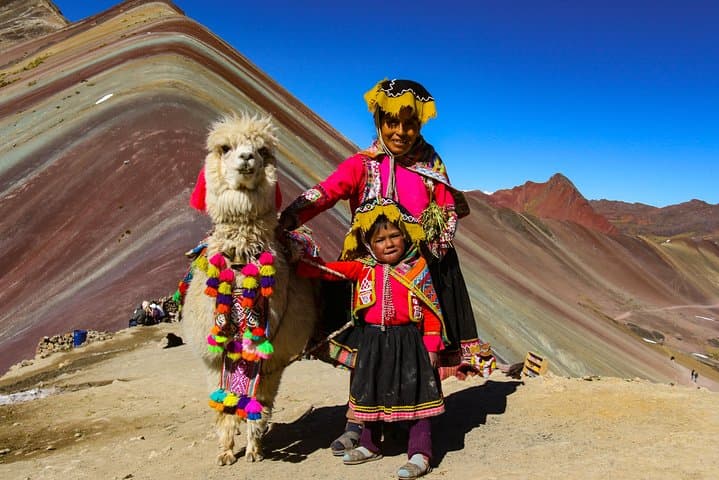
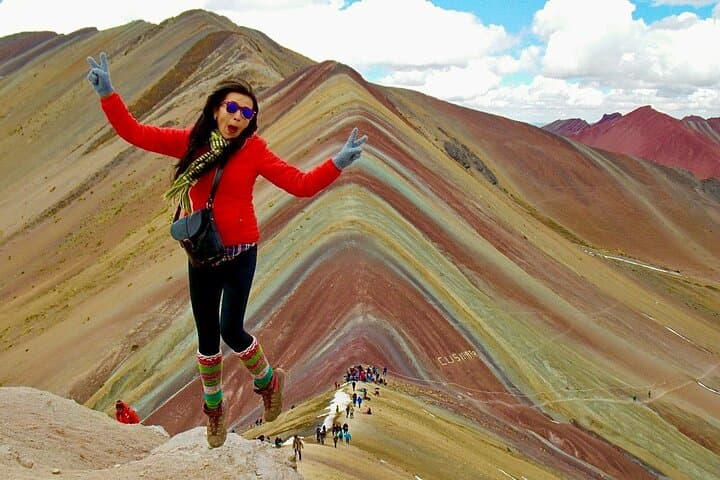
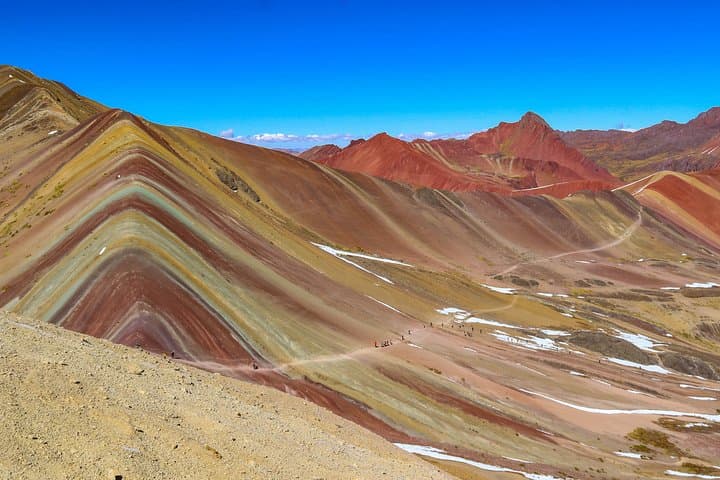
Wind and color dominate here: strata of iron, copper and other minerals give Vinicunca its famous bands while the glacier-clad Ausangate massif watches like an old guardian. The approach threads small Quechua communities, red valley outcrops and turquoise high-altitude lagoons, each scene shifting with the altitude and the weather.
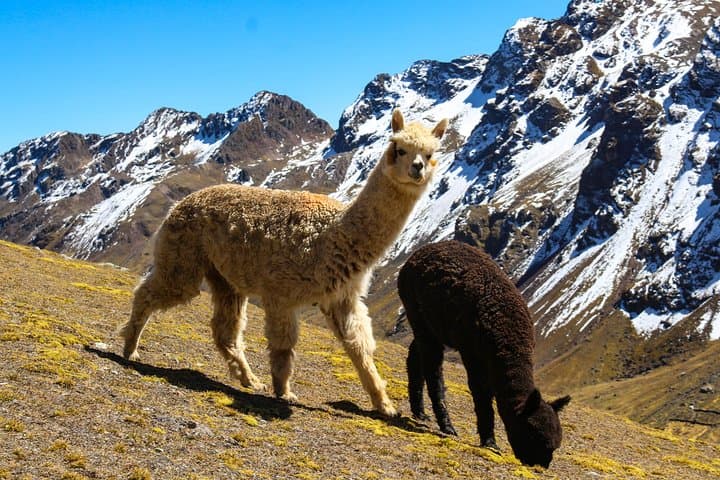
Geologically the stripes are sedimentary layers exposed by glacial retreat and erosion; culturally the slopes are part of ancestral grazing lands and seasonal pathways for local families. The experience is raw — thin air, wide panoramas and a public landscape still shaped by pastoral life.
Practically, expect a long day. Pickup in Cusco around 4:30–5:00 a.m., roughly 2–3 hours’ drive to the trailhead, then a steep 1–1.5 hour ascent to the viewpoint at about 5,200 m (17,060 ft). Total hiking distance is around 6–8 km round-trip with 400–800 m of elevation change depending on your start point; most groups linger 30–45 minutes for photos before returning.
Acclimatize in Cusco for 48 hours if possible, carry 2–3 liters of water, and layer for intense sun and sudden cold. Guides typically provide briefing, first-aid and oxygen if needed, plus breakfast and a buffet lunch. Respect local communities, stay on the path and move deliberately — the mountain rewards steady, cautious effort with unforgettable alpine color and sweeping Andean sky.
challenging.
10–12 hours.
Expect steady aerobic effort at high altitude; good cardiovascular fitness and acclimatization recommended.
The viewpoint sits around 5,200 m (≈17,000 ft). The hike is steep but short—typically 1–1.5 hours up from Quesiuno—so it’s physically demanding mostly because of altitude.
Yes—acute mountain sickness is the main risk. Tour operators often carry oxygen and basic first aid, but acclimatizing beforehand and staying hydrated are the best precautions.
Some local operators or communities offer horse/mule rides for parts of the ascent; availability varies and animals may not be suitable for all travelers or all trail conditions.
Typical inclusions are hotel pickup in Cusco, transport to and from the trailhead, breakfast, buffet lunch, a bilingual guide, first-aid equipment and oxygen if needed.
The area lies within traditional Quechua lands used for seasonal grazing; the colorful slope gained global attention after glacial retreat revealed mineral layers.
High visitor numbers can erode trails and pressure communities—stick to paths, avoid single-use plastics, and hire local guides to support the economy.
Mega Expeditions operates guided outdoor trips and adventures with an emphasis on safety, stewardship, and memorable experiences.
Morning light slices across the high puna as the bus drops travelers at the dusty village of Quesiuno and the trail unfurls uphill.
Morning light slices across the high puna as the bus drops travelers at the dusty village of Quesiuno and the trail unfurls uphill.
Wind and color dominate here: strata of iron, copper and other minerals give Vinicunca its famous bands while the glacier-clad Ausangate massif watches like an old guardian. The approach threads small Quechua communities, red valley outcrops and turquoise high-altitude lagoons, each scene shifting with the altitude and the weather.
Geologically the stripes are sedimentary layers exposed by glacial retreat and erosion; culturally the slopes are part of ancestral grazing lands and seasonal pathways for local families. The experience is raw — thin air, wide panoramas and a public landscape still shaped by pastoral life.
Practically, expect a long day. Pickup in Cusco around 4:30–5:00 a.m., roughly 2–3 hours’ drive to the trailhead, then a steep 1–1.5 hour ascent to the viewpoint at about 5,200 m (17,060 ft). Total hiking distance is around 6–8 km round-trip with 400–800 m of elevation change depending on your start point; most groups linger 30–45 minutes for photos before returning.
Acclimatize in Cusco for 48 hours if possible, carry 2–3 liters of water, and layer for intense sun and sudden cold. Guides typically provide briefing, first-aid and oxygen if needed, plus breakfast and a buffet lunch. Respect local communities, stay on the path and move deliberately — the mountain rewards steady, cautious effort with unforgettable alpine color and sweeping Andean sky.