THE ADVENTURE COLLECTIVE® · Independent discovery and booking for outdoor travel

A full-day trek to Vinicunca (Rainbow Mountain) offers dramatic mineral bands, high-altitude puna scenery, and cultural encounters with Quechua communities. Plan for acclimatization, layered clothing, and steep uphill walking at altitude.
A full-day trek to Vinicunca (Rainbow Mountain) offers dramatic mineral bands, high-altitude puna scenery, and cultural encounters with Quechua communities. Plan for acclimatization, layered clothing, and steep uphill walking at altitude.
You step out of the van before dawn; cold thin air tugs at your breath as the road gives way to puna grass and red rock ridges. Trails cut across a landscape that seems to change color as you climb — ochre slopes, rust veins, and the banded flanks of Vinicunca that earned the name Rainbow Mountain. The mountain’s layers gleam under a high Andean sky while winds push at your jacket like an impatient guide.
Verified experiences and guided adventures in the surrounding area.
Operated by Machupicchu Holiday · Cusco, Cusco
You step out of the van before dawn; cold thin air tugs at your breath as the road gives way to puna grass and red rock ridges. Trails cut across a landscape that seems to change color as you climb — ochre slopes, rust veins, and the banded flanks of Vinicunca that earned the name Rainbow Mountain. The mountain’s layers gleam under a high Andean sky while winds push at your jacket like an impatient guide.
Geology here reads like a slow-motion painting: sedimentary and mineral deposits uplifted and exposed by glacial carving and erosion, iron and copper staining the strata over millennia. The area sits in traditional Quechua territory; shepherds still move llamas and alpacas across the high grass, and local communities run small lodges and markets in towns like Cusipata and Pitumarca.
Practical guidance is straightforward: the full-day outing is long—roughly 10 hours door-to-door with 2–3 hours of uphill walking at altitude—so acclimatize in Cusco for 48–72 hours first. Pace yourself on the switchbacks, use trekking poles, and sip water regularly to blunt altitude effects. Weather flips quickly: sun, wind, and snow are all possible in a single day, so layer and pack rain protection.
Most tours include breakfast, a bilingual guide, optional Red Valley side walks, and a buffet lunch back in Cusipata. Expect basic facilities at trailheads and photo stops that can be crowded; early starts keep crowds thinner. Respect fragile high-altitude grasslands — stick to trails, carry out trash, and let the colors speak for themselves.
moderate.
9–10 hours.
Good aerobic fitness for sustained uphill walking at 4,200–5,100 m; able to walk 2–3 hours uphill with rest breaks.
The route is moderate in technical difficulty but challenging due to altitude and sustained uphill sections; expect 2–3 hours of ascent at elevations above 4,200 m.
Guides are recommended for logistics, altitude safety, and local context; many operators handle transport, meals, and parking access that are harder to arrange independently.
Many tours carry portable oxygen and offer trekking poles — check inclusions; islands of service vary by operator but both are commonly available on organized tours.
The dry season (May–September) offers more reliable clear mornings; avoid rainy months (Nov–Mar) when trails are muddy and visibility is reduced.
This highland area sits within Quechua-speaking communities with centuries of pastoral life; the colorful bands are exposed sediment and mineral layers shaped by uplift and glaciation.
The puna ecosystem is fragile; stay on marked trails, avoid disturbing wildlife, and pack out all trash to minimize erosion and habitat impact.
Machupicchu Holiday operates guided outdoor trips and adventures with an emphasis on safety, stewardship, and memorable experiences.
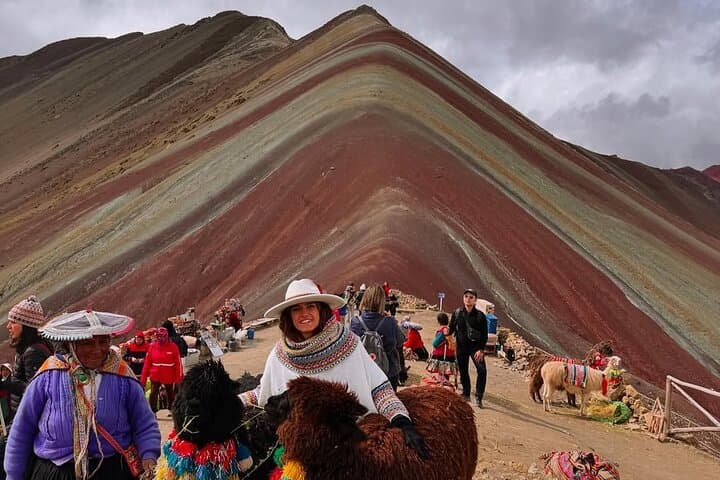
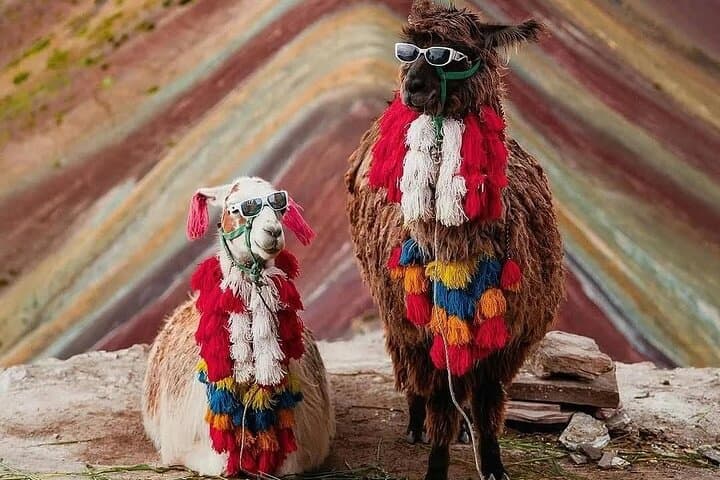
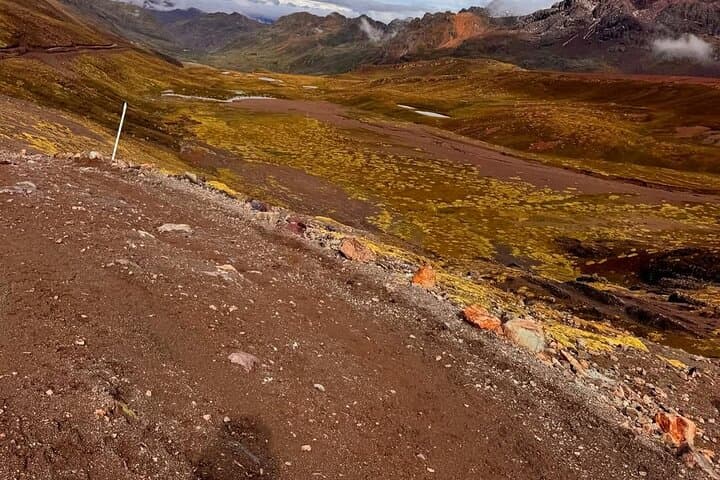
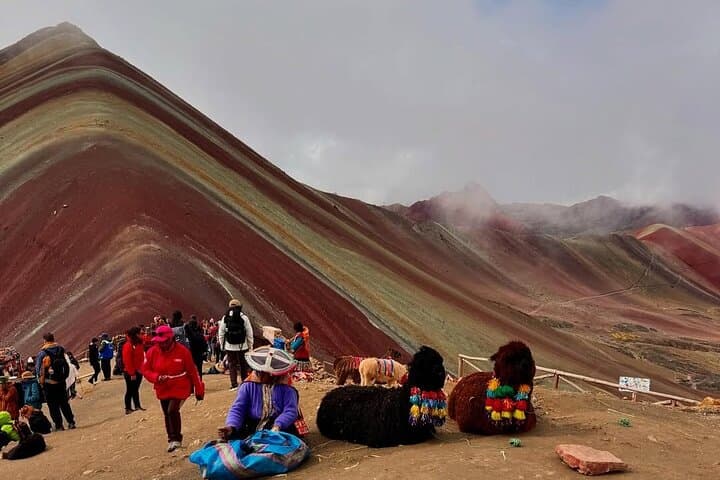
You step out of the van before dawn; cold thin air tugs at your breath as the road gives way to puna grass and red rock ridges. Trails cut across a landscape that seems to change color as you climb — ochre slopes, rust veins, and the banded flanks of Vinicunca that earned the name Rainbow Mountain. The mountain’s layers gleam under a high Andean sky while winds push at your jacket like an impatient guide.
You step out of the van before dawn; cold thin air tugs at your breath as the road gives way to puna grass and red rock ridges. Trails cut across a landscape that seems to change color as you climb — ochre slopes, rust veins, and the banded flanks of Vinicunca that earned the name Rainbow Mountain. The mountain’s layers gleam under a high Andean sky while winds push at your jacket like an impatient guide.
Geology here reads like a slow-motion painting: sedimentary and mineral deposits uplifted and exposed by glacial carving and erosion, iron and copper staining the strata over millennia. The area sits in traditional Quechua territory; shepherds still move llamas and alpacas across the high grass, and local communities run small lodges and markets in towns like Cusipata and Pitumarca.
Practical guidance is straightforward: the full-day outing is long—roughly 10 hours door-to-door with 2–3 hours of uphill walking at altitude—so acclimatize in Cusco for 48–72 hours first. Pace yourself on the switchbacks, use trekking poles, and sip water regularly to blunt altitude effects. Weather flips quickly: sun, wind, and snow are all possible in a single day, so layer and pack rain protection.
Most tours include breakfast, a bilingual guide, optional Red Valley side walks, and a buffet lunch back in Cusipata. Expect basic facilities at trailheads and photo stops that can be crowded; early starts keep crowds thinner. Respect fragile high-altitude grasslands — stick to trails, carry out trash, and let the colors speak for themselves.