THE ADVENTURE COLLECTIVE® · Independent discovery and booking for outdoor travel

An early-morning transfer from Cusco takes you up to the high puna and the striking striations of Vinicunca. This one-day trek via Cusipata is a long but accessible climb where altitude, wide views and Andean culture define the experience.
An early-morning transfer from Cusco takes you up to the high puna and the striking striations of Vinicunca. This one-day trek via Cusipata is a long but accessible climb where altitude, wide views and Andean culture define the experience.
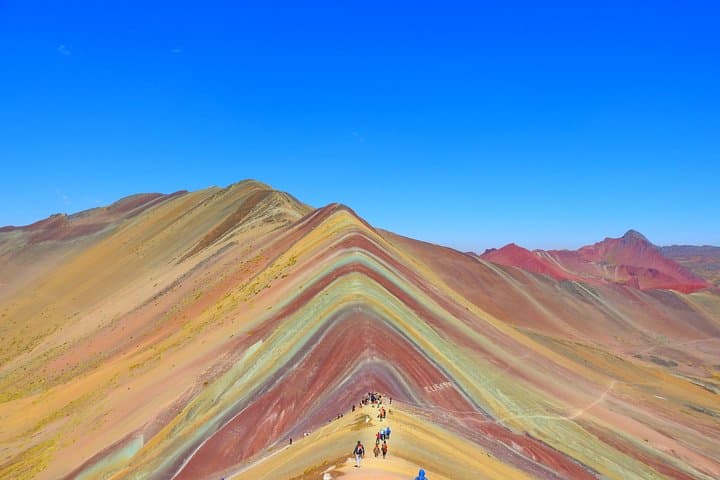
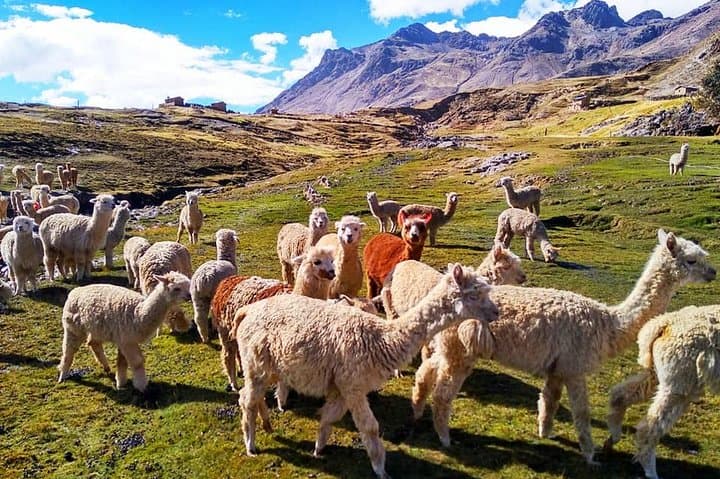
Pre-dawn air bites the bus as it threads out of Cusco toward the high puna; by torchlight you pass folded hills and scattered herds, and the Andes open like a hard, patient story. The trail from Cusipata rises through Llachoc into thin air, and after a brisk breakfast the path climbs past llama herds toward the color bands of Vinicunca — the mountain of seven colors — where iron oxides and mineral strata lie exposed like geological handwriting.
Verified experiences and guided adventures in the surrounding area.
Operated by Huaynas Expeditions · Cusco, Cusco Region
Pre-dawn air bites the bus as it threads out of Cusco toward the high puna; by torchlight you pass folded hills and scattered herds, and the Andes open like a hard, patient story. The trail from Cusipata rises through Llachoc into thin air, and after a brisk breakfast the path climbs past llama herds toward the color bands of Vinicunca — the mountain of seven colors — where iron oxides and mineral strata lie exposed like geological handwriting.
This route runs in the rain shadow of Ausangate, a glaciated peak long held sacred by Quechua communities whose pasturelands and seasonal festivals still mark the calendar. The strata that paint Vinicunca formed over millennia from marine sediments uplifted and oxidized; wind and frost continue to trim the slopes, and local shepherds maintain grazing corridors used for centuries.
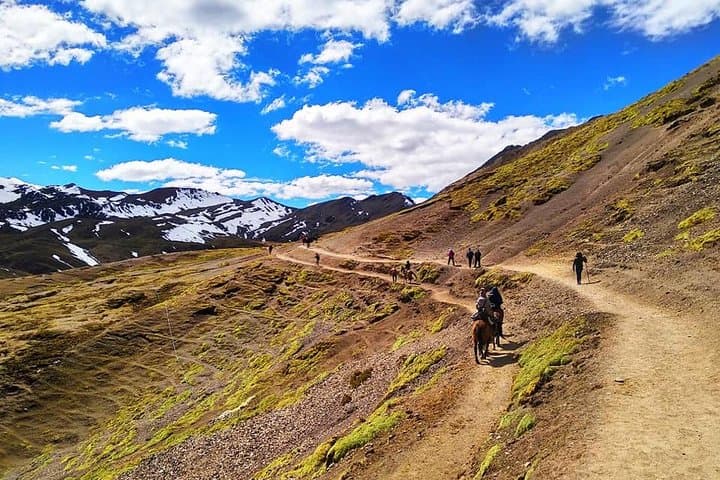
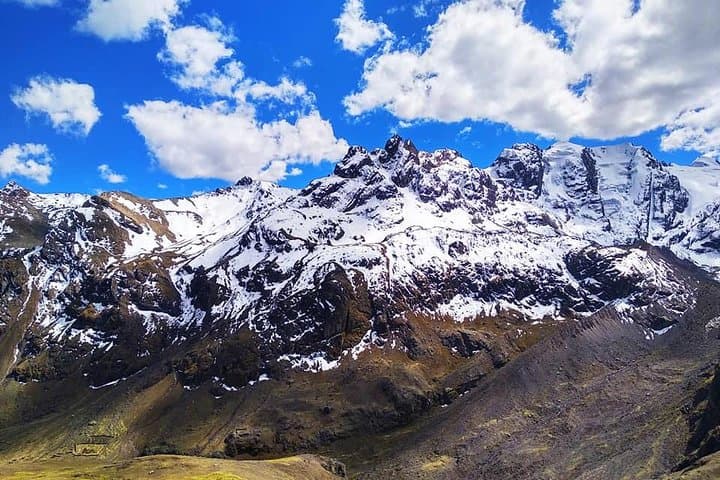
Expect an alpine environment: short grasses, stony switchbacks, and sun that feels both warm and abrasive at 5,000+ meters. The summit viewpoint rewards steady effort with wide, skeletal panoramas and a clear sightline to Ausangate’s ice and moraine.
Practical notes: this is a long day (hotel pickup very early, return late afternoon). Altitude, not steep technical terrain, is the limiting factor — acclimatize in Cusco for 24–48 hours if possible. Wear sturdy boots, layer for wind and sudden sun, and bring water and snacks; guides typically provide lunch and oxygen on the vehicle. If you prefer less walking, horse support is commonly available for parts of the climb. Respect fragile alpine plants and stay on the trail to limit erosion and protect local grazing areas.
moderate.
10–12 hours.
Moderate fitness with ability to hike 2–4 hours at a time in thin air; prior walking at altitude helps
The route is non-technical but strenuous due to altitude and sustained uphill sections; expect steep walking for up to 1–2 hours at a stretch.
Yes — local operators often offer horse support for sections of the ascent for an extra fee; availability varies by day and luggage limits apply.
Dry season months (May–September) typically yield the clearest skies; afternoons can still bring isolated showers in transitional months.
Symptoms can appear even in fit travelers; descend slowly, hydrate, rest, and use provided oxygen if necessary — guides carry oxygen and first-aid kits.
Vinicunca sits on Andean highlands long occupied by Quechua shepherding communities and lies in the broader Ausangate cultural landscape, a mountain-range area with ritual significance.
The high puna is fragile; stick to established trails, avoid littering, and consider operators who contribute to trail maintenance and local community projects.
Huaynas Expeditions operates guided outdoor trips and adventures with an emphasis on safety, stewardship, and memorable experiences.
Pre-dawn air bites the bus as it threads out of Cusco toward the high puna; by torchlight you pass folded hills and scattered herds, and the Andes open like a hard, patient story. The trail from Cusipata rises through Llachoc into thin air, and after a brisk breakfast the path climbs past llama herds toward the color bands of Vinicunca — the mountain of seven colors — where iron oxides and mineral strata lie exposed like geological handwriting.
Pre-dawn air bites the bus as it threads out of Cusco toward the high puna; by torchlight you pass folded hills and scattered herds, and the Andes open like a hard, patient story. The trail from Cusipata rises through Llachoc into thin air, and after a brisk breakfast the path climbs past llama herds toward the color bands of Vinicunca — the mountain of seven colors — where iron oxides and mineral strata lie exposed like geological handwriting.
This route runs in the rain shadow of Ausangate, a glaciated peak long held sacred by Quechua communities whose pasturelands and seasonal festivals still mark the calendar. The strata that paint Vinicunca formed over millennia from marine sediments uplifted and oxidized; wind and frost continue to trim the slopes, and local shepherds maintain grazing corridors used for centuries.
Expect an alpine environment: short grasses, stony switchbacks, and sun that feels both warm and abrasive at 5,000+ meters. The summit viewpoint rewards steady effort with wide, skeletal panoramas and a clear sightline to Ausangate’s ice and moraine.
Practical notes: this is a long day (hotel pickup very early, return late afternoon). Altitude, not steep technical terrain, is the limiting factor — acclimatize in Cusco for 24–48 hours if possible. Wear sturdy boots, layer for wind and sudden sun, and bring water and snacks; guides typically provide lunch and oxygen on the vehicle. If you prefer less walking, horse support is commonly available for parts of the climb. Respect fragile alpine plants and stay on the trail to limit erosion and protect local grazing areas.