THE ADVENTURE COLLECTIVE® · Independent discovery and booking for outdoor travel

Explore Cusco’s Inca highlights in a private half‑day: walk Qoricancha’s stonework, stand beside Sacsayhuamán’s colossal walls, and meet alpacas and llamas at a local sanctuary. Perfect for first‑time visitors who want history and close animal encounters in one morning.
Explore Cusco’s Inca highlights in a private half‑day: walk Qoricancha’s stonework, stand beside Sacsayhuamán’s colossal walls, and meet alpacas and llamas at a local sanctuary. Perfect for first‑time visitors who want history and close animal encounters in one morning.
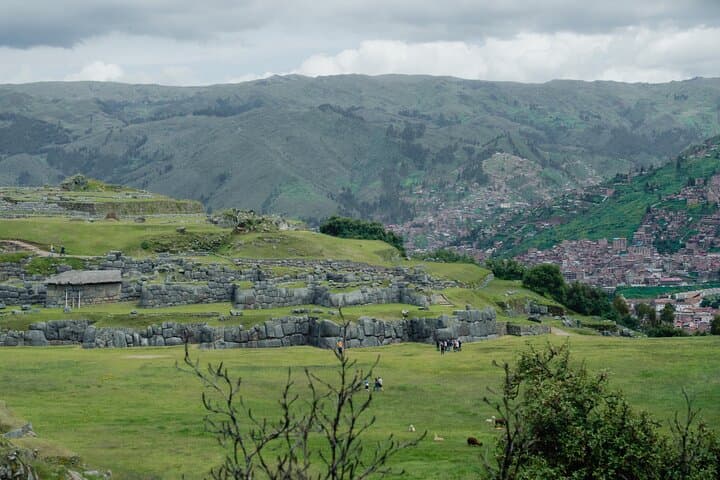
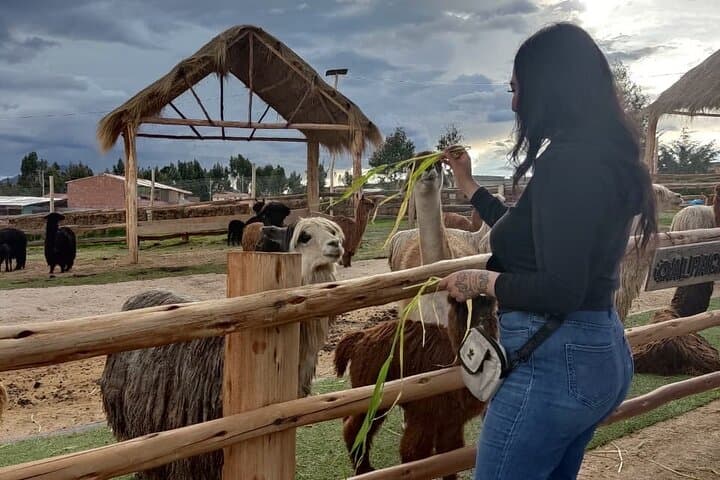
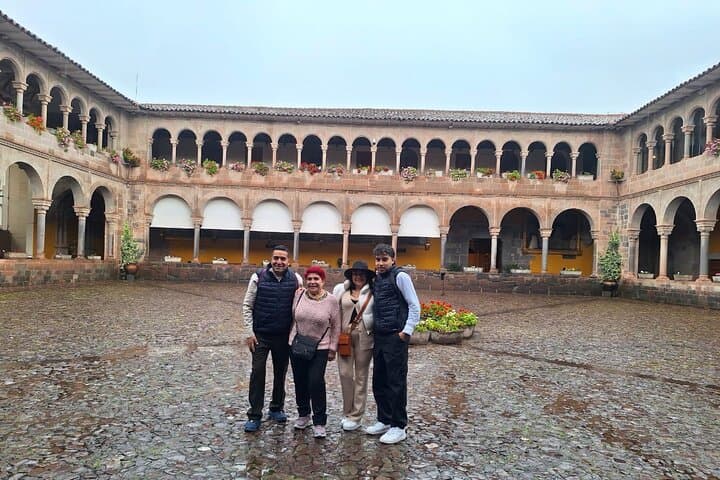
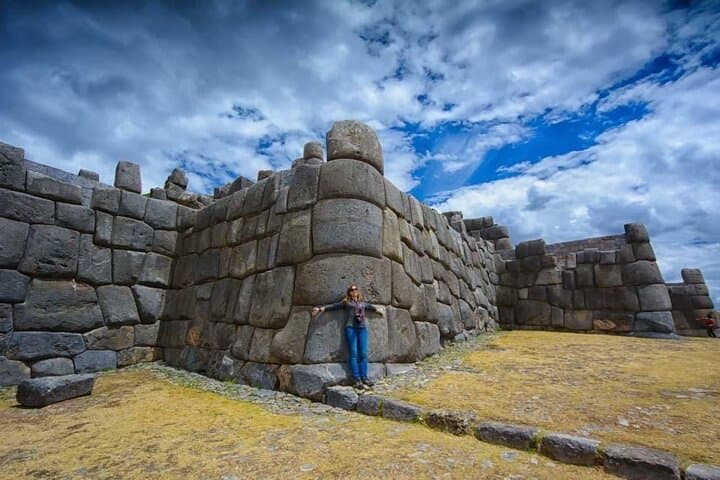
The Plaza de Armas light is thin at 3,400 meters: church bells cut through cool, high-altitude air while the city’s stone streets slope toward narrow alleys. On this half‑day private tour you move between carved Inca masonry and living Andean culture — from the polished walls of Qoricancha to the massive terraces of Sacsayhuamán — finishing with a hands-on encounter with llamas and alpacas at a nearby community sanctuary.
Verified experiences and guided adventures in the surrounding area.
Operated by Machupicchu Explore Ebenezer · Cusco, Cusco
The Plaza de Armas light is thin at 3,400 meters: church bells cut through cool, high-altitude air while the city’s stone streets slope toward narrow alleys. On this half‑day private tour you move between carved Inca masonry and living Andean culture — from the polished walls of Qoricancha to the massive terraces of Sacsayhuamán — finishing with a hands-on encounter with llamas and alpacas at a nearby community sanctuary.
Cusco was the political and spiritual heart of the Inca Empire; Qoricancha once housed gold‑leafed temples aligned to solstices, and Sacsayhuamán’s stones still puzzle engineers with their precise joints. Qenqo’s ceremonial amphitheater and Tambomachay’s water channels speak to an advanced relationship with astronomy and hydraulics. The camelid encounter introduces a domestic side of Andean life: herding, fibre use, and local livelihoods.
Practical notes: this is a private, 4‑hour tour with hotel pickup and moderate walking on uneven cobbles and site stairs. Expect short walks between viewpoints, brief explanatory stops, and community interaction time with the animals. Bring water, sun protection, and a light jacket for sudden weather shifts; mornings are drier, afternoons can bring showers in the rainy season (Nov–Mar). Photography is welcome but have small bills for site fees or donations — many archaeological sites require a separate tourist ticket. The tour is accessible for most fitness levels but not recommended for people with serious back or heart issues. Plan for a short acclimatization period if you arrive from low altitude.
easy.
4 hours.
Suitable for most travelers who can walk on uneven cobbles and climb short sets of stairs; not strenuous but requires basic mobility.
Admissions are often not included; many sites require the regional Boleto Turístico or individual fees — confirm with your operator and carry small local currency.
Yes. The tour includes a community sanctuary visit where you can feed and photograph camelids under guide supervision; avoid feeding without permission.
The operator notes stroller access for infants in prams for some segments, but cobblestones and steps may limit mobility for toddlers; plan accordingly.
Yes — Cusco sits around 3,400 m. Allow at least a short acclimatization period, stay hydrated, move at a steady pace, and consult a doctor if you have respiratory or heart issues.
Cusco was the Inca Empire’s capital; key sites like Qoricancha and Sacsayhuamán were political, ceremonial, and astronomical centers later repurposed by Spanish colonial builders.
Respect animal welfare rules at the sanctuary (no unsupervised feeding or chasing) and support local guides—sustainable visits support community livelihoods and site preservation.
Machupicchu Explore Ebenezer operates guided outdoor trips and adventures with an emphasis on safety, stewardship, and memorable experiences.
The Plaza de Armas light is thin at 3,400 meters: church bells cut through cool, high-altitude air while the city’s stone streets slope toward narrow alleys. On this half‑day private tour you move between carved Inca masonry and living Andean culture — from the polished walls of Qoricancha to the massive terraces of Sacsayhuamán — finishing with a hands-on encounter with llamas and alpacas at a nearby community sanctuary.
The Plaza de Armas light is thin at 3,400 meters: church bells cut through cool, high-altitude air while the city’s stone streets slope toward narrow alleys. On this half‑day private tour you move between carved Inca masonry and living Andean culture — from the polished walls of Qoricancha to the massive terraces of Sacsayhuamán — finishing with a hands-on encounter with llamas and alpacas at a nearby community sanctuary.
Cusco was the political and spiritual heart of the Inca Empire; Qoricancha once housed gold‑leafed temples aligned to solstices, and Sacsayhuamán’s stones still puzzle engineers with their precise joints. Qenqo’s ceremonial amphitheater and Tambomachay’s water channels speak to an advanced relationship with astronomy and hydraulics. The camelid encounter introduces a domestic side of Andean life: herding, fibre use, and local livelihoods.
Practical notes: this is a private, 4‑hour tour with hotel pickup and moderate walking on uneven cobbles and site stairs. Expect short walks between viewpoints, brief explanatory stops, and community interaction time with the animals. Bring water, sun protection, and a light jacket for sudden weather shifts; mornings are drier, afternoons can bring showers in the rainy season (Nov–Mar). Photography is welcome but have small bills for site fees or donations — many archaeological sites require a separate tourist ticket. The tour is accessible for most fitness levels but not recommended for people with serious back or heart issues. Plan for a short acclimatization period if you arrive from low altitude.