THE ADVENTURE COLLECTIVE® · Independent discovery and booking for outdoor travel

Spend a private morning exploring Cusco’s Inca foundations and colonial heart—Koricancha, Sacsayhuamán and the artisan streets of San Blas—on a guided 5–6 hour circuit. Learn the city’s layered history while getting practical tips for altitude and terrain.
Spend a private morning exploring Cusco’s Inca foundations and colonial heart—Koricancha, Sacsayhuamán and the artisan streets of San Blas—on a guided 5–6 hour circuit. Learn the city’s layered history while getting practical tips for altitude and terrain.
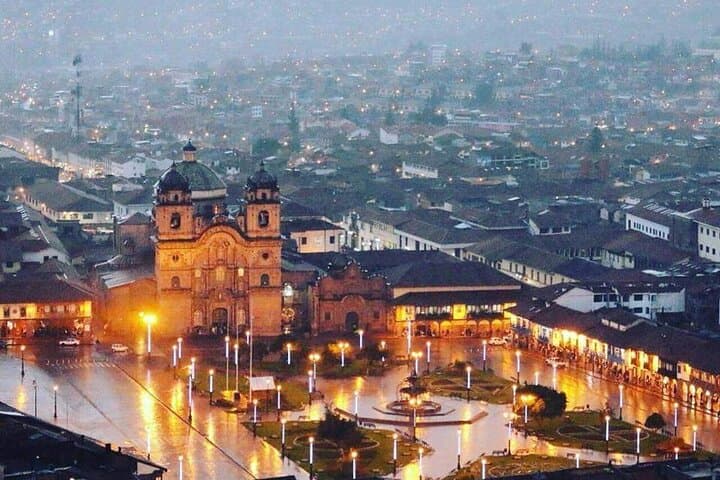
The minivan eases away from a narrow Cusco street and the city unfolds: steep, cobbled lanes of San Blas climbing past wood-carved doorways, the plaza’s colonial bells answering the crisp highland air, and terraces of stone stacked like a measured challenge on the hill above.
Verified experiences and guided adventures in the surrounding area.
Operated by LIBERTREK PERU TRAVEL · Cusco, Cusco Region
The minivan eases away from a narrow Cusco street and the city unfolds: steep, cobbled lanes of San Blas climbing past wood-carved doorways, the plaza’s colonial bells answering the crisp highland air, and terraces of stone stacked like a measured challenge on the hill above.
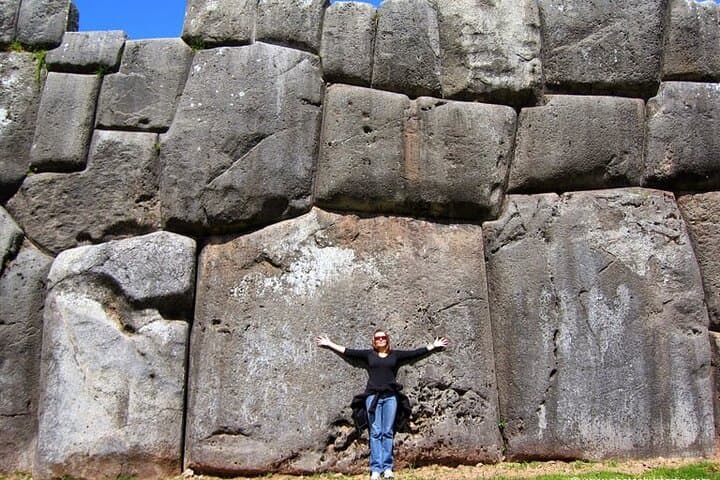
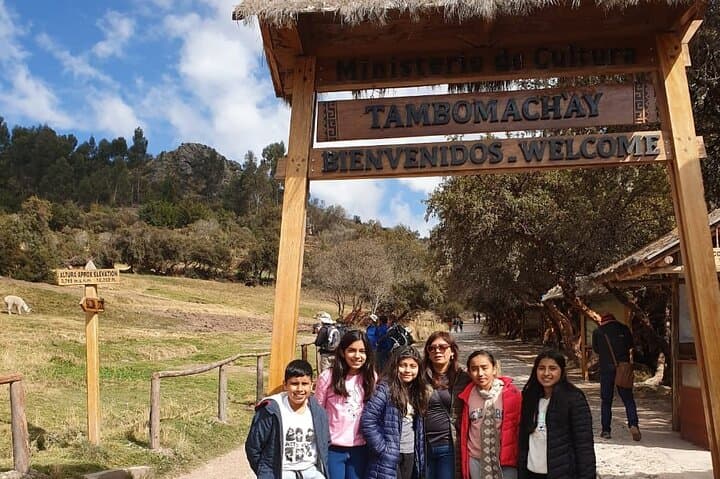
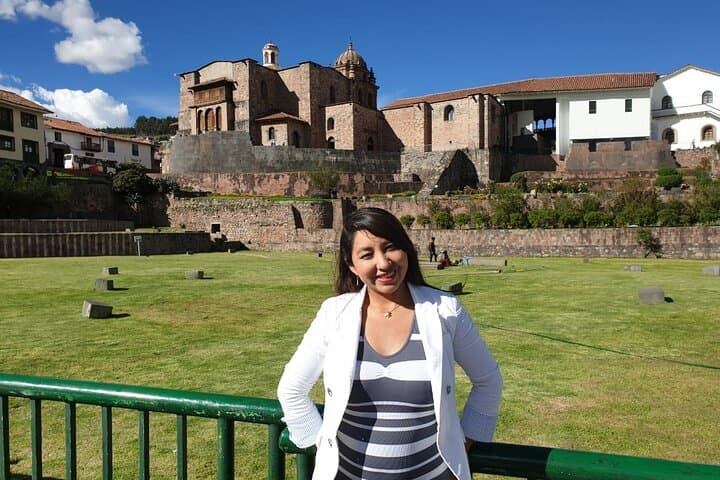
This private six-hour route threads the layers of Cusco’s identity. Koricancha, once the Temple of the Sun, still holds a quiet claim to the city’s sacred center beneath the Convent of Santo Domingo. Sacsayhuamán’s enormous fitted stones speak to Inca engineering and the regional geology shaped by Andean uplift; from its ramparts the city grid below reads like a living map of Spanish overlay on an Inca plan. The Cathedral on Plaza de Armas collects colonial silverwork and the Lord of the Earthquakes, while smaller sites—Qenqo, Puka Pukara, Tambomachay—reveal ritual spaces, military waystations and hydraulics that made water a form of power.
Cultural notes: artisans in San Blas work with wood and textiles tied to Andean cosmology; Mercado San Pedro gives a raw, local counterpoint to polished plazas. Practical guidance follows: start early to avoid afternoon clouds, pace yourself for 3,300–3,400 m altitude, and expect uneven cobbles and short uphill walks. Bring layered clothing, sun protection and small bills for markets and tips; your private guide handles admissions and hotel pickup. The itinerary suits travelers wanting concentrated history, clear photographic vantage points and a compact introduction to both Inca stonecraft and colonial Cusco—delivered with flexibility and local context.
moderate.
5–6 hours.
Moderate fitness: able to walk on uneven cobbles and short steep sections at high altitude for several hours.
Typical tour runs about 5–6 hours and commonly begins around 09:00 with hotel pickup; finish time is roughly 14:00.
Some sites have cobbled streets and steps; the operator notes wheelchair accessibility for parts of the route, but check specific stop accessibility with the guide in advance.
Yes—entrance fees and private transport are included and the guide manages admissions and local commentary throughout the itinerary.
Yes—Cusco sits above 3,300 m; take time to acclimatize, avoid heavy alcohol before touring, drink water, and carry medication if recommended by your doctor.
Cusco was the political and ceremonial heart of the Inca Empire; Spanish colonial planners built plazas and cathedrals atop Inca foundations, creating the layered streets you’ll walk today.
Historic sites are sensitive to foot traffic—stick to designated paths, avoid touching carved stone, and support local guides and vendors to benefit community conservation.
LIBERTREK PERU TRAVEL operates guided outdoor trips and adventures with an emphasis on safety, stewardship, and memorable experiences.
The minivan eases away from a narrow Cusco street and the city unfolds: steep, cobbled lanes of San Blas climbing past wood-carved doorways, the plaza’s colonial bells answering the crisp highland air, and terraces of stone stacked like a measured challenge on the hill above.
The minivan eases away from a narrow Cusco street and the city unfolds: steep, cobbled lanes of San Blas climbing past wood-carved doorways, the plaza’s colonial bells answering the crisp highland air, and terraces of stone stacked like a measured challenge on the hill above.
This private six-hour route threads the layers of Cusco’s identity. Koricancha, once the Temple of the Sun, still holds a quiet claim to the city’s sacred center beneath the Convent of Santo Domingo. Sacsayhuamán’s enormous fitted stones speak to Inca engineering and the regional geology shaped by Andean uplift; from its ramparts the city grid below reads like a living map of Spanish overlay on an Inca plan. The Cathedral on Plaza de Armas collects colonial silverwork and the Lord of the Earthquakes, while smaller sites—Qenqo, Puka Pukara, Tambomachay—reveal ritual spaces, military waystations and hydraulics that made water a form of power.
Cultural notes: artisans in San Blas work with wood and textiles tied to Andean cosmology; Mercado San Pedro gives a raw, local counterpoint to polished plazas. Practical guidance follows: start early to avoid afternoon clouds, pace yourself for 3,300–3,400 m altitude, and expect uneven cobbles and short uphill walks. Bring layered clothing, sun protection and small bills for markets and tips; your private guide handles admissions and hotel pickup. The itinerary suits travelers wanting concentrated history, clear photographic vantage points and a compact introduction to both Inca stonecraft and colonial Cusco—delivered with flexibility and local context.