THE ADVENTURE COLLECTIVE® · Independent discovery and booking for outdoor travel

A half-day loop from Cusco to San Pedro market and the Inca sites of Q’enqo and Sacsayhuamán, this small-group tour combines lively local markets with close-up archaeology and manageable walks at high altitude.
A half-day loop from Cusco to San Pedro market and the Inca sites of Q’enqo and Sacsayhuamán, this small-group tour combines lively local markets with close-up archaeology and manageable walks at high altitude.
Morning light spills across Cusco’s high plaza as a small group gathers at the cathedral corner—voices, vendors and steaming juice carts setting the tempo. The tour begins in the San Pedro market, where colors and aromas pull you through aisles of tubers, textiles and ritual herbs; it’s a practical primer on Andean daily life before the ruins.
Verified experiences and guided adventures in the surrounding area.
Operated by Andes Peru Tour & Adventure · Cusco, Cusco Region
Morning light spills across Cusco’s high plaza as a small group gathers at the cathedral corner—voices, vendors and steaming juice carts setting the tempo. The tour begins in the San Pedro market, where colors and aromas pull you through aisles of tubers, textiles and ritual herbs; it’s a practical primer on Andean daily life before the ruins.
From the city the van climbs past stone terraces to Q’enqo, an Inca ceremonial complex carved from the living rock. The guide draws connections between the carvings and old rituals while wind tugs at the high puna grass, as if the land itself is testing your attention. A short walk brings you to the Cristo Blanco overlook; here a picnic stretches into a moment to scan Cusco’s bowl-like valley.
Sacsayhuamán dominates next—massive fitted stones and sweeping ramparts that once guarded the capital. Standing beside 128–200 tonne boulders, the scale of Inca engineering is immediate and tactile. The return stroll descends cobbled Inca streets through San Blas’s artisan quarter and back to Plaza de Armas, a half-hour walk that softens the day’s elevation change.
Expect high-altitude conditions between 3,400–3,700 m: air is thin, sun is sharp and weather can flip quickly. Practical tips: hydrate before you go, pace uphill, wear sturdy footwear for uneven stone, and pack a light rain layer. The tour pairs cultural context with walkable stretches—ideal for travelers wanting local markets, close-up archaeology, and a digestible introduction to Cusco’s layered history.
moderate.
5 hours.
Sensible for most reasonably fit travelers who can walk short uphill stretches at altitude; allow for slower pace.
Entrance to the sites may require the Cusco Tourist Ticket (Boleto Turístico); check with the operator—some tours include it while others ask you to purchase it separately.
Sites range from about 3,400 to 3,700 m; mild altitude symptoms are common—rest, hydrate, and avoid heavy exertion if you feel unwell.
The meeting point is at the corner of the cathedral and Paddy’s Pub in Plaza de Armas, and the tour returns to Plaza de Armas after the walk through San Blas.
Yes—San Pedro offers snacks, fresh juices and local specialties; it’s ideal for tasting small bites or buying picnic items.
Cusco was the political and spiritual center of the Inca Empire; Sacsayhuamán served ceremonial and military purposes, while Q’enqo hosted rituals linked to cosmology and ancestor veneration.
Visitor foot traffic is managed to protect fragile stone and archaeological layers; stick to marked paths and avoid touching carved surfaces to reduce erosion.
Andes Peru Tour & Adventure operates guided outdoor trips and adventures with an emphasis on safety, stewardship, and memorable experiences.
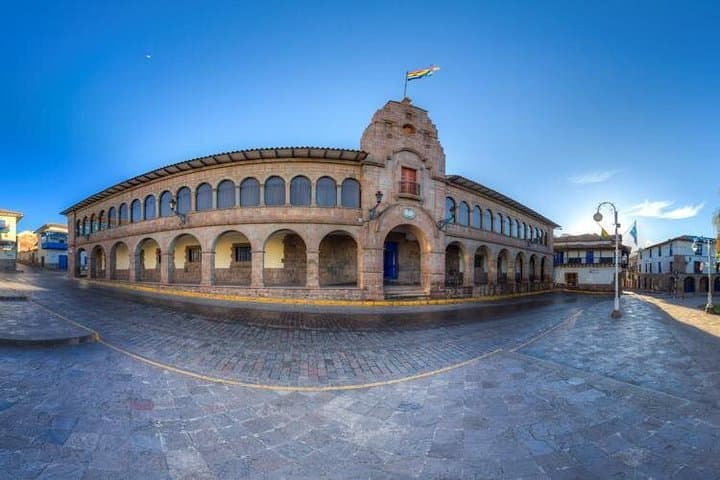
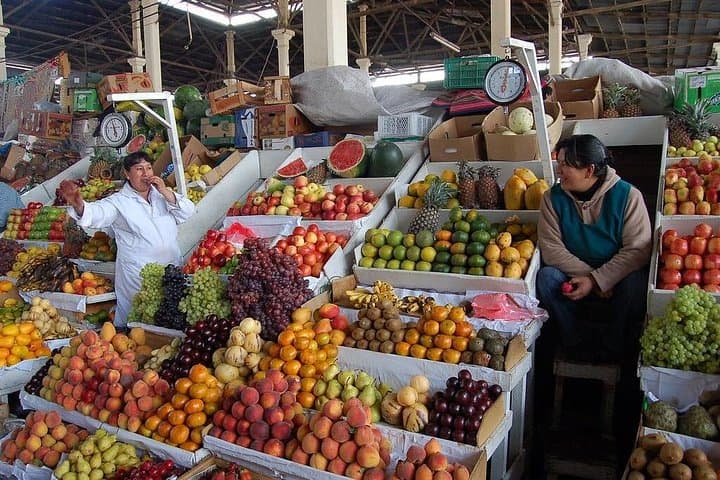
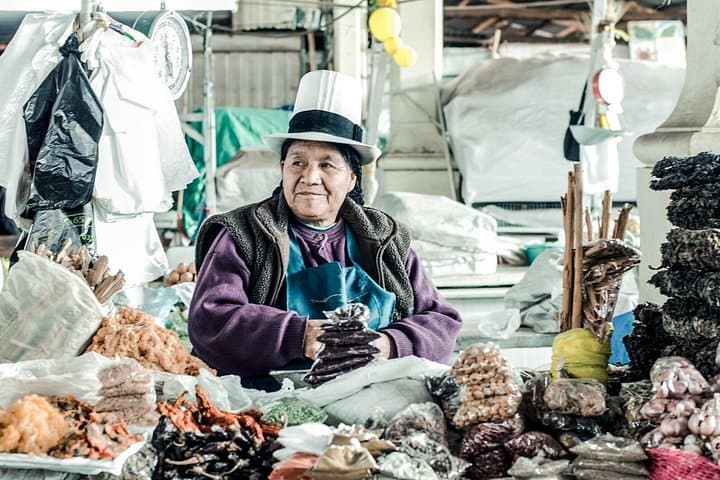
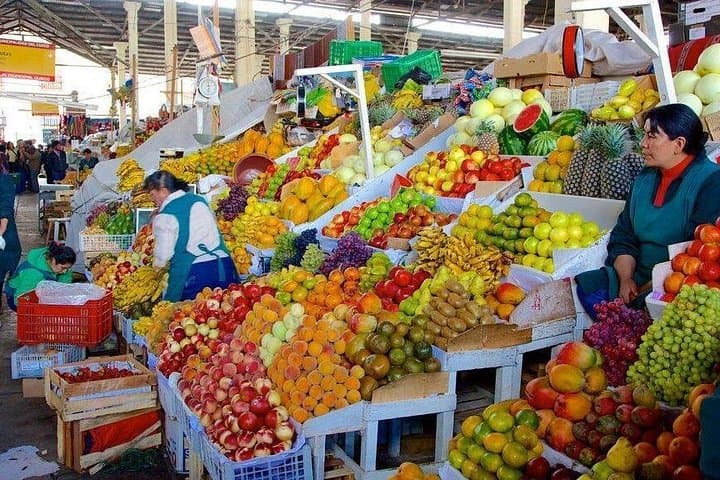
Morning light spills across Cusco’s high plaza as a small group gathers at the cathedral corner—voices, vendors and steaming juice carts setting the tempo. The tour begins in the San Pedro market, where colors and aromas pull you through aisles of tubers, textiles and ritual herbs; it’s a practical primer on Andean daily life before the ruins.
Morning light spills across Cusco’s high plaza as a small group gathers at the cathedral corner—voices, vendors and steaming juice carts setting the tempo. The tour begins in the San Pedro market, where colors and aromas pull you through aisles of tubers, textiles and ritual herbs; it’s a practical primer on Andean daily life before the ruins.
From the city the van climbs past stone terraces to Q’enqo, an Inca ceremonial complex carved from the living rock. The guide draws connections between the carvings and old rituals while wind tugs at the high puna grass, as if the land itself is testing your attention. A short walk brings you to the Cristo Blanco overlook; here a picnic stretches into a moment to scan Cusco’s bowl-like valley.
Sacsayhuamán dominates next—massive fitted stones and sweeping ramparts that once guarded the capital. Standing beside 128–200 tonne boulders, the scale of Inca engineering is immediate and tactile. The return stroll descends cobbled Inca streets through San Blas’s artisan quarter and back to Plaza de Armas, a half-hour walk that softens the day’s elevation change.
Expect high-altitude conditions between 3,400–3,700 m: air is thin, sun is sharp and weather can flip quickly. Practical tips: hydrate before you go, pace uphill, wear sturdy footwear for uneven stone, and pack a light rain layer. The tour pairs cultural context with walkable stretches—ideal for travelers wanting local markets, close-up archaeology, and a digestible introduction to Cusco’s layered history.