THE ADVENTURE COLLECTIVE® · Independent discovery and booking for outdoor travel

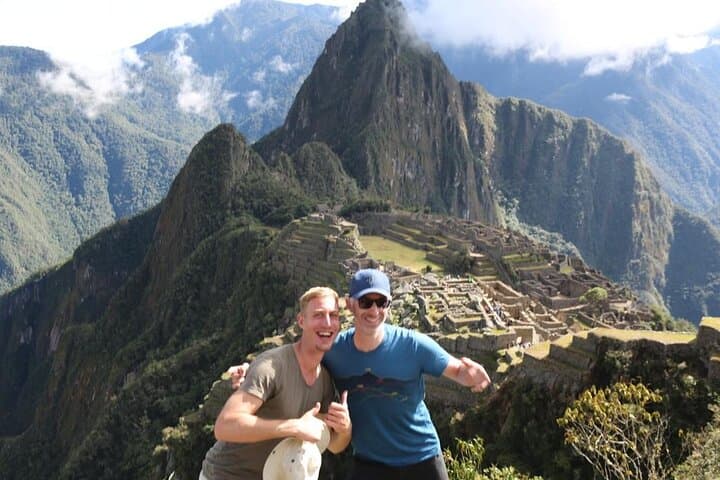
A six-day loop from Patabamba through Huchuy Qosqo to Machu Picchu, mixing accessible trekking, three homestays and visits to iconic archaeological sites. Expect high-elevation passes, restored Inca trails, and immersive cultural exchanges in the Sacred Valley.
A six-day loop from Patabamba through Huchuy Qosqo to Machu Picchu, mixing accessible trekking, three homestays and visits to iconic archaeological sites. Expect high-elevation passes, restored Inca trails, and immersive cultural exchanges in the Sacred Valley.
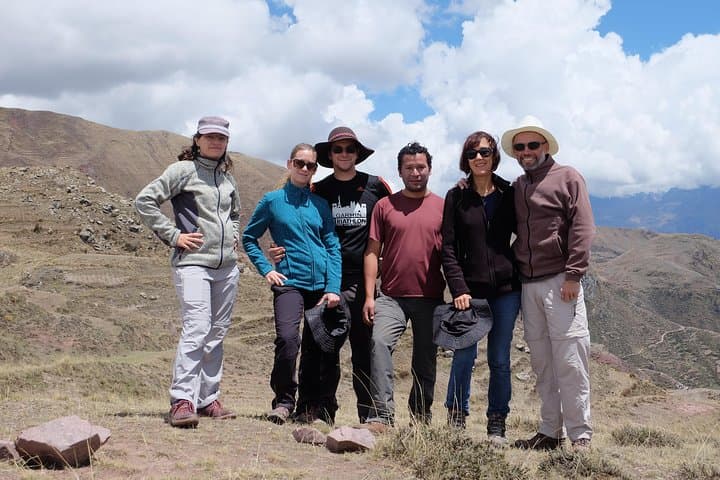
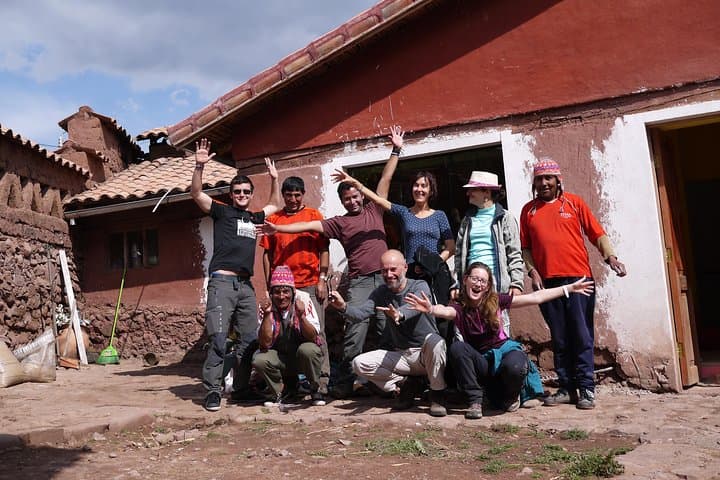
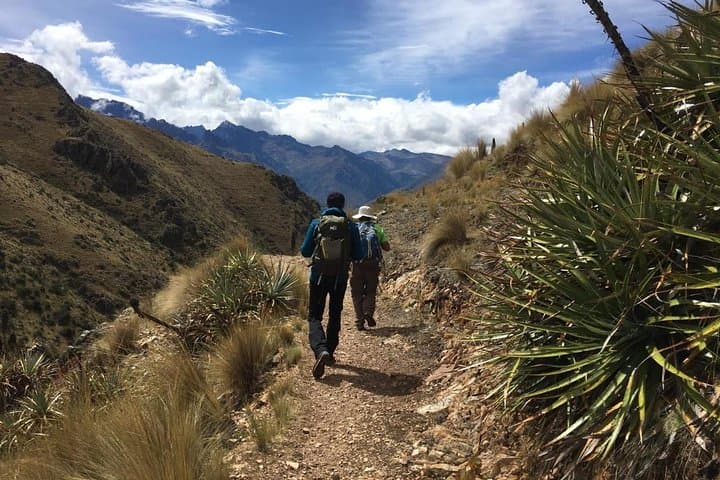
Dawn breaks over Cusco and the city exhales a cool, highland air that follows you up switchbacks toward Pukamarca and the ridgelines of the Urubamba. On this six-day loop the landscape does the navigating: dry stone terraces cling to steep slopes, the Urubamba River threads the valley below, and salt-plain rims at Maras glitter like worked metal. You start near Patabamba, walk ancient Inca trails, and finish inside the Sacred Valley, with three nights spent in local homestays that bring the region’s living culture into sharp relief.
Verified experiences and guided adventures in the surrounding area.
Operated by Terres des Incas · Cusco, Cusco
Dawn breaks over Cusco and the city exhales a cool, highland air that follows you up switchbacks toward Pukamarca and the ridgelines of the Urubamba. On this six-day loop the landscape does the navigating: dry stone terraces cling to steep slopes, the Urubamba River threads the valley below, and salt-plain rims at Maras glitter like worked metal. You start near Patabamba, walk ancient Inca trails, and finish inside the Sacred Valley, with three nights spent in local homestays that bring the region’s living culture into sharp relief.
The route intersects key Inca ingenuity — Saqsayhuamán’s massive masonry, Moray’s concentric agricultural bowls, and the pre-Inca Maras salt pans — each site a practical answer to life at altitude. Geologically, the area is carved by Andean uplift and glacial sculpting; soils and microclimates shaped the Incas’ experimental terraces. Expect shepherds, herds of llamas and alpacas, and small mountain hamlets where Quechua traditions remain strong.
Practically, days are moderate in length but include sustained altitude gain to passes around 3,900–4,418 m; paced hiking and pre-trip acclimatization are essential. Trails vary from restored Inca stonework to narrow dirt tracks and occasional steep descents toward canyon floors. Pack layered clothing, sturdy boots with good traction, water treatment or a 2L+ hydration system, and a small first-aid kit. Start early to take advantage of morning light at Machu Picchu and aim to be at higher elevations mid-morning, when weather tends to be most stable.
This itinerary pairs cultural immersion with accessible trekking—less a race than a paced encounter with Andean landscapes and living heritage.
moderate.
6 days.
Moderately fit: able to hike 4–7 hours a day with sustained uphill sections at high altitude; basic stamina and good cardiovascular health recommended.
Yes — the itinerary is designed to be accessible, with moderate daily distances, but altitude and sustained elevation gain make acclimatization and a basic fitness level important.
Homestays are family-run and typically involve private or shared rooms depending on availability; they offer meals and cultural exchange rather than hotel amenities.
Yes — Aguas Calientes and Machu Picchu have limits on large backpacks; travel light on the Machu Picchu day and use lockers in Aguas Calientes if available.
Yes, but these hikes require separate permits and have limited slots; book well in advance if you plan to add either ascent.
Cusco was the political and spiritual center of the Inca Empire; nearby sites like Moray and Maras record agricultural and pre-Inca practices that sustained highland communities for centuries.
Trails are fragile at high altitude; stick to established paths, minimize single-use plastics, and support local homestays and community-run initiatives to keep tourism benefits local.
Terres des Incas operates guided outdoor trips and adventures with an emphasis on safety, stewardship, and memorable experiences.
Dawn breaks over Cusco and the city exhales a cool, highland air that follows you up switchbacks toward Pukamarca and the ridgelines of the Urubamba. On this six-day loop the landscape does the navigating: dry stone terraces cling to steep slopes, the Urubamba River threads the valley below, and salt-plain rims at Maras glitter like worked metal. You start near Patabamba, walk ancient Inca trails, and finish inside the Sacred Valley, with three nights spent in local homestays that bring the region’s living culture into sharp relief.
Dawn breaks over Cusco and the city exhales a cool, highland air that follows you up switchbacks toward Pukamarca and the ridgelines of the Urubamba. On this six-day loop the landscape does the navigating: dry stone terraces cling to steep slopes, the Urubamba River threads the valley below, and salt-plain rims at Maras glitter like worked metal. You start near Patabamba, walk ancient Inca trails, and finish inside the Sacred Valley, with three nights spent in local homestays that bring the region’s living culture into sharp relief.
The route intersects key Inca ingenuity — Saqsayhuamán’s massive masonry, Moray’s concentric agricultural bowls, and the pre-Inca Maras salt pans — each site a practical answer to life at altitude. Geologically, the area is carved by Andean uplift and glacial sculpting; soils and microclimates shaped the Incas’ experimental terraces. Expect shepherds, herds of llamas and alpacas, and small mountain hamlets where Quechua traditions remain strong.
Practically, days are moderate in length but include sustained altitude gain to passes around 3,900–4,418 m; paced hiking and pre-trip acclimatization are essential. Trails vary from restored Inca stonework to narrow dirt tracks and occasional steep descents toward canyon floors. Pack layered clothing, sturdy boots with good traction, water treatment or a 2L+ hydration system, and a small first-aid kit. Start early to take advantage of morning light at Machu Picchu and aim to be at higher elevations mid-morning, when weather tends to be most stable.
This itinerary pairs cultural immersion with accessible trekking—less a race than a paced encounter with Andean landscapes and living heritage.