THE ADVENTURE COLLECTIVE® · Independent discovery and booking for outdoor travel

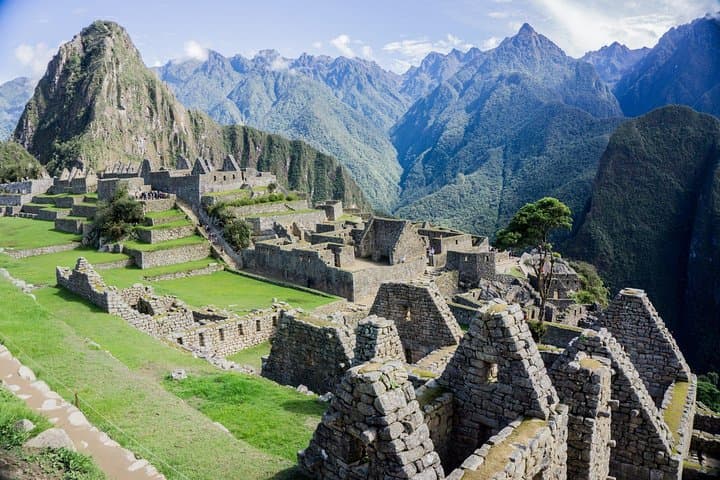
This seven-day private Cusco circuit links the city’s archaeological core with the Sacred Valley, Humantay Lake and Rainbow Mountain, finishing at Machu Picchu. Expect high-elevation day hikes, early departures, private transfers and included train tickets.
This seven-day private Cusco circuit links the city’s archaeological core with the Sacred Valley, Humantay Lake and Rainbow Mountain, finishing at Machu Picchu. Expect high-elevation day hikes, early departures, private transfers and included train tickets.
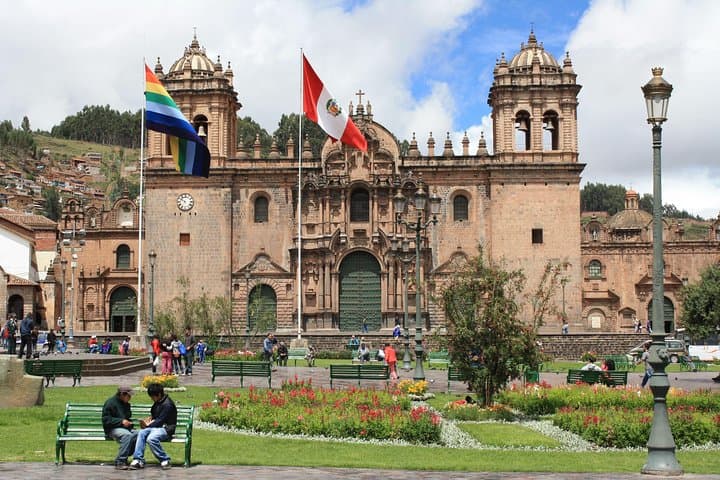
Dawn at Cusco arrives thin and bright; stone streets exhale cool air and the city’s red-tiled roofs glint against the surrounding Andes. Over seven days, travelers move from colonial plazas to high-altitude scree, trading the bustle of San Blas for the hush of glacier-fed lakes and the terraces of the Sacred Valley.
Verified experiences and guided adventures in the surrounding area.
Operated by MachuPicchu Journey · Cusco, Cusco
Dawn at Cusco arrives thin and bright; stone streets exhale cool air and the city’s red-tiled roofs glint against the surrounding Andes. Over seven days, travelers move from colonial plazas to high-altitude scree, trading the bustle of San Blas for the hush of glacier-fed lakes and the terraces of the Sacred Valley.
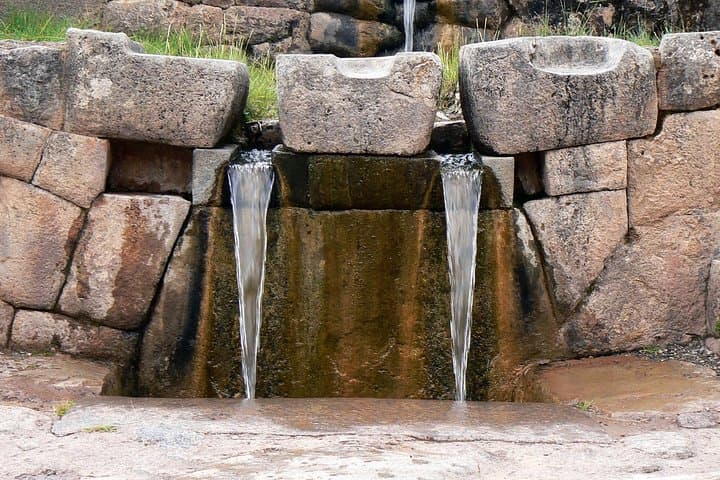
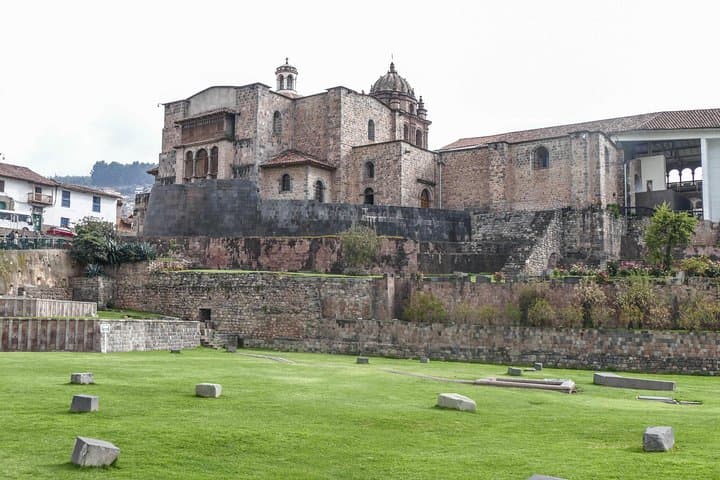
The itinerary threads together Inca engineering and Andean life: Koricancha’s sun-worshipped walls, the fortified terraces of Ollantaytambo, and the carefully reconstructed Q’eswachaka rope bridge on the Apurímac. Geology is visible at every turn—steep river canyons cut through volcanic and sedimentary layers, while mineral-rich soils paint Vinicunca’s slopes in stripes of ochre, rust and mint.
Local culture remains active and present; Quechua-speaking communities maintain traditional textiles and seasonal rituals, and markets in Pisac and Ollantaytambo sell crafts alongside highland produce. Conservation rules limit daily entries to Machu Picchu and require staying on designated paths to protect fragile soils and lichens.
Practical guidance: acclimatize in Cusco for at least 24–48 hours before high-altitude hikes, carry water and electrolytes, and wear stiff-soled boots for steep, rocky terrain. Expect early starts, long travel legs by private vehicle and two moderate-to-steep day hikes (Humantay: ~1.5 hrs one way at 4,250 m; Vinicunca: ~1.5–2 hrs one way at 5,100 m elevation gain variable). Trains to Aguas Calientes are included; Machu Picchu visits are guided then free time for self-exploration. Pace your days, respect community customs at Q’eswachaka, and budget for tip and optional oxygen if you feel short of breath—altitude dictates the rhythm of the trip.
challenging.
7 days.
Participants should be in good cardiovascular shape, comfortable walking 2–4 hours on steep or rocky trails at high altitude.
Yes—this package includes train tickets to Aguas Calientes and entrance to Machu Picchu, though exact visit times depend on availability confirmed at booking.
Both are steep and short-to-moderate duration: Humantay is roughly 1.5 hours one-way at 4,250 m; Rainbow Mountain is around 1.5–2 hours one-way with higher elevation, so pace yourself and use provided walking sticks.
Acclimatization is essential—rest on arrival, avoid alcohol, hydrate, and ask the guide about oxygen assistance included in the tour if symptoms develop.
Accommodations are 3-star hotels in Cusco and Aguas Calientes as specified; exact properties are provided at booking and transfers are included.
The itinerary traces Inca administrative and ritual landscapes: the Sacred Valley was a food-producing backbone and Machu Picchu is thought to be an elite estate or religious center from the 15th century.
Machupicchu enforces daily visitor limits and defined routes; at Q’eswachaka, local communities annually rebuild the rope bridge—visitors should respect cultural protocols and stick to marked paths to minimize erosion.
MachuPicchu Journey operates guided outdoor trips and adventures with an emphasis on safety, stewardship, and memorable experiences.
Dawn at Cusco arrives thin and bright; stone streets exhale cool air and the city’s red-tiled roofs glint against the surrounding Andes. Over seven days, travelers move from colonial plazas to high-altitude scree, trading the bustle of San Blas for the hush of glacier-fed lakes and the terraces of the Sacred Valley.
Dawn at Cusco arrives thin and bright; stone streets exhale cool air and the city’s red-tiled roofs glint against the surrounding Andes. Over seven days, travelers move from colonial plazas to high-altitude scree, trading the bustle of San Blas for the hush of glacier-fed lakes and the terraces of the Sacred Valley.
The itinerary threads together Inca engineering and Andean life: Koricancha’s sun-worshipped walls, the fortified terraces of Ollantaytambo, and the carefully reconstructed Q’eswachaka rope bridge on the Apurímac. Geology is visible at every turn—steep river canyons cut through volcanic and sedimentary layers, while mineral-rich soils paint Vinicunca’s slopes in stripes of ochre, rust and mint.
Local culture remains active and present; Quechua-speaking communities maintain traditional textiles and seasonal rituals, and markets in Pisac and Ollantaytambo sell crafts alongside highland produce. Conservation rules limit daily entries to Machu Picchu and require staying on designated paths to protect fragile soils and lichens.
Practical guidance: acclimatize in Cusco for at least 24–48 hours before high-altitude hikes, carry water and electrolytes, and wear stiff-soled boots for steep, rocky terrain. Expect early starts, long travel legs by private vehicle and two moderate-to-steep day hikes (Humantay: ~1.5 hrs one way at 4,250 m; Vinicunca: ~1.5–2 hrs one way at 5,100 m elevation gain variable). Trains to Aguas Calientes are included; Machu Picchu visits are guided then free time for self-exploration. Pace your days, respect community customs at Q’eswachaka, and budget for tip and optional oxygen if you feel short of breath—altitude dictates the rhythm of the trip.